
Can Low Vitamin B12 Affect Memory? B12, Folate, B6 and Nutrition Care for Older Adults
- B12, folate and B6 work together to recycle homocysteine, which is linked to brain health.
- Older adults absorb less B12 because of lower stomach acid and medicines such as metformin.
- Correcting a deficiency matters, but supplements have not reliably prevented dementia in people with normal levels.
Contents
Vitamin B12, folate and vitamin B6 work together to break down homocysteine, and low B12 in older adults can cause memory problems, tingling hands and feet, low mood and anaemia that are sometimes mistaken for normal ageing. Correcting a real deficiency matters, but the evidence that B vitamin supplements prevent dementia in people with normal levels is mixed. This guide sorts the biology, the warning signs, the food sources and the strength of the evidence, with the UK and US rules and guidance that nursing and nutrition students are expected to know.
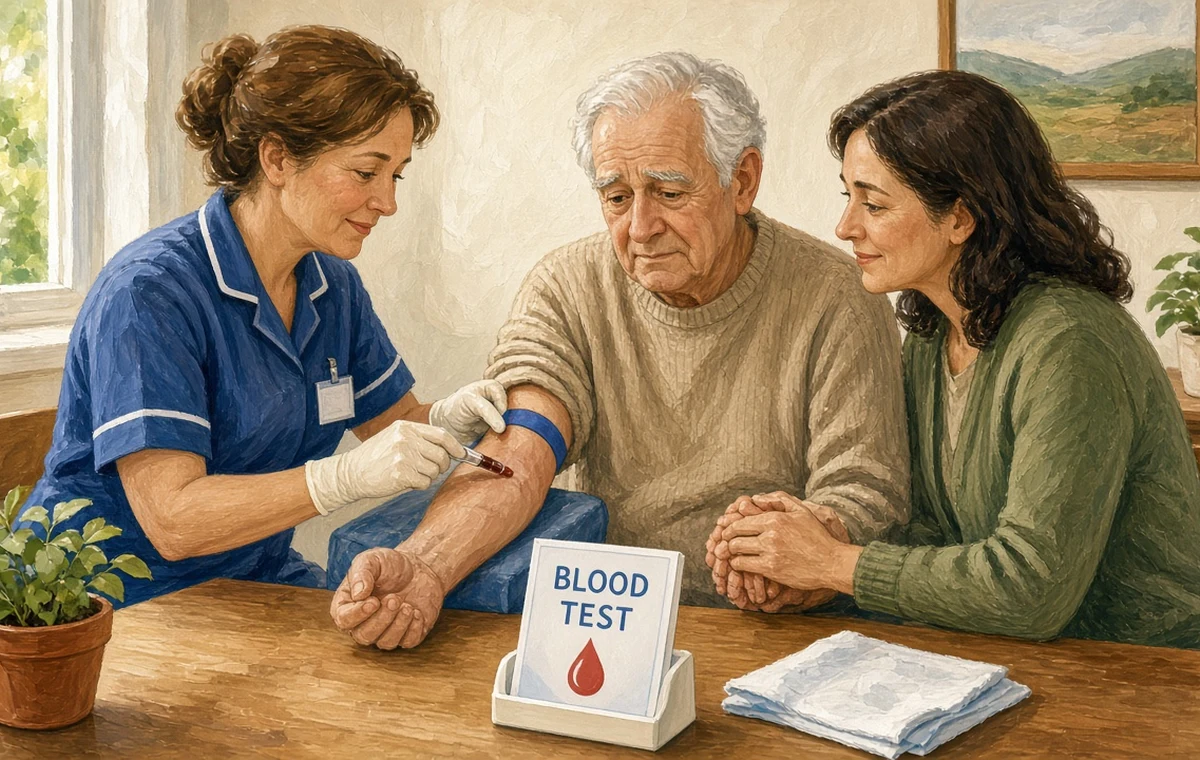
The original Korean study note was written for a gerontological nursing class. We have kept its structure but rewritten it for readers in Britain and America, adding NICE and MHRA guidance, US dietary recommendations and the very different folic acid fortification stories on each side of the Atlantic.
What do the B vitamins actually do?
"Vitamin B" is really a family of eight water-soluble vitamins. Most of them act as coenzymes, helping enzymes turn carbohydrate, fat and protein into usable energy. Because they dissolve in water, the body generally does not store large amounts, with one big exception: the liver can hold several years' worth of B12, which is why a deficiency often develops slowly and quietly.
Student money tip from CampusDown Life UpHow to Find Unclaimed Money in Your Name — How to find unclaimed money in your name for free: official state databases via NAUPA and MissingMoney.com, federal searches like Treasury…
For the brain and nerves, three members matter most: B6, B12 and folate. Together they support methylation reactions, red blood cell production and the myelin sheath that insulates nerve fibres. Our wiki page on vitamin B12 explains its structure and absorption in more depth.
| Vitamin | Main roles | Good food sources | Who is at risk of low intake |
|---|---|---|---|
| B12 (cobalamin) | Homocysteine recycling, red cells, myelin | Meat, fish, shellfish, eggs, milk, fortified cereals | Older adults, vegans, people on metformin or long-term acid suppressants |
| Folate (B9) | DNA synthesis, homocysteine recycling | Leafy greens, beans, lentils, fortified bread and cereals | People with poor diets, heavy alcohol use |
| B6 (pyridoxine) | Amino acid metabolism, neurotransmitters | Fish, poultry, potatoes, bananas, wholegrains | Some older adults, people with kidney disease |
Students often memorise these three as a team, and that is a good instinct, because the next section shows they share one metabolic job.

How are homocysteine and memory connected?
Homocysteine is a by-product of methionine metabolism. With the help of B12 and folate it is recycled back to methionine, and with B6 it is converted to cysteine. When any of these vitamins runs short, homocysteine levels in the blood tend to rise.
Many observational studies have linked high homocysteine with cognitive decline and a higher risk of dementia. A well-known Oxford trial, VITACOG, published in 2010, found that high-dose B vitamins slowed brain shrinkage in older people with mild cognitive impairment, especially those with high homocysteine. However, randomised trials of supplements in the general population have not consistently shown that they prevent dementia. The safe reading is to separate two questions: treating a confirmed deficiency is clearly important, while giving supplements to people with normal levels for dementia prevention remains unproven.
In an essay, say plainly that an association is not proof of cause, and name which kind of study supports each claim you make.
Skimming the section headings first makes a long guide much easier to map out. Try writing down one question of your own as you read.
Why is B12 deficiency common in older adults?
B12 has a complicated route into the body. Stomach acid and pepsin release it from food proteins, then it binds intrinsic factor, a protein made by the stomach lining, and is finally absorbed in the last part of the small intestine, the ileum. Atrophic gastritis, which becomes more common with age, reduces stomach acid. Pernicious anaemia, which NICE now describes as autoimmune gastritis, is an autoimmune condition that destroys the cells making intrinsic factor. It blocks absorption almost completely, which is why it is treated with injections in the UK and often with injections or high-dose tablets in the US.
Medicines matter too. Long-term metformin for type 2 diabetes and long-term proton pump inhibitors such as omeprazole can lower B12 absorption. In 2022 the UK's Medicines and Healthcare products Regulatory Agency (MHRA) advised that B12 deficiency is a common side effect of metformin and that levels should be checked in patients with symptoms or risk factors, and the American Diabetes Association's standards of care also recommend periodic B12 checks for people on long-term metformin.
What symptoms should prompt a check?
Classic signs include tiredness and pale skin from megaloblastic anaemia, but neurological symptoms such as pins and needles, numbness, poor balance, memory problems, confusion and low mood can appear even without anaemia. In March 2024 NICE published its first dedicated guideline (NG239) on vitamin B12 deficiency in people over 16, which stresses taking symptoms seriously and not waiting for anaemia before testing. Nerve damage left untreated for a long time may not fully recover, so early recognition matters.
For nursing students, the practical lesson is simple: new numbness or forgetfulness in an older patient deserves a question about diet, medicines and blood tests, not just a shrug about age.
Which foods and fortification policies help?

B12 comes almost entirely from animal foods: meat, fish, shellfish, eggs and dairy, with liver and clams being especially rich. Folate is found in leafy greens, beans and lentils, and B6 in fish, potatoes, bananas and wholegrains. Vegans and some vegetarians need fortified foods or supplements to get enough B12. US guidance suggests adults over 50 get much of their B12 from fortified foods or supplements, because the synthetic form does not depend on stomach acid to be released. The US recommended dietary allowance for adults is 2.4 micrograms a day, while the UK reference nutrient intake is 1.5 micrograms, a difference that reflects how the two systems set their values.
Folic acid fortification shows how policy shapes nutrition. The US has required folic acid in enriched cereal grain products since 1998, mainly to prevent neural tube defects in babies. The UK announced in 2021 that it would add folic acid to non-wholemeal wheat flour, and the requirement comes into force on 13 December 2026, so British readers are living through the switch right now. One reason clinicians watch B12 alongside folate is that high folate intake can correct the anaemia of B12 deficiency while nerve damage continues, which is why testing should guide treatment rather than guesswork.
| Topic | United Kingdom | United States |
|---|---|---|
| Adult B12 reference intake | 1.5 micrograms a day (RNI) | 2.4 micrograms a day (RDA) |
| Clinical guidance | NICE guideline on B12 deficiency (2024) | Professional society and NIH fact sheets |
| Metformin advice | MHRA 2022: check B12 if symptoms or risk factors | ADA standards: periodic B12 monitoring |
| Folic acid fortification | Non-wholemeal wheat flour from 13 December 2026 | Enriched grain products since 1998 |
How do nurses assess an older person's nutrition?
A good assessment asks about the number of meals, protein intake, teeth, dentures and swallowing, medicines, alcohol and recent weight change. Tools such as the Mini Nutritional Assessment (MNA), and in the UK the Malnutrition Universal Screening Tool (MUST) developed by BAPEN, help structure that conversation. In care homes and home care, nurses also check whether meal support, community meals or help with shopping is in place, and they work with GPs and dietitians when blood tests show a problem.
Student money tip on CampusDown Life Up: How to Find Unclaimed Money in Your Name.
Above all, the role is to look for correctable causes before accepting decline. Numbness, new forgetfulness or unsteadiness should prompt a look at diet, medicines and blood results. Our wiki entry on folate is a useful companion when you explain why folate and B12 should be interpreted together.
Finding the clue that protects someone's memory at the breakfast table is a fitting closing thought for any presentation on nutrition in later life.
Compiled by the CampusDown editorial team from a Korean gerontological nursing study note, with UK and US context from NICE, the MHRA, the NIH Office of Dietary Supplements and the FDA. References include Smith, A. D. and Refsum, H. (2016), Homocysteine, B vitamins, and cognitive impairment, Annual Review of Nutrition 36, 211–239. Reviewed November 2026.
FAQ
Where is vitamin B12 found?
Mainly in animal foods such as meat, fish, shellfish, eggs and dairy, plus fortified cereals and supplements.
Do B vitamin supplements prevent dementia?
Correcting a deficiency is important, but trials in people with normal levels have not consistently shown dementia prevention.
Why does metformin matter for B12?
Long-term metformin can reduce B12 absorption, so UK and US guidance advise checking levels, especially if symptoms appear.
What does the 2024 NICE guideline say?
It sets out how to recognise, test for and treat B12 deficiency in over-16s, and stresses that symptoms can occur without anaemia.
Can too much folic acid hide B12 deficiency?
Yes. High folate can correct the anaemia while nerve damage from low B12 continues, so blood tests should guide treatment.