
Why Do Diabetes Complications Happen? Retinopathy, Kidney Disease, Neuropathy, Heart Disease and the Nursing Assessment
- Diabetes raises blood glucose because insulin is missing or does not work properly.
- Years of high glucose damage both small and large blood vessels, which is why complications appear in the eyes, kidneys, nerves and heart.
- A good nursing assessment looks beyond today's glucose reading to vision, feet, kidney function and nutrition.
Contents
Diabetes complications happen because years of high blood glucose slowly damage the small blood vessels of the eyes, kidneys and nerves and speed up hardening of the large arteries that supply the heart, brain and legs. That is why good diabetes care aims at the next ten years, not just today's reading. This guide explains how the damage builds up, how it is screened for in the US and the UK, and what a nurse should check during an assessment.
Ask most people what diabetes means and they will mention blood sugar numbers. Clinicians worry about something quieter: changes that build for years without symptoms and are often well advanced by the time anyone notices.
Why does blood glucose rise in diabetes?
Carbohydrates in food are digested into glucose and absorbed into the blood. To use that glucose, cells need insulin from the beta cells in the islets of Langerhans in the pancreas. When insulin is lacking, as in type 1 diabetes, or cells respond to it poorly, as in most type 2 diabetes, glucose builds up in the blood and spills into the urine. The full name diabetes mellitus refers to exactly that: the Latin mellitus means honey-sweet, a nod to the sweet-tasting urine early physicians described. For the basics, see the wiki entry on diabetes.
Student money tip from CampusDown Repair UpIs a Small Leak Worth a Renters Insurance Claim? My Decision Checklist
When high glucose persists for years, it changes the lining of blood vessels and the nerves themselves. Managing diabetes is therefore about protecting organs years from now as much as hitting a target this morning.

How are the complications grouped?
| Type | Complication | Main problems |
|---|---|---|
| Microvascular | Diabetic retinopathy | Blurred vision, risk of sight loss |
| Microvascular | Diabetic kidney disease | Protein in the urine, chronic kidney disease, dialysis |
| Microvascular | Diabetic neuropathy | Numb or tingling feet, unnoticed injuries |
| Macrovascular | Coronary heart disease and stroke | Heart attack, cerebrovascular disease |
| Macrovascular | Peripheral arterial disease | Reduced blood flow to the legs, ulcers |
Small-vessel damage tracks closely with glucose control. Large-vessel disease is driven just as much by blood pressure, cholesterol and smoking, so treating all of those risk factors together gives the biggest protection. In the US, diabetes is the leading cause of kidney failure, which is why the ADA recommends checking urine albumin and kidney function at least once a year.
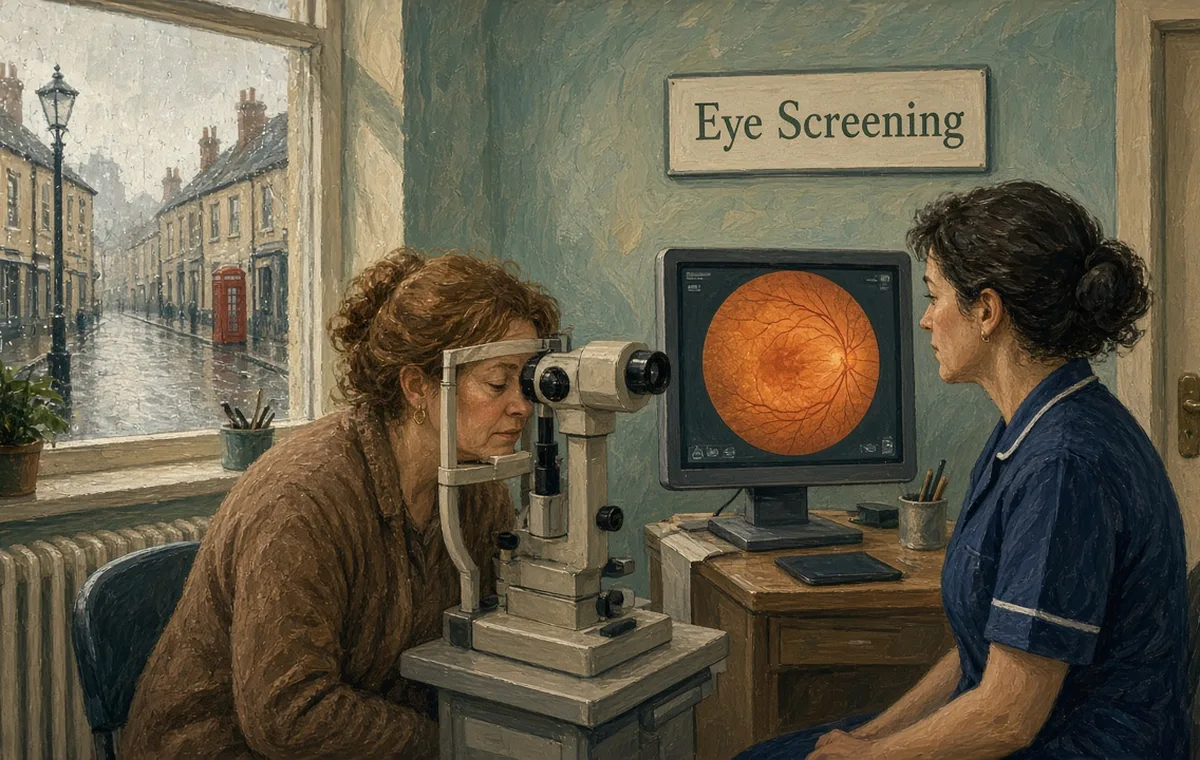
In England, the NHS Diabetic Eye Screening Programme invites everyone with diabetes aged 12 and over for retinal photographs, because early retinopathy has no symptoms. In the US, the ADA Standards of Care recommend a dilated eye exam at diagnosis of type 2 diabetes and then every one to two years if the eyes are healthy.
Skimming the section headings first makes a long guide much easier to map out. Try writing down one question of your own as you read.
How are acute complications different?
Hypoglycaemia and diabetic ketoacidosis develop over hours or days and need emergency treatment. Chronic complications are the opposite: they progress silently over years, and many people only learn about them when they are already well established.
That is why routine screening matters even when someone feels fine. In the UK, the National Diabetes Audit tracks a set of annual care processes, including HbA1c, blood pressure, cholesterol, kidney tests and foot checks. Helping patients keep those appointments is a big part of the nurse's job.
What should a nurse assess in a patient with complications?
- Glucose diary, HbA1c and any recent hypoglycaemia
- Changes in vision and the date of the last eye screening
- Foamy urine, swelling, and kidney results such as eGFR and urine albumin
- Foot sensation, skin colour, pulses, wounds and calluses
- Weight change, appetite, swallowing and digestion
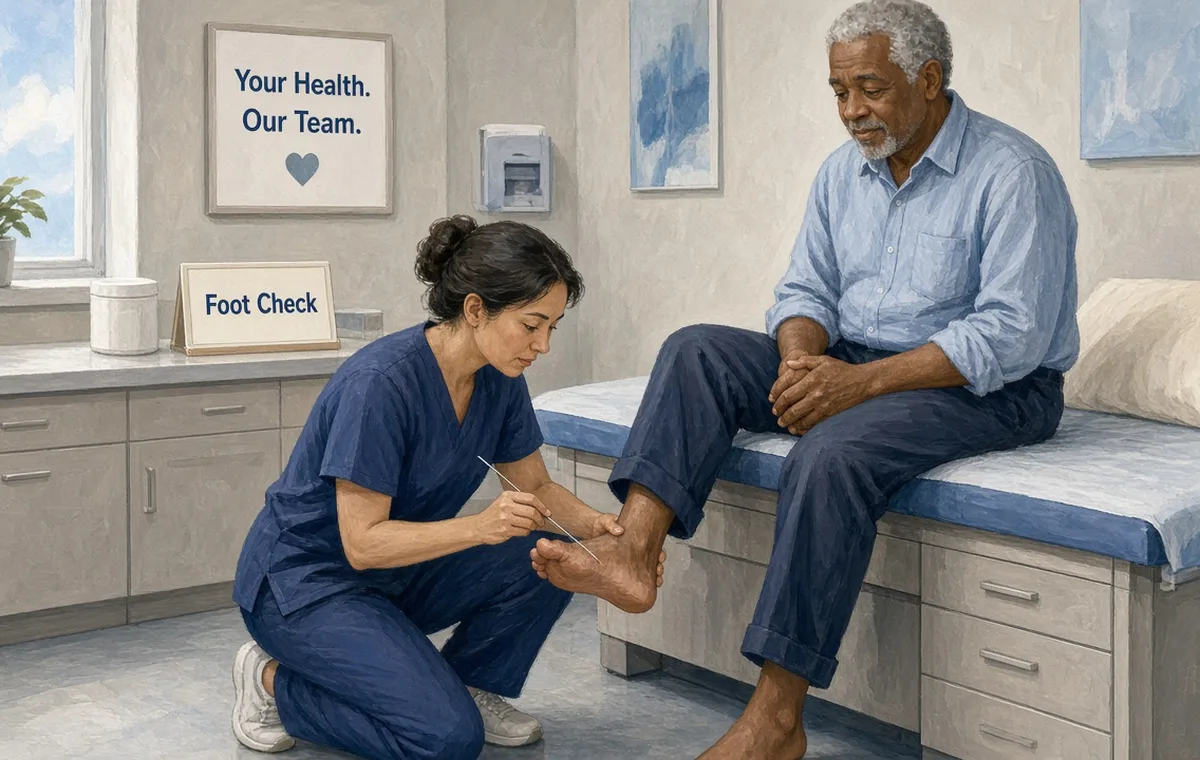
The 10 g monofilament test is quick and painless. A patient who cannot feel it has lost protective sensation and may not notice a blister until it becomes an ulcer. NICE guidance on diabetic foot problems asks for regular risk assessment, and teaching people to look at their feet every day and choose well-fitting shoes is still the most practical way to prevent ulcers and amputations.
When is nutrition support needed?
Some patients admitted with complications cannot eat enough by mouth. NICE guidance on nutrition support in adults suggests considering it for people who have eaten little or nothing for more than five days, or are likely to. If the gut works, enteral tube feeding comes first. Parenteral nutrition is reserved for patients whose gut cannot be used.
In diabetes, feeding rate and formula can push glucose sharply up or down. Frequent glucose checks, insulin adjustment alongside the feed and close teamwork with the dietitian keep the plan safe.
Which lesser-known complications are worth adding?
Once you have covered the classic vascular complications, five further topics make an assignment noticeably deeper.
- Gum disease: diabetes makes gum inflammation more likely and slower to heal, and inflamed gums can make glucose harder to control. Regular dental visits belong in diabetes education.
- Diabetic gastroparesis: nerve damage slows stomach emptying, causing early fullness, nausea and unpredictable glucose after meals. Small, frequent, lower-fat meals help, and it is a useful example of why a patient may not manage oral intake.
- Cognitive decline: long-term poor control and repeated severe hypoglycaemia are linked with memory and thinking problems, which in turn make self-care harder. Include cognition in assessments of older adults.
- Carbohydrate counting: counting the carbs in each meal keeps intake consistent, and people on insulin can match their dose to it. Practising with food labels makes it stick.
- Exercise: regular aerobic and resistance exercise improves insulin sensitivity, blood pressure and weight. People with numb feet should choose activities that protect their feet, and people on insulin need to watch for hypoglycaemia around exercise.
Insulin resistance links several of these topics, and the wiki page on insulin resistance explains the mechanism clearly.
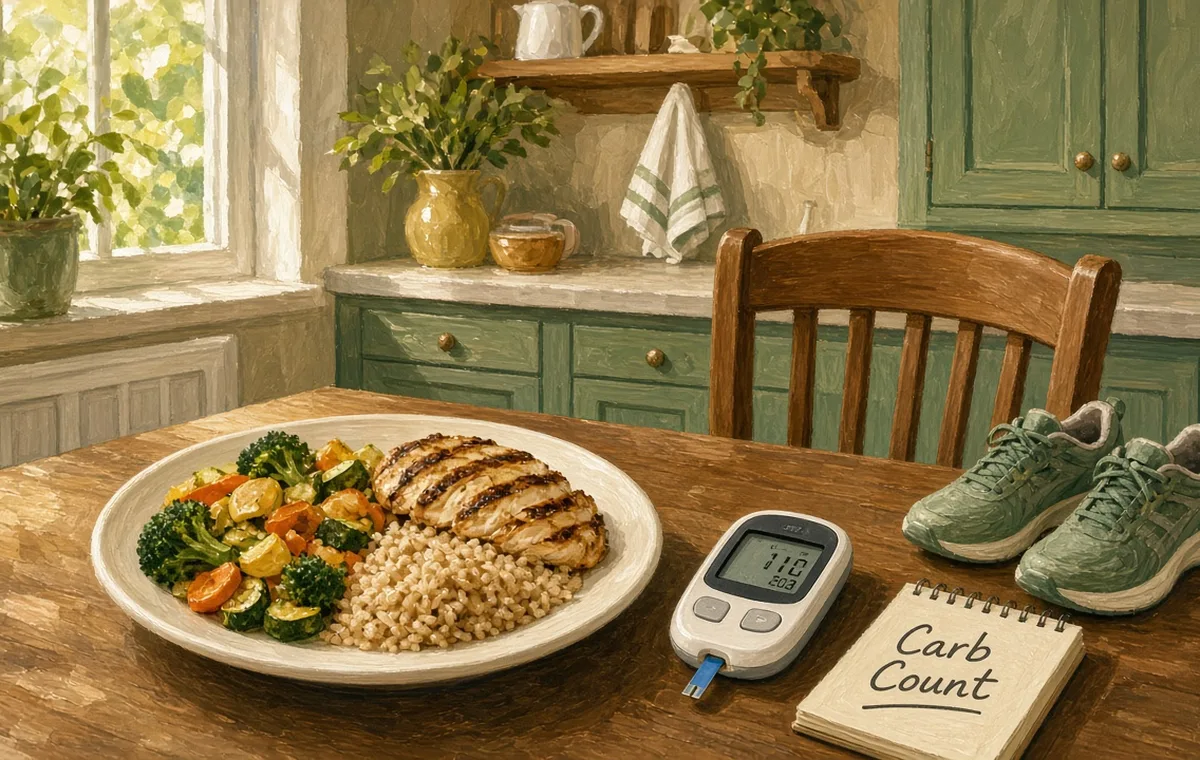
The US Diabetes Prevention Program showed in 2002 that lifestyle change could sharply cut the number of people with prediabetes who went on to develop type 2 diabetes. The same habits, a balanced plate and regular movement, are the backbone of complication prevention too.
How should you wrap up a care plan?
Group your interventions into what shows up in the body and what the patient does every day: eyes, kidneys, nerves, heart, mouth and digestion on one side, and meals, movement, medicines and appointments on the other. That turns a list of complications into a plan for the patient's whole day. CampusDown's nursing study notes include more care plan examples if you want to compare layouts.
Student money tip on CampusDown Repair Up: Is a Small Leak Worth a Renters Insurance Claim? My Decision Checklist.
Reviewed by the CampusDown editorial team, November 2026. References: Fowler, M. J. (2008). Microvascular and macrovascular complications of diabetes. Clinical Diabetes, 26(2), 77–82; American Diabetes Association, Standards of Care in Diabetes; NICE NG19 and NG28.
FAQ
Can diabetes complications be reversed?
Damage that has already happened is hard to undo, but early detection and good control of glucose, blood pressure and cholesterol can slow or stop progression.
How often should people with diabetes have eye screening?
In England, the NHS invites everyone with diabetes aged 12 and over to regular diabetic eye screening. In the US, the ADA recommends a dilated eye exam at diagnosis of type 2 diabetes and then every one to two years if no retinopathy is found.
What does HbA1c measure?
It reflects average blood glucose over roughly the past two to three months. The US usually reports it as a percentage and the UK in mmol/mol.
Why are feet checked at every review?
Neuropathy can stop people feeling a cut or blister, and poor circulation slows healing, so small injuries can turn into ulcers. Regular checks catch problems early.