
What Is the Sick Role? Parsons Theory, Disease vs Illness vs Sickness, Chronic Illness and Its Critics
- Parsons saw being sick as a social role with two rights and two duties.
- Society excuses the sick person from duties in return for an effort to recover, with the doctor as gatekeeper.
- The model fits acute illness well but struggles with chronic illness, prevention and patient partnership.
Contents
Talcott Parsons argued that being ill is a social role, the sick role, which excuses a person from normal duties and from blame in return for trying to get well and cooperating with medical help, with the doctor acting as the gatekeeper who confirms who is legitimately sick. When you call in sick with flu, a coworker covers your shift for a few days, but does the same deal work for a chronic condition that lasts for years? This guide, adapted from a Korean medical sociology study note, explains the difference between disease, illness and sickness, why being sick is a social matter, the four elements of the sick role, how it fits acute and chronic illness, how sick leave rules in the UK and US reflect it and the main criticisms of the model.
How are disease, illness and sickness different?
| Term | Meaning |
|---|---|
| Disease | An objective condition identified by medicine |
| Illness | The subjective experience of feeling unwell |
| Sickness | The state of being unwell as recognised by other people and society |
Related on CampusDown Life UpBroke by the 15th? How to Make a Simple Monthly Budget — How to make a simple monthly budget that sticks, using the CFPB's free Your Money, Your Goals worksheets: take-home pay, bills by due…
In everyday English the three words are often used interchangeably, but anthropologists and sociologists separate them to show how an experience inside one body takes on social meaning. A person can have a disease without feeling ill, feel ill without a diagnosed disease, or be treated as sick only once a doctor signs a note.
The third sense, sickness, is where the sick role lives, because it is about how other people respond to someone who says they are unwell.

Why does being ill become a social matter?

Why can someone who is accepted as a patient step away from everyday duties for a while? When a person is late or absent because of illness, work slows down and others have to pick up the tasks. At that point a private experience starts to affect colleagues and the organisation, and it becomes social.
Parsons, a leading figure in the functionalist school of sociology, believed that for society to run smoothly, being sick also had to be managed under certain rules. He set out the idea of the sick role systematically in his 1951 book The Social System, and it became a starting point for medical sociology. Our wiki entry on the Parsons sick role gives more background.
In this view, illness is a kind of approved deviance: society tolerates people stepping out of their roles, but only on terms that push them back toward health.
Skimming the section headings first makes a long guide much easier to map out. Try writing down one question of your own as you read.
What are the four elements of the sick role?
- Right 1: exemption from normal social roles and responsibilities
- Right 2: not being blamed for being ill, since it is not the person's fault
- Duty 1: seeing the sick state as undesirable and trying to recover quickly
- Duty 2: seeking expert help and cooperating with it
In other words, society grants the sick person a break in exchange for an effort to recover, and the doctor decides who counts as a legitimate patient. That gatekeeping role is why a doctor's note matters so much at work and school.
The two rights and two duties work as a package. If someone seems not to be trying to get better, others may start to question whether the exemption is still deserved.
How does it apply to acute and chronic illness?
| Element | Acute illness | Chronic illness |
|---|---|---|
| Exemption from roles | A short rest is usually enough | Full exemption over a long period is hard |
| Duty to recover | Return to normal life after treatment | The goal is management and adjustment rather than cure |
| Cooperation with experts | Following the doctor's instructions | The patient's own self-management is central |
A chronic condition such as diabetes needs lifelong management rather than a one-time cure. People living with it often combine work and treatment and manage their own food, medication and exercise, so the sick role assumption that following the doctor leads to recovery fits poorly.
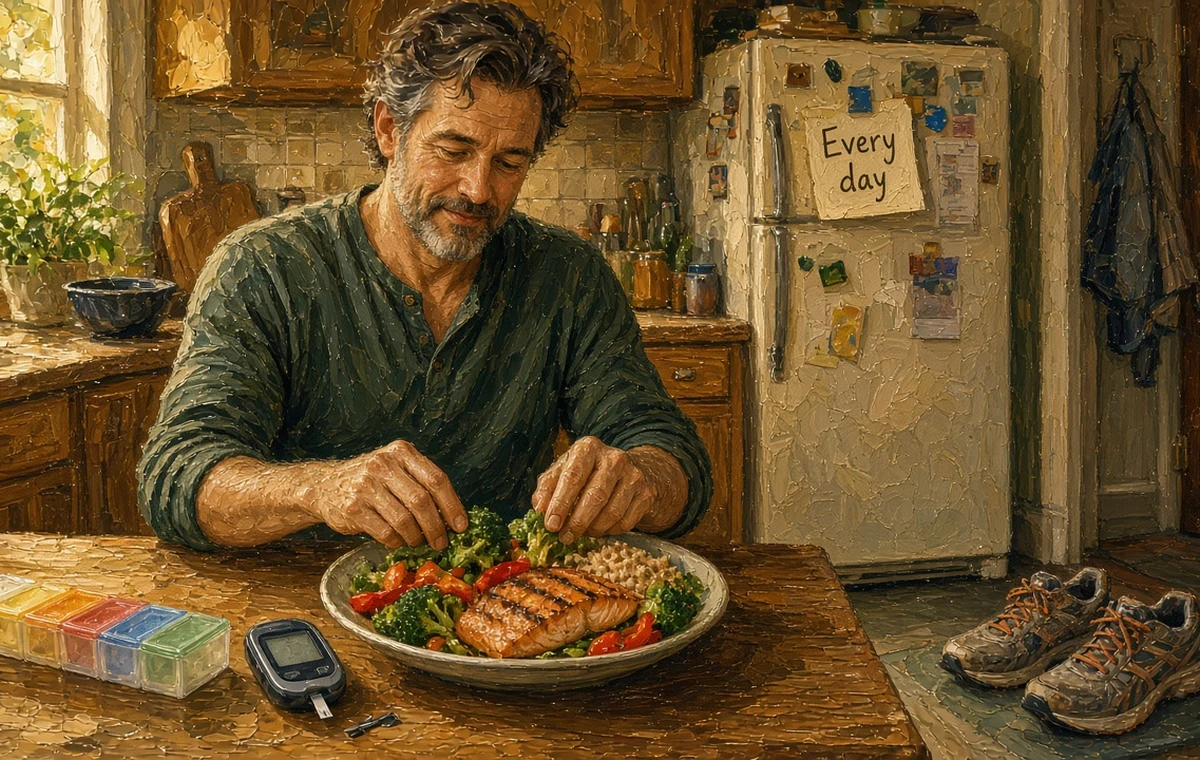
This is why people with chronic conditions are asked to take on a self-management role instead of the resting patient role, and why workplaces increasingly offer flexible hours and adjustments rather than only time off.
How do sick leave rules in the UK and US reflect the sick role?
Sick leave systems are a practical version of Parsons' idea: they define how long you can be excused, who confirms you are sick and what you must do in return. The UK and US take quite different approaches.
| Country | Key rules |
|---|---|
| UK | Employees can self-certify for the first 7 days; after that, employers can ask for a fit note, which since April 2010 can say a person may be fit for some work with changes such as reduced hours |
| US | There is no general federal law requiring private employers to provide paid sick leave, though many states and cities do; the Family and Medical Leave Act gives eligible employees up to 12 weeks of unpaid, job-protected leave a year for serious health conditions |
The UK fit note is a good example of the model being updated: instead of a simple sick or not sick decision, it allows a doctor to suggest phased returns and adjusted duties, which suits chronic conditions better. Rules change, so always check current guidance from your employer, school or government before relying on them.
What are the criticisms of the sick role model?
The sick role assumes that patients should comply with medical guidance, so it has been criticised as doctor centred. It also struggles to explain prevention and the management of chronic, degenerative conditions, where a doctor cannot simply give orders.
Also on CampusDown Life Up: Broke by the 15th? How to Make a Simple Monthly Budget.
Today, patients are increasingly seen as partners who share in treatment decisions. Nurses and other health workers can use the model as a starting point while planning care that respects a patient's ability to manage their own condition and make their own choices.
The model also has trouble with mental illness and stigmatised conditions, where others may not readily grant the exemption, and with situations where people cannot easily see a doctor or afford time off.
Even so, the sick role remains a useful lens for asking what society expects from people who are unwell and what it owes them in return, which is why it still appears in sociology, nursing and public health courses.
Reference: Parsons, T. (1951). The Social System. Free Press. Understanding illness means understanding people.
FAQ
Who was Talcott Parsons?
An American sociologist and a leading figure of functionalism, which sees society as a system of parts that work together.
Does the sick role apply to mental illness?
It can, but stigma means society does not always grant the sick role easily, which is a known limitation of the model.
Why is the doctor called a gatekeeper?
Because the doctor's diagnosis decides who is legitimately sick and therefore entitled to be excused from normal duties.
What is the difference between illness and sickness?
Illness is the personal experience of feeling unwell, while sickness is that state as recognised by other people and society.
Why does the model fit chronic illness poorly?
Chronic conditions need long-term self-management rather than a short rest followed by cure, so the recovery duty does not fit neatly.