
Why Reused Syringes Spread Hepatitis C: Medical Error, Patient Safety and Lessons from Seoul, Las Vegas and the UK
- Patient safety means preventing harm caused by healthcare itself, and James Reason split unsafe acts into errors and violations.
- A 2016 Seoul clinic that reused syringes caused a hepatitis C cluster, a failure of habit and supervision rather than technology.
- The US One and Only Campaign and UK sharps rules show cheap fixes only work in a culture where speaking up is safe.
Contents
Reusing a syringe is not a minor shortcut: it is one of the clearest examples of a medical error that can turn a routine clinic visit into a hepatitis C outbreak, and patient-safety science explains why even well-trained staff end up doing it. This guide unpacks how experts classify mistakes, what happened when a Seoul clinic reused syringes, and how the United States and the United Kingdom learned similar lessons the hard way.
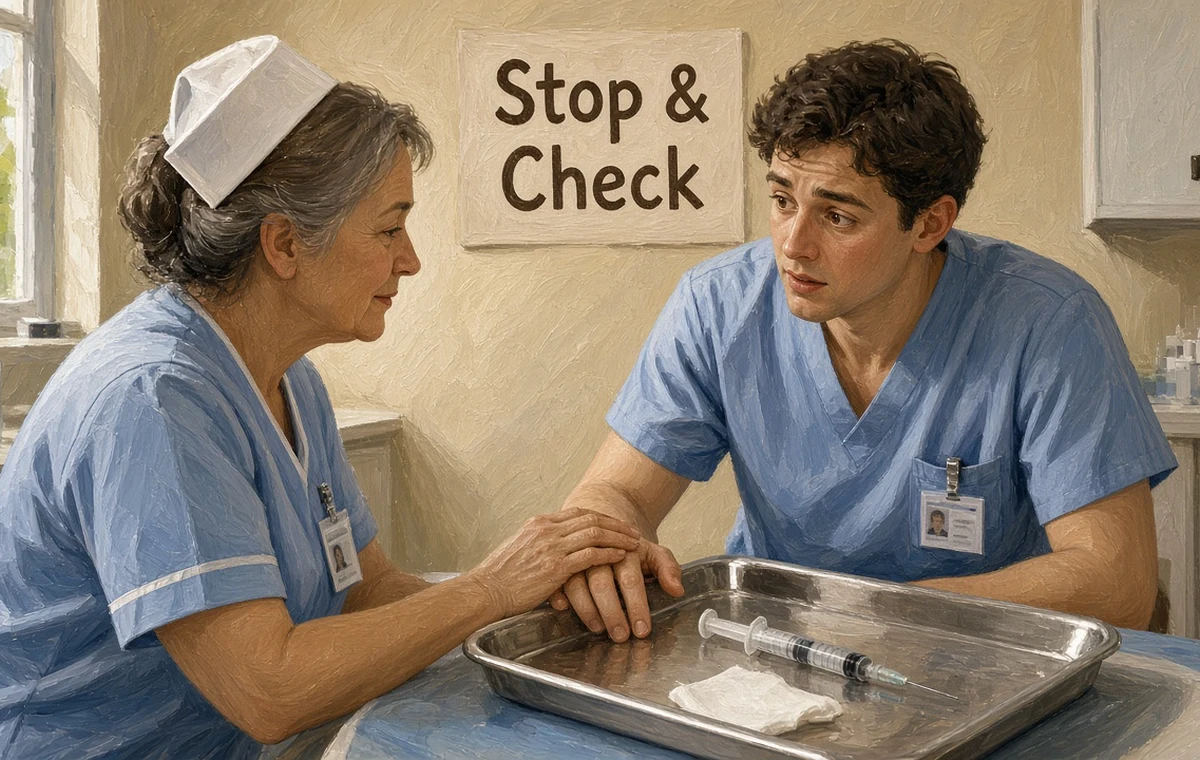
Most of us assume the needle going into our arm has never touched anyone else. That trust is the foundation of every injection, which is exactly why breaking it causes such damage, both medical and emotional.
What does patient safety actually mean?
The World Health Organization describes patient safety as preventing errors and adverse effects to patients that are associated with health care. In plain terms, the aim is that people leave a hospital or clinic no worse off than the system itself made them, and ideally much better.
Student money tip from CampusDown Law UpMy Medical Bill Got Sent to Collections. What Do I Do? — Medical bill sent to collections?
That sounds simple, yet healthcare is a high-pressure, high-complexity business. Staff juggle dozens of patients, devices and drugs at once, so the question is never whether people will make mistakes but how the system catches them before they reach the patient.

How do experts classify medical errors?
The psychologist James Reason, whose book Human Error shaped modern safety thinking, split unsafe acts into errors and violations. Errors are unintended: you meant to do the right thing but your action or your plan went wrong. Violations are deliberate departures from a rule, even if nobody meant to harm anyone.
| Type | What goes wrong | Clinic example |
|---|---|---|
| Slip | Right plan, wrong action | Picking up the wrong vial that looks like the right one |
| Lapse | A memory failure | Forgetting to log that a drug was already given |
| Mistake | The plan itself is wrong | Believing a syringe is safe to reuse if the needle is changed |
| Violation | Knowingly bending a rule | Reusing single-use equipment to save time or money |
According to the source, violations become more likely when motivation is low, and also, perhaps surprisingly, when regulation is so heavy that staff start treating rules as obstacles rather than protection. A useful related distinction is between a near miss, where an error is caught before it reaches the patient, and an adverse event, where harm actually occurs.
Skimming the section headings first makes a long guide much easier to map out. Try writing down one question of your own as you read.
What happened at the Seoul clinic?
In 2016, health authorities in Seoul traced a cluster of hepatitis C infections back to a neighbourhood clinic where syringes had been reused. Large numbers of former patients were contacted and urged to get tested, and many were found to have been exposed to the virus.

The case shocked the public because nothing about it required advanced technology to prevent. A packet of new syringes costs very little. What failed was the habit, the supervision and the culture that should have made reuse unthinkable.
Why does syringe reuse spread hepatitis C so easily?
Hepatitis C is a blood-borne virus, and a tiny, invisible amount of blood can carry enough of it to infect someone else. Changing only the needle does not help, because backflow can contaminate the syringe and any multi-dose vial it is dipped into, which then infects every patient who receives a dose from that vial.
Many people infected with hepatitis C feel nothing for years while the virus slowly damages the liver. That silence is why outbreaks are often discovered late, and why screening is so important. Modern antiviral tablets now cure the large majority of patients, so finding infections early really matters.
How have the US and UK tackled unsafe injections?
In the United States, a 2007 to 2008 outbreak linked to an endoscopy clinic in Las Vegas, where syringes and single-use vials had been reused, led to tens of thousands of patients being urged to get tested and became a turning point. The CDC and its partners responded with the One and Only Campaign, built around a slogan every clinician is meant to know by heart: one needle, one syringe, only one time.
The British angle: blood, sharps and an elimination goal
In the United Kingdom, the long-running Infected Blood Inquiry, which published its final report in 2024, documented how tens of thousands of people were infected with hepatitis C and HIV through contaminated blood and blood products in past decades, and concluded that much of the harm could have been avoided. Separately, the Health and Safety (Sharps Instruments in Healthcare) Regulations 2013 require employers to reduce sharps risks, and NHS England set an ambition to eliminate hepatitis C as a public health threat ahead of the WHO's 2030 target, offering easy testing in pharmacies and community settings.
| Item | United States | United Kingdom | Korea (source case) |
|---|---|---|---|
| Wake-up call | Las Vegas endoscopy clinic outbreak | Contaminated blood scandal and inquiry | 2016 Seoul clinic syringe reuse |
| Main response | One and Only Campaign, tighter infection-control training | Sharps regulations, NHS hepatitis C elimination push | Education, epidemiological investigation, debate on screening |
| Lesson | Single-use means single-use | Admit failures openly and support those harmed | Culture and supervision matter as much as rules |
Across all three countries the story is the same: the technical fix is cheap, but it only works if staff feel that following it is non-negotiable and that speaking up about shortcuts is safe.
What should change to prevent the next outbreak?
The source recommends regular education on hand hygiene and device guidelines, continued epidemiological investigation to find everyone affected, and a serious discussion about who should be screened for hepatitis C, noting that the United States strengthened training after similar incidents. More on the infection itself is in our entry on hepatitis C, and the culture that lets staff challenge a colleague's shortcut is explained under psychological safety.
Student money tip on CampusDown Law Up: My Medical Bill Got Sent to Collections. What Do I Do?.
For patients, the practical takeaway is simple: it is perfectly reasonable to ask whether a syringe is new. A good clinic will not be offended, and it will open the sealed packet in front of you.
Reviewed by the CampusDown editorial team, November 2026. Reference: Reason, J. (1990). Human Error. Cambridge University Press.
FAQ
Is it safe to reuse a syringe if the needle is changed?
No. Blood can flow back into the syringe and contaminate it or a shared vial, so both needle and syringe must be used only once.
What is the One and Only Campaign?
A US public health campaign led by the CDC and partners that promotes safe injection practice: one needle, one syringe, only one time.
Can hepatitis C be cured?
Yes, modern antiviral tablets cure the large majority of patients, which is why early testing is so valuable.
Where can I get tested for hepatitis C in the UK?
Through your GP, sexual health clinics and, in England, many community pharmacies and NHS testing services.
What is the difference between a near miss and an adverse event?
A near miss is an error caught before it reaches the patient; an adverse event is one where harm actually occurs.