
Korea Passed 180,000 International Students, So Why the Worry? Recruitment Wins, Gaps and Lessons From the US and UK
- With fewer school leavers, recruiting international students became a survival task for many Korean universities.
- Numbers grew from about 12,000 in 2003 to over 180,000 by July 2023, according to the source.
- Weak screening, language gaps, Seoul concentration and missing job routes remain the big challenges.
Contents
- Why did recruiting international students become a survival issue?
- How fast did the numbers grow?
- What problems hide behind the headline figure?
- How do the US and UK manage the same tension?
- What does the study actually analyse?
- Which improvements make the most sense?
- How do Korea, the US and the UK compare?
- FAQ
Korea now hosts well over 180,000 international students, yet the people who study higher education policy are not exactly popping champagne. Numbers have soared, but so have worries about who gets admitted, whether they can follow lectures, where they end up studying and what happens on graduation day. This guide walks through the Korean story and sets it next to the very different playbooks used in the United States and Britain.
Why did recruiting international students become a survival issue?
The source study frames international student recruitment as more than academic exchange. In a globalised economy it has become a lever for national competitiveness and economic growth, a way to bring talent, money and international networks into the country at the same time.
Related on CampusDown Law UpMy International Roommate Is Stressing About the H-1B. How Can I Help? — Your international roommate is anxious about work visas after graduation?
The sharper driver is demographic. Korea's very low birth rate and fast-ageing population mean the number of school leavers keeps shrinking, and many universities, especially outside Seoul, now face empty seats and real financial danger. For them, recruiting abroad stopped being a nice extra and became a question of staying open. That is why the study insists student policy should be treated as a national response to population change, not just one campus balancing its books.

Britain offers a useful mirror here. Many UK universities rely heavily on international tuition fees, because domestic undergraduate fees in England were frozen for years while costs rose. When visa rules tighten or applications dip, finance directors feel it almost immediately, which is the same vulnerability Korean regional universities face from the other direction.

How fast did the numbers grow?
The study draws on education statistics from the Korean Educational Development Institute (KEDI). Growth was steady in the early 2010s and accelerated after 2015.
| Year | International students |
|---|---|
| 2010 | 83,842 |
| 2015 | 91,332 |
| 2020 | 153,695 |
| 2021 | 152,281 |
| 2022 | 166,892 |
Zoom out further and the jump is dramatic: roughly 12,000 international students in 2003 became more than 180,000 by July 2023. In 2023 the government also launched its Study Korea 300K Project, which aims for 300,000 international students by 2027. The small dip in 2021 reflects the pandemic, when border closures froze travel worldwide, but the curve quickly resumed its climb.
Skimming the section headings first makes a long guide much easier to map out. Try writing down one question of your own as you read.
What problems hide behind the headline figure?
The study lists five recurring problems, and anyone who has worked in a university admissions office will recognise them:
- Admissions without enough screening of academic ability
- Language skills too weak to keep up with lectures
- A resulting drop in teaching quality
- Heavy concentration in Seoul and its surrounding region, widening gaps between universities
- Thin support services and almost no bridge from graduation to a job
The warning is that chasing numbers alone can drag down both student satisfaction and a university's reputation. Once word spreads that a campus is a visa factory, the best applicants go elsewhere, so the real question becomes how to manage the quality of the experience rather than its size.
How do the US and UK manage the same tension?
The study notes that countries such as the United States, Britain, Australia and Japan turned recruitment into a deliberate strategy, treating graduates as economic and cultural assets. The details show how much the rules themselves shape behaviour.
United States: tight tracking, generous training time
American universities admit students on F-1 visas, and every school must report enrolment through SEVIS, the federal Student and Exchange Visitor Information System. If a student stops attending, the record shows it, which puts real pressure on schools to admit people who can actually cope. After graduation, Optional Practical Training (OPT) lets graduates work in their field, and science and engineering graduates can apply for a STEM extension of up to 24 months. That built-in work bridge is exactly what the Korean study says is missing.
United Kingdom: sponsor licences and the Graduate Route
In Britain, a university needs a Home Office sponsor licence to recruit overseas students, and it must keep visa refusal, enrolment and completion rates within official thresholds under the Basic Compliance Assessment or risk losing that licence. Since 2021 the Graduate Route has let students stay and work after their degree, usually for two years and three for doctoral graduates, though ministers have since proposed shortening it. From January 2024 most taught master's students also lost the right to bring dependants, a sign of how politically sensitive the numbers are.
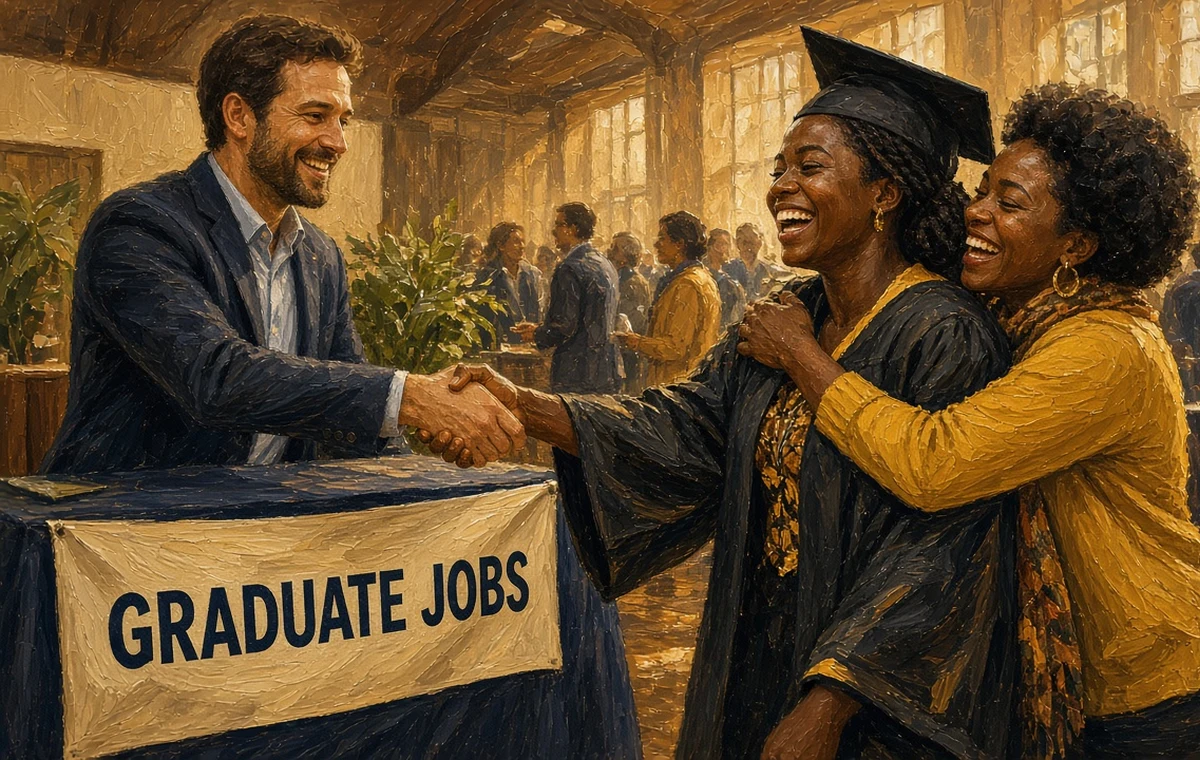
Both systems show the same lesson: strict entry checks and a clear path to work are two halves of one policy. Admitting weak candidates hurts universities through compliance penalties, while offering no route to employment wastes the talent a country worked hard to attract.
What does the study actually analyse?
Its theoretical framework moves through five areas: how student policy links with Korean-language education policy, a stage-by-stage view of recruitment and management, the legal status of international students and the stability of the rules that govern them, case studies of how individual universities recruit and support students, and policy changes after COVID-19.
Splitting the journey into an arrival stage and a staying stage is the most useful idea here. It lets you pinpoint where the system leaks: weak screening at the door, isolation and language struggles on campus, or a cliff edge at graduation. Why migration tends to snowball once the first students arrive is explained in our explainer on migration network theory, since friends and relatives often follow the people who went first.
That snowball effect cuts both ways. A good experience brings more good applicants, while a bad reputation spreads just as quickly through the same networks.
Which improvements make the most sense?
Flip each problem and you get a reform agenda. At admission, check academic ability and language skills properly. During study, strengthen Korean-language teaching and everyday life support, from housing to counselling. After graduation, build genuine routes into employment so graduates are not simply shown the exit.
The anglophone examples add two practical ideas. First, tie recruitment privileges to outcomes, as Britain does with sponsor compliance, so universities that recruit carelessly pay a price. Second, make the post-study work period predictable, because students choose countries partly on whether they can gain experience afterwards. Some graduates will later go home with new skills, a pattern covered in our page on return migration, and that too can benefit both countries.
The study's closing thought is simple: treat international students as long-term human capital rather than a tuition revenue stream, and the strategy becomes sustainable for universities and the nation alike.
How do Korea, the US and the UK compare?
| Issue | Korea (source study) | United States | United Kingdom |
|---|---|---|---|
| Main driver | Shrinking school-age population, university survival | Research talent and tuition revenue | University finances and soft power |
| Quality control | Screening criticised as weak | SEVIS reporting on enrolment status | Sponsor licence and Basic Compliance Assessment |
| Language | Korean ability often insufficient | English tests set by each university | Secure English language tests for visas |
| After graduation | Weak link to employment | OPT, plus STEM extension up to 24 months | Graduate Route, usually two years |
Related on CampusDown Law Up: My International Roommate Is Stressing About the H-1B. How Can I Help?.
The comparison makes Korea's gap obvious. The country has matched rivals on recruitment numbers far faster than it has built the quality controls and career bridges that keep those numbers healthy.
Takeaway for students
If you are writing about international student policy, structure your answer around the journey: why recruitment matters, how numbers grew, what went wrong at each stage and how other countries handle entry checks and post-study work. Concrete comparisons such as SEVIS, sponsor licences and the Graduate Route will make your argument far stronger than headline figures alone.
Reference: Knight, J. (2004). Internationalization remodeled: Definition, approaches, and rationales. Journal of Studies in International Education, 8(1), 5 to 31. Universities that students want to stay at are the ones that last.
FAQ
How many international students study in Korea?
According to the source, more than 180,000 as of July 2023, up from about 12,000 in 2003.
Why did Korean universities start recruiting so hard abroad?
A shrinking school-age population left many universities, especially outside Seoul, short of students and income.
What is SEVIS in the United States?
It is the federal system that tracks international students on F-1 visas, so schools must report enrolment and attendance status.
How long can graduates stay in the UK on the Graduate Route?
Usually two years, or three for doctoral graduates, although the government has proposed shortening it.
What is the main fix the study recommends?
Screen ability and language properly, support students during their studies and build real routes into employment after graduation.