
Is Opera Refined and Bingo Vulgar? Bourdieu, Habitus and the Hierarchy of Taste
- Bourdieu argued that taste grows out of habitus, the class-shaped dispositions absorbed from family and school.
- The line between refined and vulgar hobbies comes from social perception and cultural codes, not the activities themselves.
- Rankings shift over time, from American opera's sacralisation to British football's gentrification and today's cultural omnivores.
Contents
Hobbies are not ranked by their own worth: the sense that opera is refined and a card game is vulgar comes from who has traditionally enjoyed each pastime, and Pierre Bourdieu explained it through habitus, the class-shaped tastes and dispositions we absorb from family and school. This guide explains why hobbies acquire a pecking order, what habitus and cultural capital mean, how Britain and the United States have argued about highbrow and lowbrow, and how the rankings shift over time.
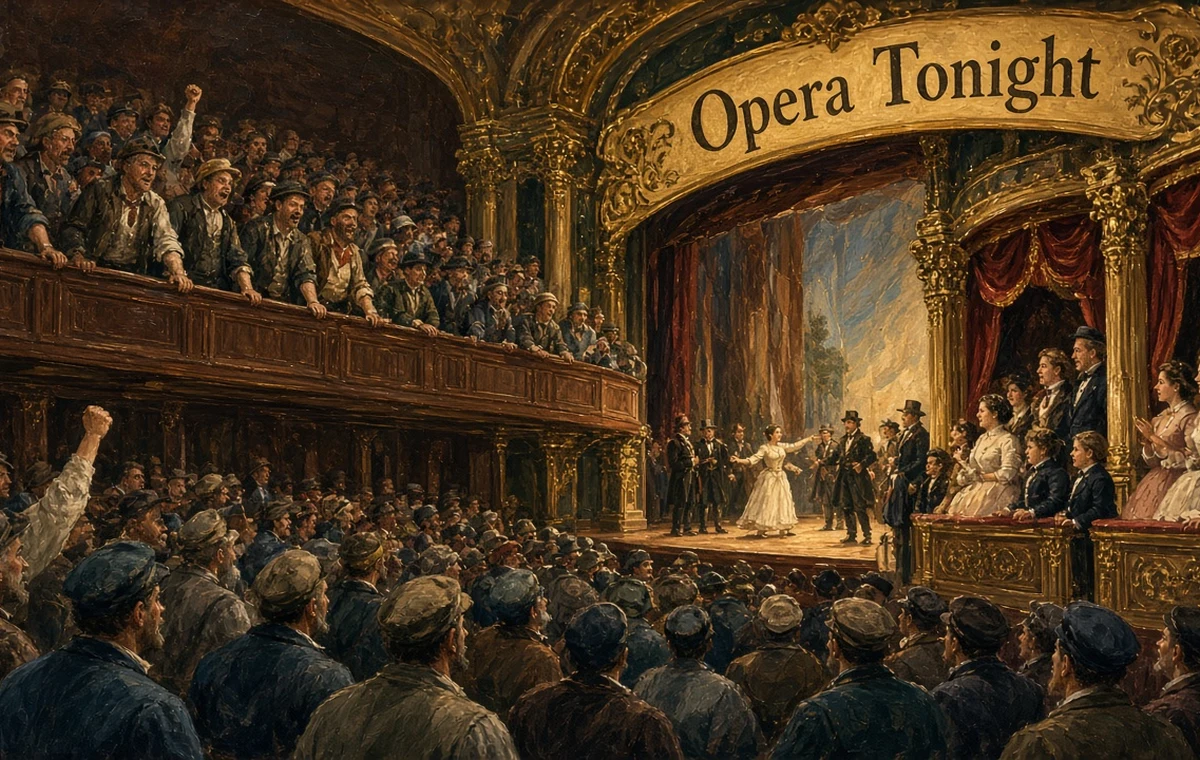
Say you love opera and people may assume you are cultured; say you love bingo or poker nights and the assumptions change. The source, written for a Korean audience, contrasts opera with hwatu, a flower-card game, but every society has its own version of this snobbery.
Do hobbies really have a hierarchy?
A hobby is something done for pleasure, usually unpaid and unprofessional. Because it is mainly about personal satisfaction, there is no obvious reason one hobby should outrank another, and the source makes exactly this point.
Student money tip from CampusDown Life UpHow to Find Unclaimed Money in Your Name — How to find unclaimed money in your name for free: official state databases via NAUPA and MissingMoney.com, federal searches like Treasury…
Yet people rank hobbies all the time. The ranking comes less from the activity itself than from social perceptions and cultural codes about the kind of person who does it, which is why the same pastime can be prestigious in one era and mocked in another.

How did opera become a refined taste?
The source describes opera as a pastime of aristocrats with power, money and time, demanding musical knowledge, foreign languages and expensive tickets. That is true of its courtly beginnings in Italy around 1600, but it needs a correction: the first public, ticketed opera house opened in Venice in 1637, and in nineteenth-century Italy Verdi's tunes were whistled in the streets.
The American story: from rowdy gallery to hushed hall
The historian Lawrence Levine showed in his 1988 book Highbrow/Lowbrow that Shakespeare and opera were popular entertainment for mixed American audiences for much of the nineteenth century, complete with heckling and encores. Only later were they sacralised as elite culture with strict etiquette. Opera did not start out highbrow; it was made highbrow.
Skimming the section headings first makes a long guide much easier to map out. Try writing down one question of your own as you read.
How did Bourdieu explain taste?
In Distinction, published in French in 1979 and in English in 1984, the French sociologist Pierre Bourdieu argued that taste looks like free personal choice but actually grows out of habitus, the dispositions instilled by one's class position. Dominant groups set the standards of polished speech, graceful bearing and dignity.
Bourdieu saw education as the engine of habitus. A primary habitus is absorbed at home, and a secondary habitus is layered on by school and wider socialisation, so the preferences run deep into the unconscious and are passed down the generations.
| Term | Meaning |
|---|---|
| Habitus | The socially ingrained system of dispositions and tastes |
| Cultural capital | Cultural resources such as education, knowledge and taste that signal class |
| Distinction | Using taste to mark differences between social groups |
| Symbolic violence | When the dominant group's standards are accepted as natural, even by those they disadvantage |
These distinctions also work as ideology. They present the tastes of the dominant class as legitimate culture and popular tastes as inferior, so people rich in cultural capital can defend their position through taste alone.
How do Britain and the US argue about highbrow and lowbrow?
Britain may be the classic laboratory for Bourdieu's ideas. In 2011 the BBC launched the Great British Class Survey, and the sociologists who analysed it, led by Mike Savage, proposed in 2013 a seven-class model that measured cultural and social capital alongside income. One of their groups was labelled emerging cultural capital: younger people who enjoy social media, sport, gigs and gaming rather than classical concerts.
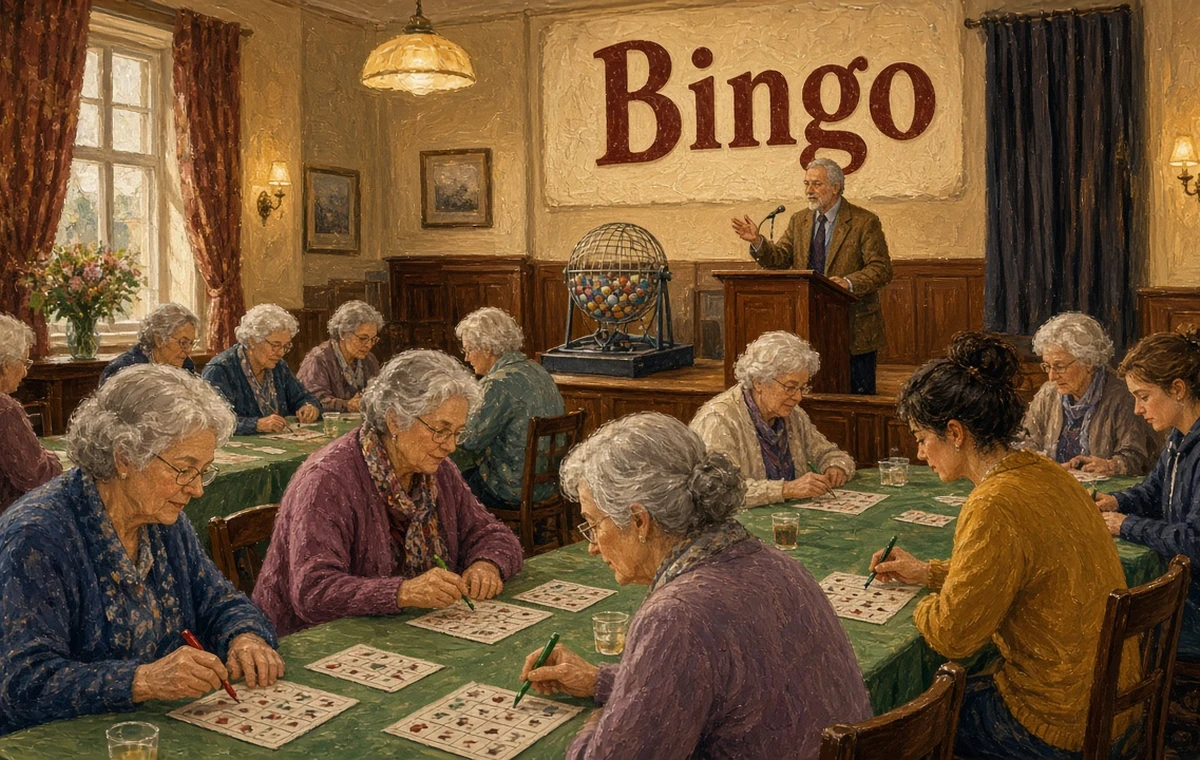
Everyday British snobbery follows the same lines. Bingo halls, darts and betting shops are coded as working class, while opera at Glyndebourne or a box at Wimbledon signals refinement. Football has moved in the opposite direction, from a working-class terrace game to a pricey, globally televised product with corporate hospitality.
The cultural omnivore
American sociologist Richard Peterson, working with Albert Simkus in 1992, found that higher-status Americans were not snobs who liked only opera, but omnivores who sampled widely across genres. Critics reply that knowing how to mix genres cleverly is itself a new form of distinction.
| Item | Korea (source perspective) | United States | United Kingdom |
|---|---|---|---|
| Prestige marker | Opera | Opera, classical music, art museums | Opera, Glyndebourne, theatre |
| Stigmatised pastime | Hwatu card games | Gambling, some reality TV | Bingo, betting shops |
| Shifting example | Tearooms, webtoons, e-sports | Shakespeare and opera sacralised | Football gentrified |
| Key study | Bourdieu's habitus | Levine; Peterson's omnivore | Great British Class Survey |
Across all three, the pattern is the same: a hobby's status tracks the status of the people associated with it.
Can a hobby's status change?
The source points to Korea's old dabang tearooms, once gathering places for young intellectuals and would-be artists, comparable to French salons, whose image later declined, while today's cafés carry new meanings. Webtoons and e-sports, once dismissed as subculture, have become industries and subjects of academic study.
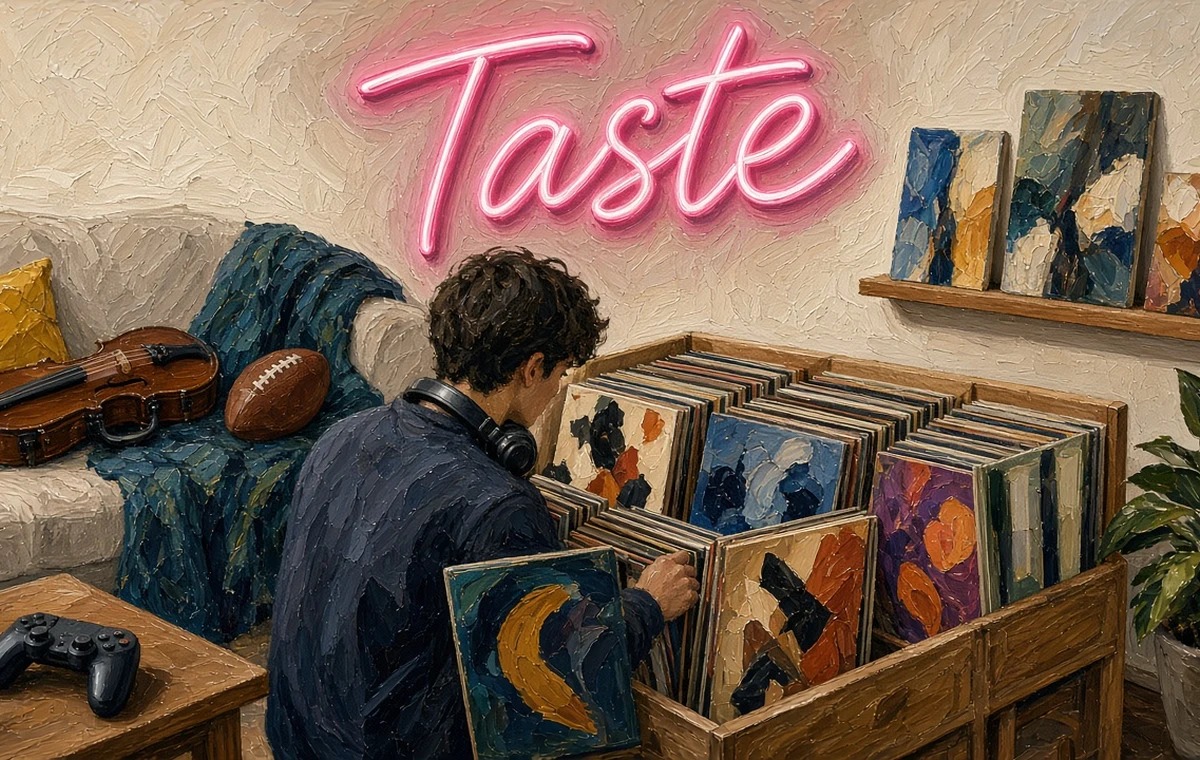
- Golf, hiking and gaming have all changed image as their players changed
- Comics and video games now sit in museums and university syllabuses
- Cultural policy that supports community arts, a view called cultural democracy, aims to respect every group's tastes
The core conclusion of any assignment on this topic is that a hobby's rank is not fixed but built by social perception, and that the perception can be rebuilt.
How should you structure an assignment on this topic?
Pick a hobby of your own or your family's and trace where its image comes from: who first enjoyed it, who enjoys it now, and what training or money it demands. Ground the theory in habitus and cultural capital, then add Peterson's omnivore idea as a counterpoint.
Student money tip on CampusDown Life Up: How to Find Unclaimed Money in Your Name.
End by asking whether your own tastes were freely chosen. That simple question is where Bourdieu's argument becomes personal and where most strong essays find their conclusion.
Reviewed by the CampusDown editorial team, November 2026. Reference: Bourdieu, P. (1984). Distinction: A Social Critique of the Judgement of Taste. Harvard University Press.
FAQ
What is habitus?
Bourdieu's term for the socially ingrained system of dispositions and tastes that people absorb from their class background.
What is cultural capital?
Cultural resources such as education, knowledge and refined taste that signal and help maintain social position.
Was opera always an elite art form?
No. It began at Italian courts, but public opera houses opened in Venice in 1637, and in nineteenth-century America opera drew mixed popular crowds.
What was the Great British Class Survey?
A BBC survey launched in 2011 whose analysis in 2013 proposed seven social classes based on economic, cultural and social capital.
What is a cultural omnivore?
Peterson's term for high-status people who enjoy a wide mix of genres rather than only highbrow culture.