
Cash or In-Kind Benefits? Pros, Cons and Examples from SNAP to Universal Credit
- Cash benefits maximise choice and cost little to deliver, while in-kind benefits target needs precisely but cost more and can carry stigma.
- Evidence reviews find cash transfers do not raise spending on alcohol and tobacco on average.
- Vouchers and restricted cards, such as SNAP's EBT card and Healthy Start, aim to combine choice with a clear purpose.
Contents
Cash benefits give people money they can spend as they choose, while in-kind benefits provide goods or services such as food, healthcare or childcare directly; cash maximises choice and is cheap to deliver, in-kind aid targets needs precisely, and vouchers try to combine the two. This guide compares the two forms using the classic welfare-policy framework, corrects a common assumption about how cash is spent, and shows how the United States and the United Kingdom mix cash, food assistance and vouchers.
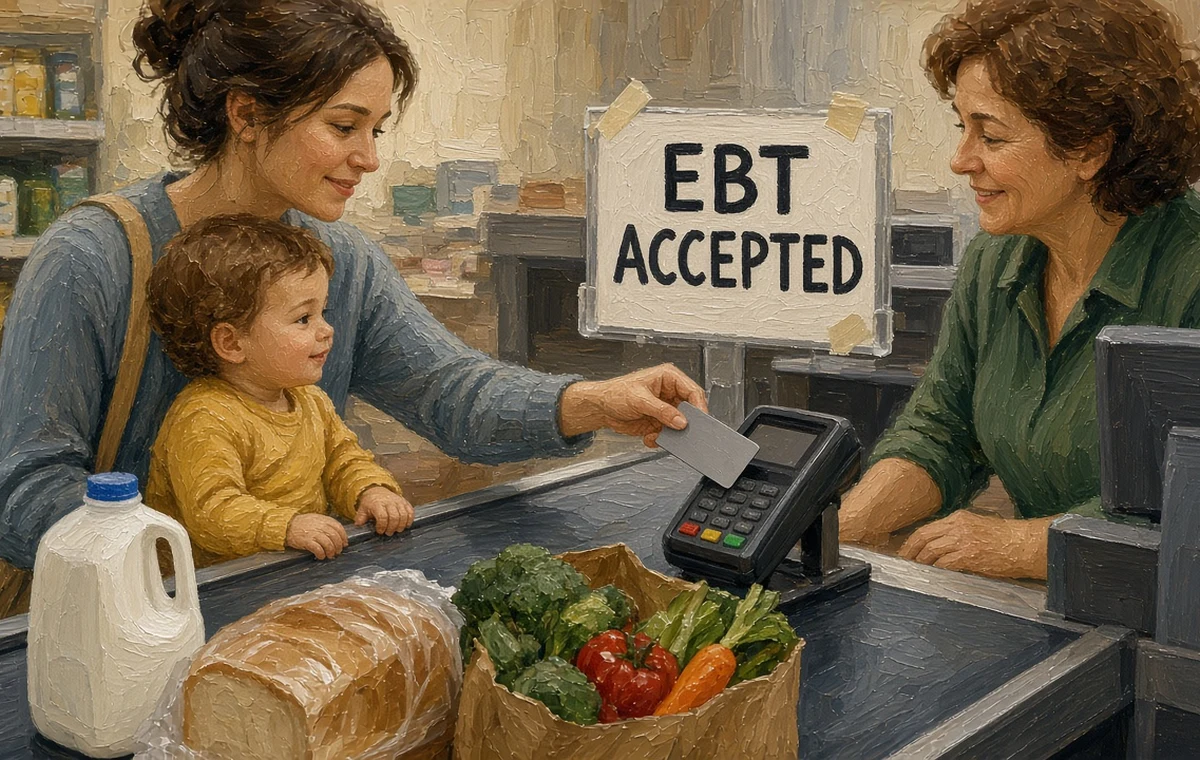
If you wanted to help a struggling family, would you hand them money or a box of groceries? It is one of the oldest questions in social policy, and the answer shapes everything from benefit cards to food banks.
Why does the form of a benefit matter?
Social policy textbooks often analyse programmes through four choices: who gets help (allocation), what they get (provision), how it is delivered (delivery) and how it is paid for (finance). The source credits this to Neil Gilbert and Paul Terrell; strictly, the framework first appeared in Gilbert and Harry Specht's Dimensions of Social Welfare Policy in 1974, and Terrell joined later editions.
Student money tip from CampusDown Law UpMy College Is Cutting My Major Mid-Degree. What Can I Do? — Got the email that your major is being discontinued?
The form of benefit answers the question of what to give. With the same budget, choosing cash or kind can change how satisfied recipients feel, how well the policy hits its goal and how much of the money is lost to administration.

What are the pros and cons of cash benefits?
Cash benefits are usually paid straight into a bank account. Recipients choose what to buy, which respects their autonomy and knowledge of their own needs, and governments spend relatively little on staff and logistics.
Do people waste cash on alcohol and tobacco?
The source lists the risk that cash may be spent on alcohol, cigarettes or gambling. That worry is common, but the evidence is more reassuring than the stereotype: a World Bank review by David Evans and Anna Popova in 2017, covering studies from many countries, found that cash transfers did not increase spending on alcohol and tobacco on average, and in many cases spending fell. Individual misuse still happens, which is where case management comes in.
In the United States, the Earned Income Tax Credit, created in 1975, delivers cash support through the tax system to low-paid working families. In the United Kingdom, Universal Credit, introduced from 2013, rolled several older benefits into one monthly cash payment, a deliberate bet on choice and simplicity.
Skimming the section headings first makes a long guide much easier to map out. Try writing down one question of your own as you read.
What are the pros and cons of in-kind benefits?
In-kind benefits provide goods such as food and household items or services such as healthcare, education and care. They are well targeted, because the help goes exactly where it is meant to, and they tend to win taxpayer support, which makes them politically attractive. Services such as healthcare and education are also hard for individuals to buy fairly on the market, which strengthens the case for public provision; Britain's NHS is the classic in-kind benefit.
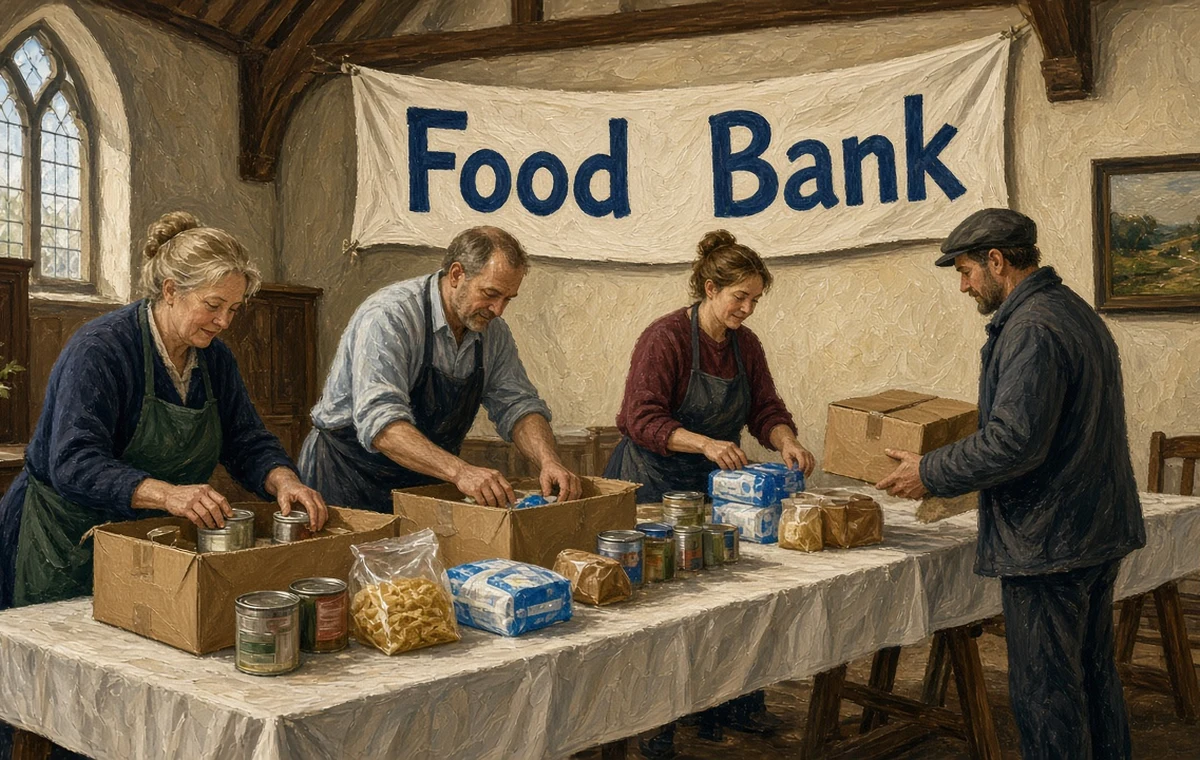
The downsides are real, however. Buying, storing and distributing goods costs more, recipients may get things they do not need, and visible handouts can create stigma. Britain's food banks, largely run by charities and volunteers, show the dilemma: they provide emergency help quickly, but parcels cannot match every family's diet, and many users describe feeling embarrassed to ask.
Is there a middle way?
Vouchers sit between the two. They limit what the benefit can be used for but let recipients choose the provider or product, aiming to combine the freedom of cash with the targeting of kind. The source's Korean examples include the National Happiness Card for childcare and pregnancy services, energy vouchers and the Culture Nuri Card.
How the US and UK use vouchers and restricted cards
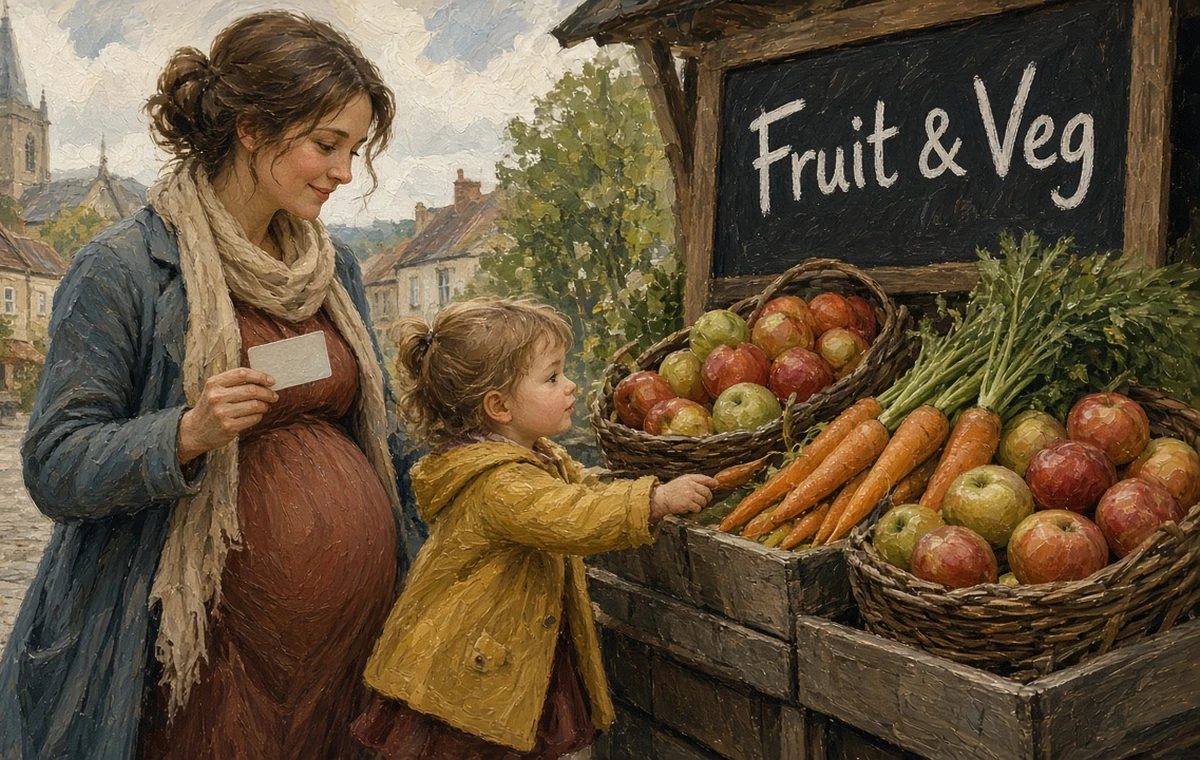
America's Supplemental Nutrition Assistance Program, known as SNAP and renamed from food stamps in 2008, is the largest example. Benefits arrive on an Electronic Benefit Transfer card, used nationwide since 2004, which works like a debit card but cannot be spent on alcohol, tobacco or hot prepared food. The WIC programme adds targeted foods for pregnant women and young children, and Housing Choice Vouchers help families rent in the private market. In England, Wales and Northern Ireland, the Healthy Start scheme for pregnant women and young children switched from paper vouchers to a prepaid card in 2021, usable for fruit, vegetables, milk and infant formula.
| Form | Korea (source perspective) | United States | United Kingdom |
|---|---|---|---|
| Cash | Basic livelihood benefit, child allowance, basic pension | Earned Income Tax Credit | Universal Credit |
| In kind | Rice, essentials, medical and care services | Medicaid services, school meals | NHS care, free school meals, food banks |
| Voucher or restricted card | National Happiness Card, energy voucher, Culture Nuri Card | SNAP on EBT cards, WIC, Housing Choice Vouchers | Healthy Start prepaid card |
Card-based delivery also tackles stigma: payment records let officials track use while the recipient pays at the till like any other shopper, which is a big change from tearing paper stamps out of a booklet.
How can benefit design be improved?
The two forms are complements, not rivals. Where a family receiving cash shows signs of alcohol problems, the source suggests linking them to treatment and counselling through case management rather than simply stopping payments. Conditional cash transfers, such as Mexico's Progresa from 1997 and Brazil's Bolsa Família from 2003, attach conditions like school attendance and health check-ups to cash.
- Increase anonymity in in-kind help, as Korea did by posting sanitary products in plain parcels
- Weigh administrative costs, since every extra check reduces the money that reaches families
- Watch for exclusion: conditions and restrictions can shut out the families who struggle most to comply
The right answer depends on the target group and the policy goal. A strong conclusion sets out criteria for choosing, rather than declaring one form always better.
How should you structure an assignment on this topic?
Start with the four-part framework, then compare cash and in-kind benefits on choice, targeting, cost and stigma, and finish with vouchers and conditional transfers as hybrids. For the hybrid model, see conditional cash transfers, and for the shame that can deter people from claiming, see welfare stigma.
Student money tip on CampusDown Law Up: My College Is Cutting My Major Mid-Degree. What Can I Do?.
Choose one group, such as young carers or older people living alone, and argue which form suits them best. Concrete reasoning about a real group always reads better than a list of pros and cons.
Reviewed by the CampusDown editorial team, November 2026. Reference: Evans, D. K., and Popova, A. (2017). Cash Transfers and Temptation Goods. Economic Development and Cultural Change, 65(2).
FAQ
What is the difference between cash and in-kind benefits?
Cash benefits give money recipients can spend freely, while in-kind benefits provide goods or services such as food, healthcare or care directly.
Do people spend cash benefits on alcohol and tobacco?
A 2017 World Bank review found cash transfers did not increase spending on alcohol and tobacco on average, though individual misuse can occur.
What can SNAP benefits buy?
Most groceries, paid with an EBT card, but not alcohol, tobacco or hot prepared food.
What is the Healthy Start card?
A prepaid card used in England, Wales and Northern Ireland by eligible pregnant women and families with young children, used for fruit, vegetables, milk and infant formula.
Is Universal Credit a cash benefit?
Yes. Introduced from 2013, it combines several older benefits into a single monthly cash payment.