
Everyone Knows Magellan, So Why Not Bae Sun-tae? Korean Shipping History and the First Korean Captain to Sail Around the World
- Shipping means moving people and goods by sea, and in its broad sense includes ports, ships, organizations, policy and rules.
- The study dates the start of Korean shipping to liberation in 1945.
- Bae Sun-tae, the first Korean captain to sail around the world, is a living witness spanning two generations of Korean mariners.
Contents
Ask people to name a famous sailor and you will hear Columbus, Magellan, Francis Drake or perhaps Korea's Admiral Yi Sun-sin. Almost nobody mentions Bae Sun-tae, the first Korean captain to sail a ship around the world. The study behind this article uses his story as a doorway into the history of Korean sea transport, and that history makes more sense when you set it beside the voyages and shipping revolutions that English-speaking readers already know.
What does "shipping" actually mean?
Citing the Encyclopedia of Korean Culture, the source defines shipping in the narrow sense as moving people and goods by sea. In the broad sense it covers everything connected to sea transport: ports, ships, shipping companies, national policy and the domestic and international rules and conventions that govern them.
Student money tip from CampusDown Repair UpIs a small leak worth a renters insurance claim? How to decide — compare the loss with your deductible, check who is responsible, and document it either way.
The broad view starts from the idea that transport is shaped by who carries the goods, where, by what means and under which social constraints such as law. That is why understanding shipping means looking at fleet capacity and organizations, not only at the vessels themselves.
It also explains why shipping history is really economic history: whoever controls the ships, the ports and the rules ends up shaping the trade routes of an entire era.

Did Magellan really sail around the world?
Ferdinand Magellan led a Spanish fleet out in 1519, but he was killed in the Philippines in 1521 after joining a local ruler's battle at Mactan. Strictly speaking, the circumnavigation was completed by the handful of survivors, usually counted as 18 Europeans, who limped home aboard the Victoria in 1522 under Juan Sebastián Elcano.
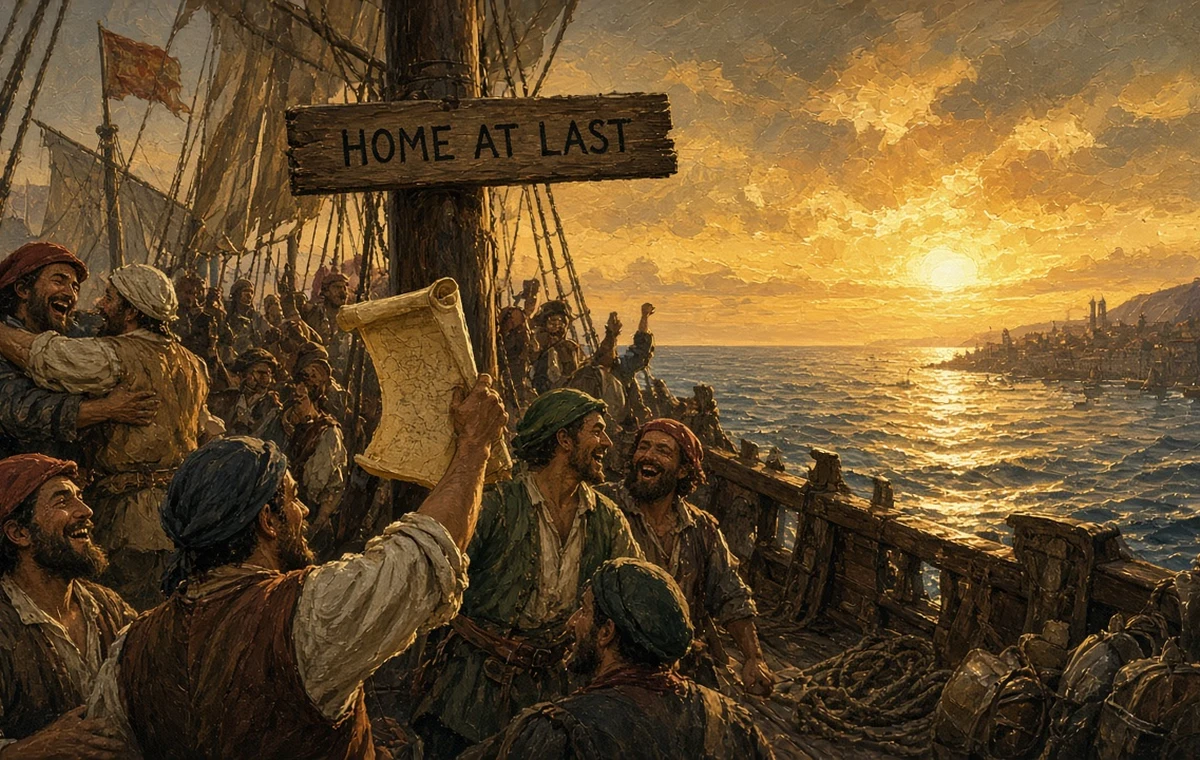
The study still credits Magellan, because he had already sailed east around the Cape of Good Hope to the Indonesian islands with the Portuguese, and the fleet's makeup and route were planned under his command. English readers have their own version of the debate: Francis Drake, sailing the Golden Hind between 1577 and 1580, is often described as the first captain to command a circumnavigation from start to finish.
Who gets the credit depends on how history is written, which makes this a great opening question for a report. Is a voyage the achievement of the person who planned it, or of the people who survived it?
Skimming the section headings first makes a long guide much easier to map out. Try writing down one question of your own as you read.
When did Korean shipping begin?
The study dates the start of Korean shipping to 1945, the year of liberation from Japanese colonial rule. It stresses that sea transport undeniably laid the foundation for Korea's rise as a trading power.
Compared with centuries of European and American seafaring, Korea started late. Yet within a few decades shipping became one of the industries that carried its export-led economy, which is a defining feature of the country's maritime history. The logic of that export model is explained in our guide to free trade agreements and comparative advantage.
Timing helped. In 1956 the American trucking entrepreneur Malcom McLean sent the converted tanker Ideal X from Newark to Houston carrying 58 containers, starting the container revolution that slashed loading costs. By the time Korea's export boom took off in the 1960s and 1970s, standard steel boxes were turning ocean shipping into a global conveyor belt that a late starter could plug into.
Who is Bae Sun-tae?
- The first Korean captain to sail around the world
- A mariner whose career spanned Korea's first and second generations of shipping professionals
- A living witness to how sea transport took its present shape
- The study treats his life and later work as a harbor pilot in a separate section
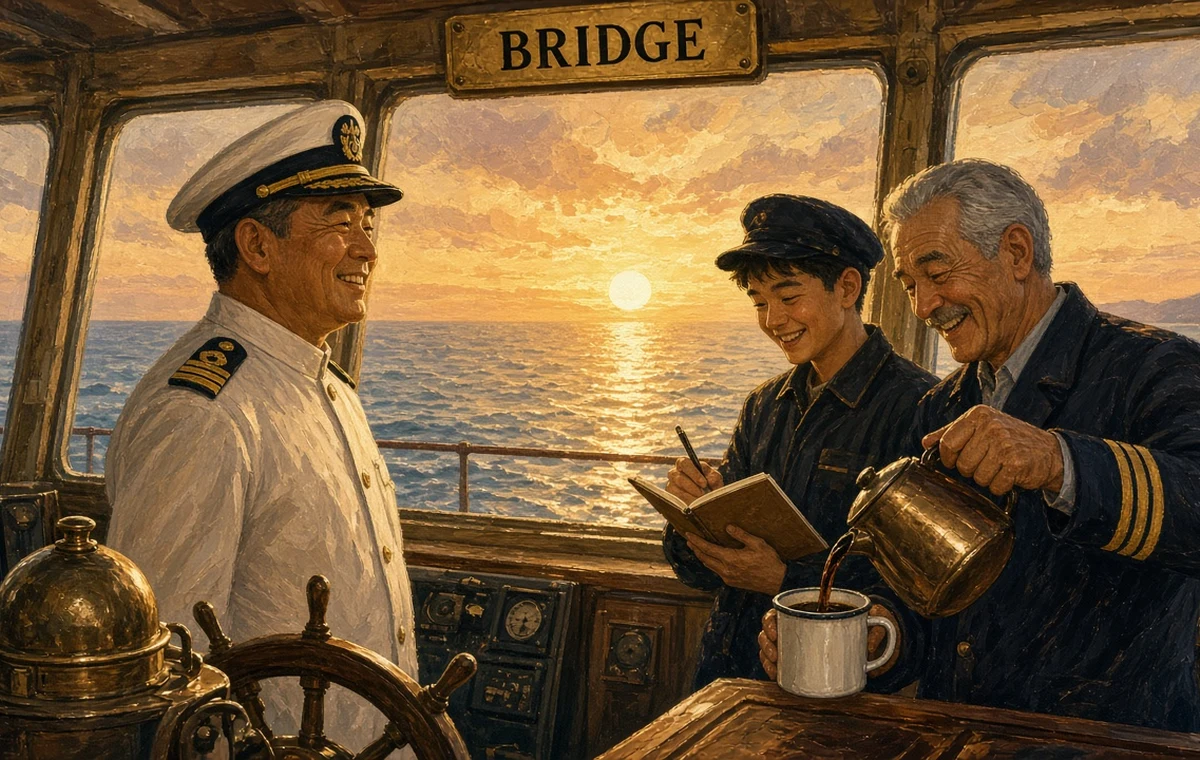
His voyage came centuries after Magellan's, but the study argues it matters because the history of Korean shipping is woven into it. The same is true of national maritime stories elsewhere: the US marks National Maritime Day every May 22 to honor merchant mariners, and Britain flies the Red Ensign on Merchant Navy Day each September 3. Both remind people that trade depends on the crews nobody sees.
How do these famous voyages compare?
| Voyage | Period | Why it matters | The debate |
|---|---|---|---|
| Magellan and Elcano | 1519 to 1522 | First voyage around the globe | Magellan died on the way; survivors finished it |
| Francis Drake | 1577 to 1580 | First captain to lead a circumnavigation from start to end | Celebrated in England, seen as piracy by Spain |
| Bae Sun-tae | After 1945, in Korea's modern shipping era | First Korean captain to circle the world | Little known despite its role in Korean trade history |
Set side by side, the three stories show that fame and importance are not the same thing. The European voyages opened new routes, while the Korean one marks the moment a young trading nation could send its own captains anywhere on the map.
What is this assignment really saying?
The study does not stop at praising one person. It uses him to survey Korean sea transport as a whole, which is why it explains the concept and history of shipping before introducing the man himself.
Student money tip on CampusDown Repair Up: Is a small leak worth a renters insurance claim? How to decide.
Shining a light on a pioneer of Korea's own seas, rather than the usual foreign explorers, invites readers to look at the roots of the trade economy they rely on. For English-speaking students, the same lesson applies at home: behind every cheap import is a long line of captains, pilots and dockworkers whose names rarely make the textbooks.
Three-line summary
Shipping means moving people and goods by sea, and in its broad sense covers ports, ships, organizations, policy and rules. The study dates Korean shipping to 1945 and credits sea transport with building Korea's trading strength. Bae Sun-tae, the first Korean captain to circle the globe, embodies that history across two generations.
Reference: Stopford, M. (2009). Maritime economics (3rd ed.). Routledge, a standard text on how shipping markets shape trade.
FAQ
What is shipping in the broad sense?
It covers ports, ships, shipping organizations, national policy and domestic and international rules and conventions related to sea transport.
Did Magellan complete the voyage around the world?
No. He was killed in the Philippines in 1521, and a small group of survivors under Elcano returned to Spain in 1522.
Who was the first captain to lead a circumnavigation from start to finish?
Francis Drake, who sailed the Golden Hind around the world between 1577 and 1580, is often given that title.
When did Korean shipping begin?
The study dates it to 1945, the year Korea was liberated from colonial rule.
Who is Bae Sun-tae?
He was the first Korean captain to sail around the world and a veteran mariner whose career spanned two generations of Korean shipping.