
Why Is Smoking More Dangerous for Teenagers? Risk Factors, Nicotine Addiction and Prevention
- Tobacco smoke damages blood vessels, raises blood pressure and heart rate, and reduces the blood's ability to carry oxygen.
- Family smokers, unhappiness at school, friends who smoke and low self-esteem or self-control are linked with teenage smoking.
- Starting young deepens nicotine dependence, which is why the US and UK focus on delaying the first cigarette or vape.
Contents
Smoking is more dangerous for teenagers than for adults because their bodies and brains are still developing and nicotine dependence takes hold faster and deeper when the habit starts young; the earlier someone starts, the more likely they are to become a daily smoker as an adult. This guide looks at what tobacco smoke does to the body, which teenagers are most at risk, why adolescence is such a vulnerable window, and how the United States and the United Kingdom are trying to keep young people away from cigarettes and vapes.
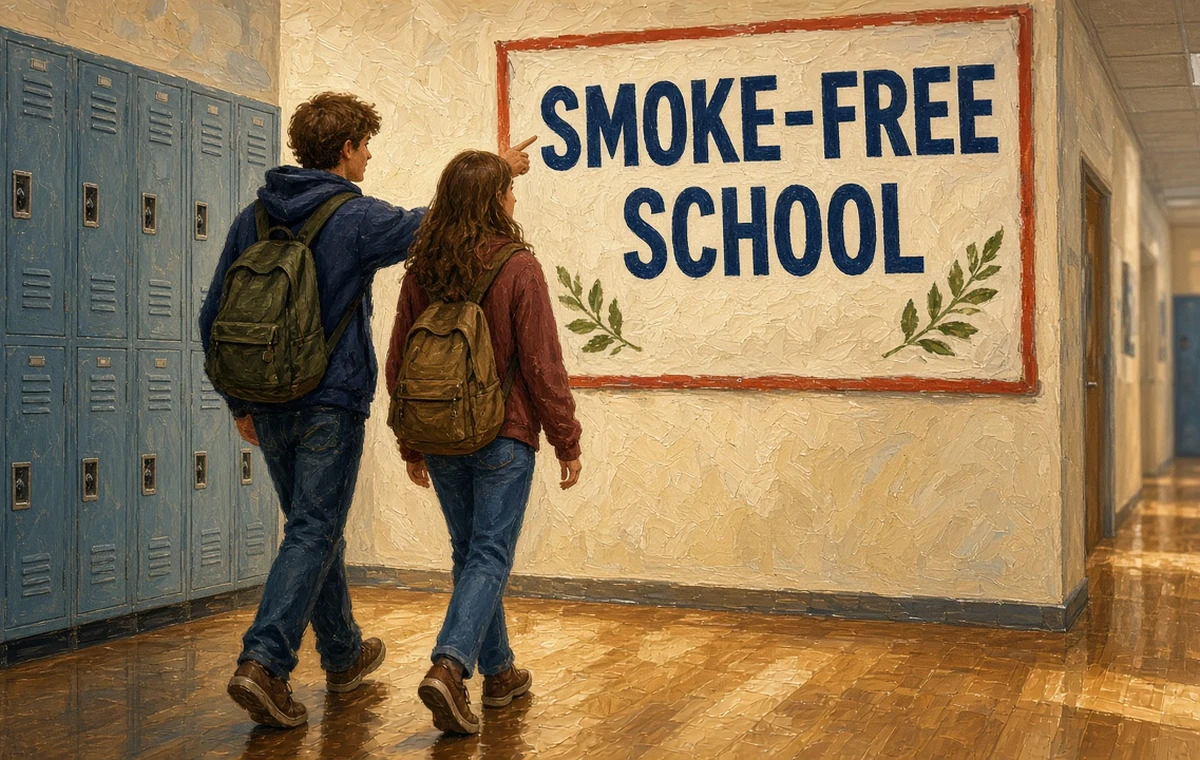
Adult smoking rates have been falling for decades, so why do parents and teachers still worry about teenagers? Because almost every lifelong smoker started young, and the teenage years are when a casual experiment can quietly turn into a dependency.
What does tobacco smoke do to the body?
The source material notes that tobacco smoke is a cocktail of chemicals, toxic compounds and dozens of carcinogens. It is worth updating the number it gives: the US Surgeon General's reports describe more than 7,000 chemicals in tobacco smoke, of which around 70 are known to cause cancer, rather than the roughly 40 carcinogens the source mentions.
Student money tip from CampusDown Life UpHow to search official databases for unclaimed money in your name — free state and federal searches, and how to avoid paid finders and scams.
These substances damage the inner lining of blood vessels and encourage atherosclerosis, harming the whole body. Smoking raises peripheral resistance, blood pressure and heart rate while carbon monoxide reduces the blood's ability to carry oxygen, which is why it is a direct cause of lung cancer, heart disease and respiratory illness.

Which teenagers are more likely to smoke?
Risk factors cluster across several parts of a young person's life, from home and school to friends and personal psychology. The table below summarises the factors identified in the source.
| Area | Risk factor |
|---|---|
| Family | A smoker at home, or parents who seem indifferent or tolerant towards smoking |
| School | Dissatisfaction with school life and low academic achievement |
| Friends | Many friends who smoke, or lots of time spent with them |
| Economic | Lower household income |
| Psychological | High anxiety, low self-esteem, low self-efficacy and weak self-control |
Because the risks are spread across so many settings, prevention cannot rely on a single assembly or poster. Families, schools and peer groups all have to pull in the same direction for the message to stick.
Skimming the section headings first makes a long guide much easier to map out. Try writing down one question of your own as you read.
Why is teenage smoking so serious?
First, teenagers are still growing, so their cells and tissues are more vulnerable to the damage caused by smoke. Second, the adolescent brain is especially sensitive to nicotine, so people who start smoking as teenagers tend to become more strongly dependent than those who start as adults.
The US Surgeon General's 2012 report on youth found that nearly nine in ten adults who smoke daily first tried a cigarette by the age of 18. Starting early is also linked with heavier smoking and a higher lifetime risk of lung cancer, which is why delaying that first cigarette matters so much. The source also mentions rising smoking among teenage girls; recent surveys in several countries suggest the traditional gap between boys and girls has narrowed, especially for vaping.
How are the US and UK protecting young people?
In the United States, a federal law signed in December 2019 raised the minimum age for buying any tobacco product, including e-cigarettes, from 18 to 21, an approach known as Tobacco 21. The Food and Drug Administration also runs youth-focused campaigns such as The Real Cost, which uses short, blunt videos about addiction and harm. National youth tobacco surveys show that e-cigarettes have been the most commonly used tobacco product among American teenagers for about a decade, and that use has fallen substantially since its 2019 peak.
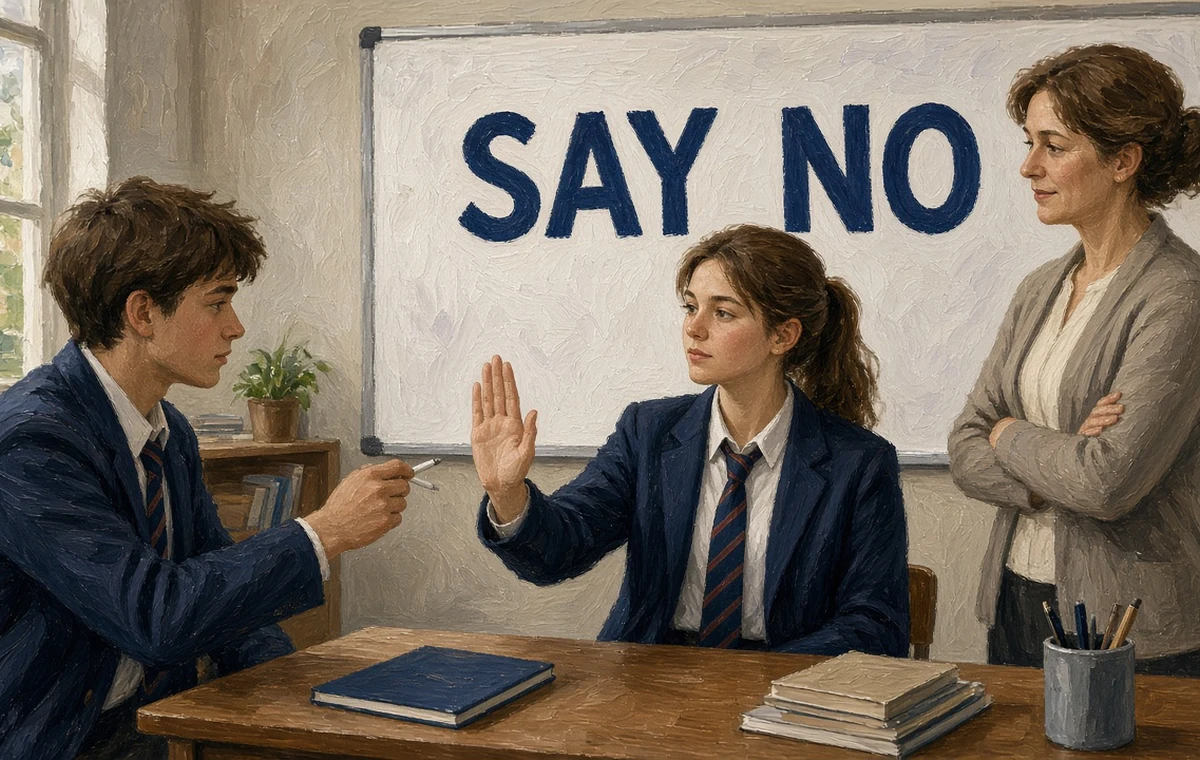
The UK's push for a smoke-free generation
In the United Kingdom, it has been illegal to sell tobacco to under-18s since 2007, and sales of single-use disposable vapes were banned across England, Scotland and Wales from June 2025 after concern about bright, sweet-flavoured products aimed at young people. The government's Tobacco and Vapes Bill set out a plan for a smoke-free generation, under which anyone born on or after 1 January 2009 would never legally be sold tobacco. Free NHS stop-smoking services and campaigns such as Stoptober give young adults a route out if they have already started.
| Item | Korea (source perspective) | United States | United Kingdom |
|---|---|---|---|
| Legal purchase age | Sales to minors prohibited | 21 for all tobacco and e-cigarettes (Tobacco 21) | 18; smoke-free generation plan for those born from 2009 |
| Main concern | Early starters and rising use among girls | Youth vaping | Disposable vapes and flavours |
| Key tools | Family, school and peer guidance | FDA youth campaigns, age checks | Disposable vape ban, NHS stop-smoking services |
All three approaches share the same logic as the source: make the first cigarette harder to get, make it less attractive, and offer help early to anyone who is already hooked.
Where should prevention focus?
Turning the risk factors around shows where prevention should aim. Parents who do not smoke and who show genuine interest, support for adjusting to school, guidance on friendships and activities that build self-efficacy and self-control can all act as protective factors.
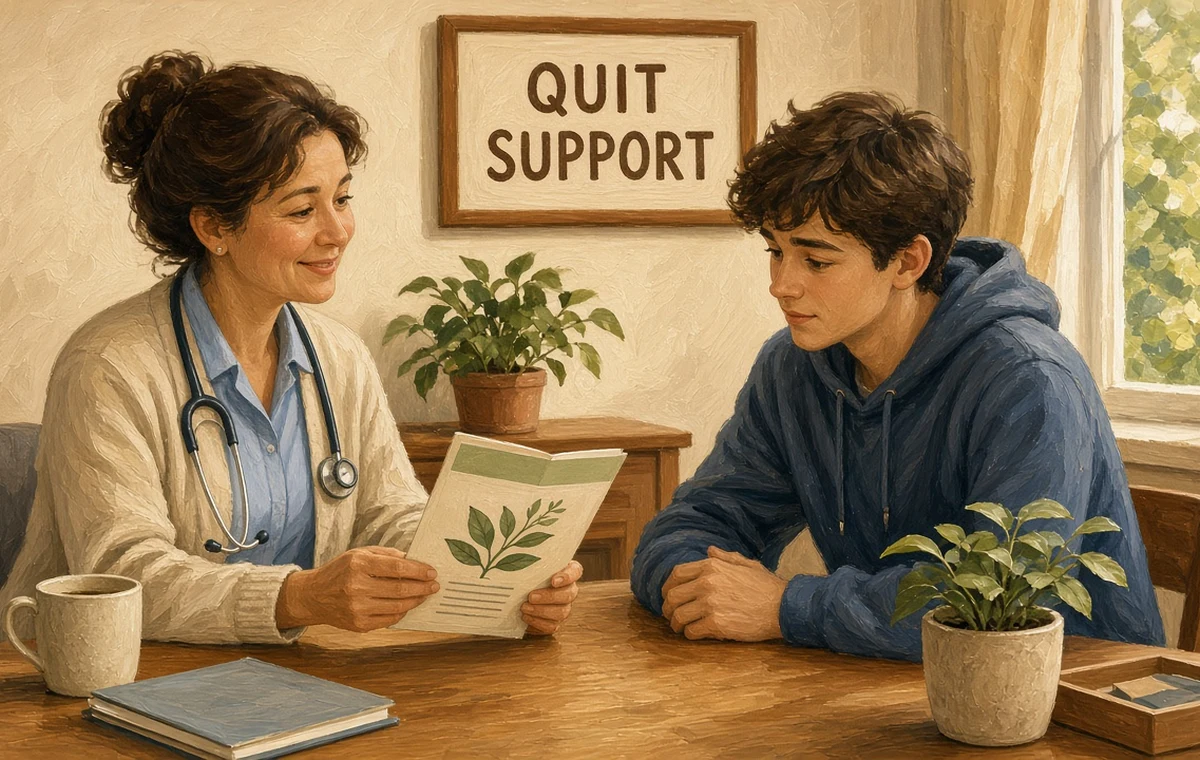
- Parents showing clear interest and a firm, consistent attitude towards smoking
- Practising refusal skills for when friends offer a cigarette or vape
- Teaching healthy ways to manage stress and anxiety
The most durable protection comes when teenagers genuinely believe they can say no. Confidence in their own ability to refuse often outlasts any warning label.
How should you structure an assignment on this topic?
A report on teenage smoking flows naturally if it covers the physical effects of smoke, the main risk factors, why adolescence is especially risky and finally prevention strategies, with risk factors grouped in a table by area. For the brain side of the story, see the neuropsychology of addiction, and for the confidence that underpins refusal skills, see self-efficacy.
Student money tip on CampusDown Life Up: How to search official databases for unclaimed money in your name.
End with a recommendation for prevention programmes that involve both schools and families. Delaying the first cigarette remains the single most reliable form of prevention.
Reviewed by the CampusDown editorial team, November 2026. Reference: U.S. Department of Health and Human Services. (2012). Preventing Tobacco Use Among Youth and Young Adults: A Report of the Surgeon General. Centers for Disease Control and Prevention.
FAQ
Why is smoking worse for teenagers than adults?
Their bodies and brains are still developing, so tissues are more vulnerable and nicotine dependence becomes stronger when smoking starts young.
How many carcinogens are in tobacco smoke?
US Surgeon General reports describe more than 7,000 chemicals in tobacco smoke, of which around 70 are known to cause cancer.
What is Tobacco 21?
A US federal law signed in December 2019 that raised the minimum age to buy any tobacco product, including e-cigarettes, to 21.
Are disposable vapes banned in the UK?
Yes. Sales of single-use disposable vapes have been banned in England, Scotland and Wales since June 2025.
What protects teenagers from starting to smoke?
Non-smoking, involved parents, support at school, refusal-skills practice and strong self-efficacy and self-control.