
What Do Kids Learn at KidZania? KidZos, Career Role-Play and Play Theory for Parents in the US and UK
- KidZania is a kid-sized indoor city where children about 4 to 14 try real jobs and earn a play currency called KidZos.
- Earning, banking and spending KidZos gives young children a concrete first taste of financial literacy.
- Piaget, Vygotsky and Parten help explain why role-play without parents builds rules, skills and cooperation.
Contents
KidZania is an indoor, kid-sized city where children aged roughly 4 to 14 try real jobs, from firefighter and pilot to bank teller, get paid in a play currency called KidZos, and decide for themselves how to spend or save it. For parents and education students, the interesting question is not whether it is fun (it is) but what kind of learning happens when children run a city on their own. Play theory from Piaget, Vygotsky and Mildred Parten gives a surprisingly clear answer.
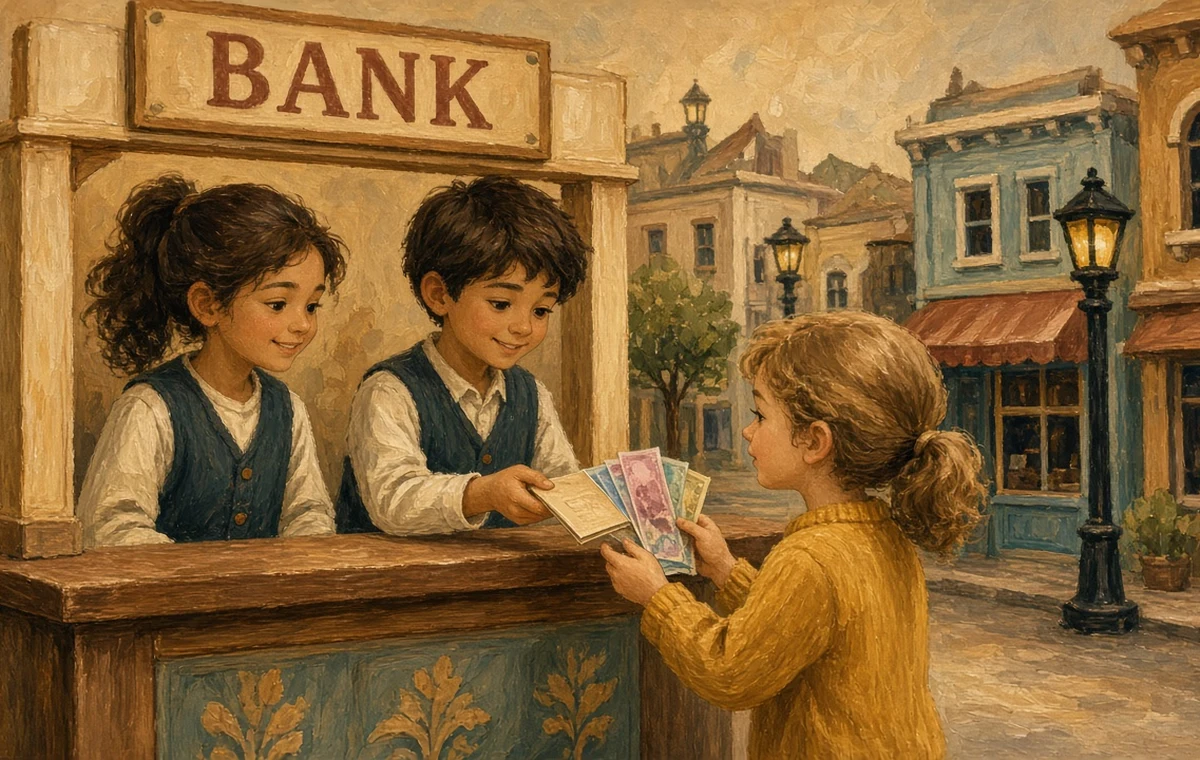
This guide walks through how the concept started, what the US park in Frisco near Dallas looks like today, what happened to KidZania London, how the KidZos mini-economy works as a financial literacy lab, and how to read the experience through classic play theory.
Where did KidZania start, and where can you visit in the US and UK?
The first park opened in 1999 in the Santa Fe district of Mexico City under the name "La Ciudad de los Niños" (The Children's City). The model then spread worldwide, with Tokyo in 2006 as the first location outside Mexico. Each city is built at roughly two-thirds scale, with streets, a hospital, a fire station, a TV studio and an airport, and many "establishments" are sponsored by real brands.
Student money tip from CampusDown Life UpHow to Find Unclaimed Money in Your Name — How to find unclaimed money in your name for free: official state databases via NAUPA and MissingMoney.com, federal searches like Treasury…
In the United States, KidZania Dallas opened in November 2019 inside Stonebriar Centre in Frisco, Texas, as the brand's first US location. Children enter through a real Boeing 737 fuselage, each activity takes about 15 to 25 minutes, and groups of 4 to 10 kids rotate through jobs on a schedule. Proposals for other US cities, such as Chicago and New York, were announced over the years, but Frisco remains the flagship most American families can actually visit.
| Location | Opened | Status in 2026 | Notable detail |
|---|---|---|---|
| Mexico City (Santa Fe) | 1999 | Operating | The original "Children's City" |
| Frisco, Texas (KidZania Dallas) | 2019 | Operating | First US park, entry through a Boeing 737 fuselage |
| London (Westfield, Shepherd's Bush) | 2015 | Closed January 2024 | About 2.5 million visitors over eight years |
The UK story is more bittersweet. KidZania London opened in 2015 at Westfield London in Shepherd's Bush and welcomed about 2.5 million visitors, but it announced an immediate closure in January 2024 after its operating company went into liquidation. For British families, the lesson is that "edutainment" venues are businesses first: always check that a location is still operating before you plan a birthday around it.

How do KidZos teach kids about money?
Every child receives a starting cheque in KidZos and earns more by completing jobs. They can cash the cheque at the bank, open an account, use a card at a kid-sized ATM, and spend KidZos at shops or on "training" activities that cost money rather than pay it. This simple loop of earning, saving, spending and sometimes paying for education mirrors the core of most school financial literacy standards.
- Earning: money is linked to effort and time, not to asking a parent.
- Banking: depositing makes saving visible, and a balance can grow across repeat visits.
- Spending trade-offs: a souvenir now, or enough KidZos for a pricier activity later?
- Paying for skills: some activities charge KidZos, a gentle first brush with the idea of investing in training.
This lines up neatly with what schools are now asked to teach. Financial education has been part of the secondary citizenship curriculum in England since 2014, and a fast-growing list of US states now requires a standalone personal finance course before high-school graduation. A KidZania visit will not replace that teaching, but it gives younger children a concrete memory to hang it on: "Remember when you saved your KidZos for the pilot job?"
Skimming the section headings first makes a long guide much easier to map out. Try writing down one question of your own as you read.
What does play theory say about career role-play?
Parents often ask whether pretending to be a surgeon for 20 minutes is "real" learning. Developmental psychology has been answering that question for nearly a century, and the answer is a qualified yes.
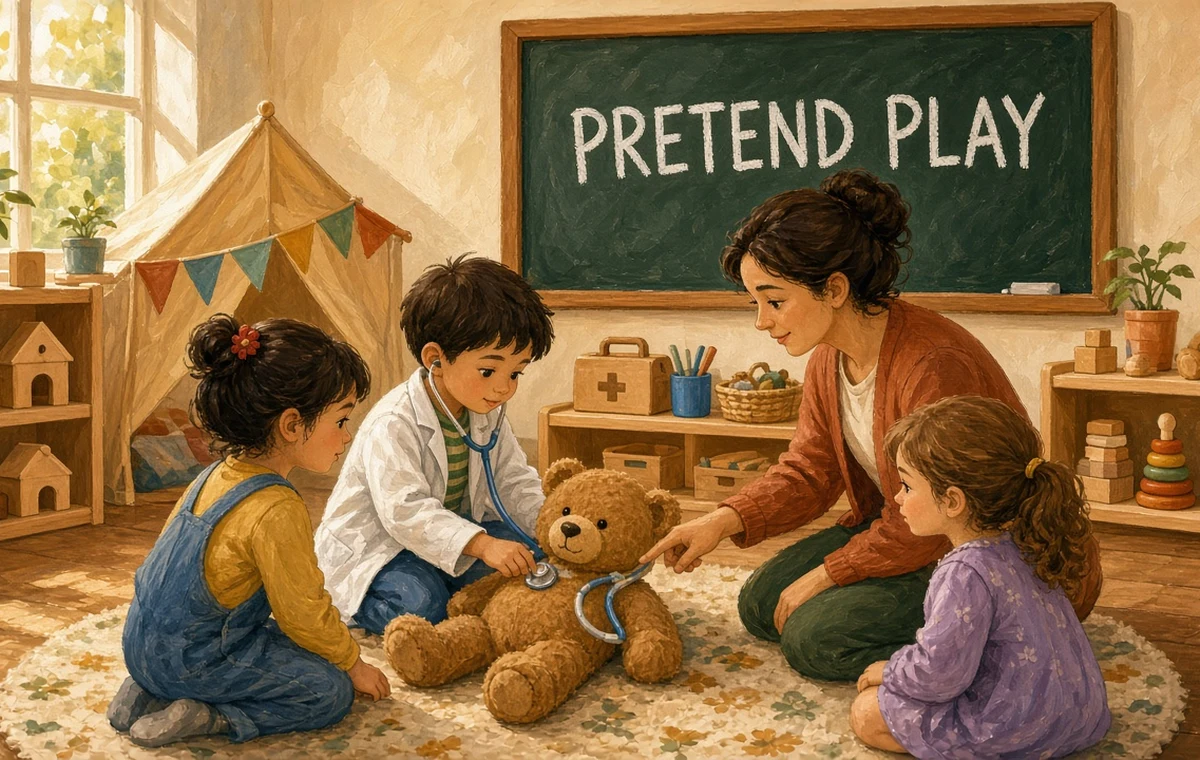
Piaget described a shift from practice play to symbolic (pretend) play in early childhood and then to games with rules around school age. A KidZania job combines both: children pretend to be adults, but within real rules, time limits and procedures. You can read more about his stages in our Piaget's cognitive development entry.
Vygotsky went further, arguing that in play a child behaves "a head taller" than in everyday life. Role-play creates a zone of proximal development: with a supervisor modelling the steps, a 7-year-old can follow a recipe, read a gauge or file a news story that would be out of reach alone. See our Vygotsky's zone of proximal development page for the theory.
Mildred Parten's 1932 stages of social play (solitary, onlooker, parallel, associative and cooperative play) are a useful lens too. Because parents cannot join the queues, children often work alongside strangers. You may see a shy child move from onlooker to cooperative play within a single firefighting mission.
| Theorist | Key idea | What it looks like at KidZania | Question to ask your child afterwards |
|---|---|---|---|
| Piaget | Symbolic play, then games with rules | Wearing a uniform and following job steps | "What were the rules in your job?" |
| Vygotsky | Zone of proximal development | Supervisor models, child takes over | "What could you do by the end that you couldn't at the start?" |
| Parten | Stages of social play | Teaming up with kids they just met | "Who did you work with, and what did they do?" |
One fair critique comes from the Montessori tradition. Maria Montessori favoured "practical life" activities with real tools over make-believe, and some parents see heavy brand sponsorship as advertising aimed at children. Both points are worth discussing. The strongest learning usually happens when an adult helps the child connect the day's role-play to real life at home.
How can parents and teachers get more learning out of a visit?
A ticket alone does not guarantee learning. A few small moves before and after the visit turn a fun day into a story your child can retell and build on.
Student money tip on CampusDown Life Up: How to Find Unclaimed Money in Your Name.
- Let the child plan the route. Show the map and let them choose between "earning" jobs and "spending" activities.
- Hold back at the queue. Children wait and negotiate on their own; that is part of the design.
- Debrief with three questions. What did you earn, what did you spend, and what would you do differently?
- Bring the economy home. A jar for saving and a chart of chores can extend the KidZos lesson for weeks.
Common mistakes
- Booking as many jobs as possible instead of letting the child choose.
- Stepping into the queue or the activity to "help".
- Treating the day as career guidance rather than exploration.
Compiled by the CampusDown editorial team from public information published by KidZania locations and coverage of the KidZania London closure, plus standard developmental psychology sources. Reviewed November 2026.
FAQ
Is KidZania London still open?
No. KidZania London at Westfield London announced an immediate closure in January 2024 after about eight years and 2.5 million visitors.
Where is KidZania in the United States?
KidZania Dallas is located in Stonebriar Centre in Frisco, Texas. It opened in November 2019 as the first KidZania in the US.
What are KidZos?
KidZos are KidZania's play currency. Children earn them by doing jobs and can deposit them at the bank or spend them in shops and on paid activities.
Can parents go into the activities with their children?
Generally no. Children queue and take part on their own with trained staff, while parents watch from outside. Check the rules of the specific location.
Which theories explain the learning in role-play?
Piaget's symbolic play, Vygotsky's zone of proximal development and Parten's stages of social play are the most commonly cited frameworks.