
Headfirst at 130 km/h: What Is Skeleton? From the Cresta Run to Yun Sung-bin's PyeongChang Gold
- Skeleton is a solo sliding sport raced head first and face-down, steered only by body weight at speeds that can top 130 km/h.
- It began on the Cresta Run in St. Moritz in 1884 and returned to the Olympics in 2002, where Team GB then medalled at every Games through 2018.
- At PyeongChang 2018, Yun Sung-bin won Asia's first Olympic sliding gold, and athletes' grace in victory and defeat became the Games' lasting message.
Contents
- How will PyeongChang 2018 be remembered?
- What is skeleton, and where did it come from?
- How does skeleton compare with bobsleigh and luge?
- Why are Team GB and the US so tied to skeleton?
- Why was Yun Sung-bin's gold so special?
- What sporting spirit did PyeongChang leave behind?
- What happened to the PyeongChang venues afterwards?
- FAQ
Skeleton is the Winter Olympic sliding sport in which an athlete sprints, dives headfirst onto a small sled and races face-down along an ice track, steering with tiny shifts of the shoulders and knees at speeds that can top 130 km/h. For years it was the sport most viewers only discovered every four winters. Then came PyeongChang 2018, when South Korea's Yun Sung-bin won gold on home ice and turned skeleton into a household word. This guide explains how the sport works, where it came from in the Swiss Alps, why British sliders became so dominant, and what Yun's run and the athletes around him taught us about sportsmanship.
How will PyeongChang 2018 be remembered?
The XXIII Olympic Winter Games opened in PyeongChang, South Korea, on 9 February 2018. In the run-up there were plenty of doubts, from ticket sales to the cold, but by the end the opening ceremony's clear message and the athletes' village, food and ice quality were widely praised.
Student money tip from CampusDown Life UpHow to Find Unclaimed Money in Your Name — How to find unclaimed money in your name for free: official state databases via NAUPA and MissingMoney.com, federal searches like Treasury…
Many images stuck: the mysterious human-faced bird in the opening ceremony, figure skating legend Kim Yuna lighting the cauldron, and athletes from North and South Korea marching together. Yet the moments people retell most are about the athletes themselves and the spirit they showed, which is the real legacy of any Games.

What is skeleton, and where did it come from?
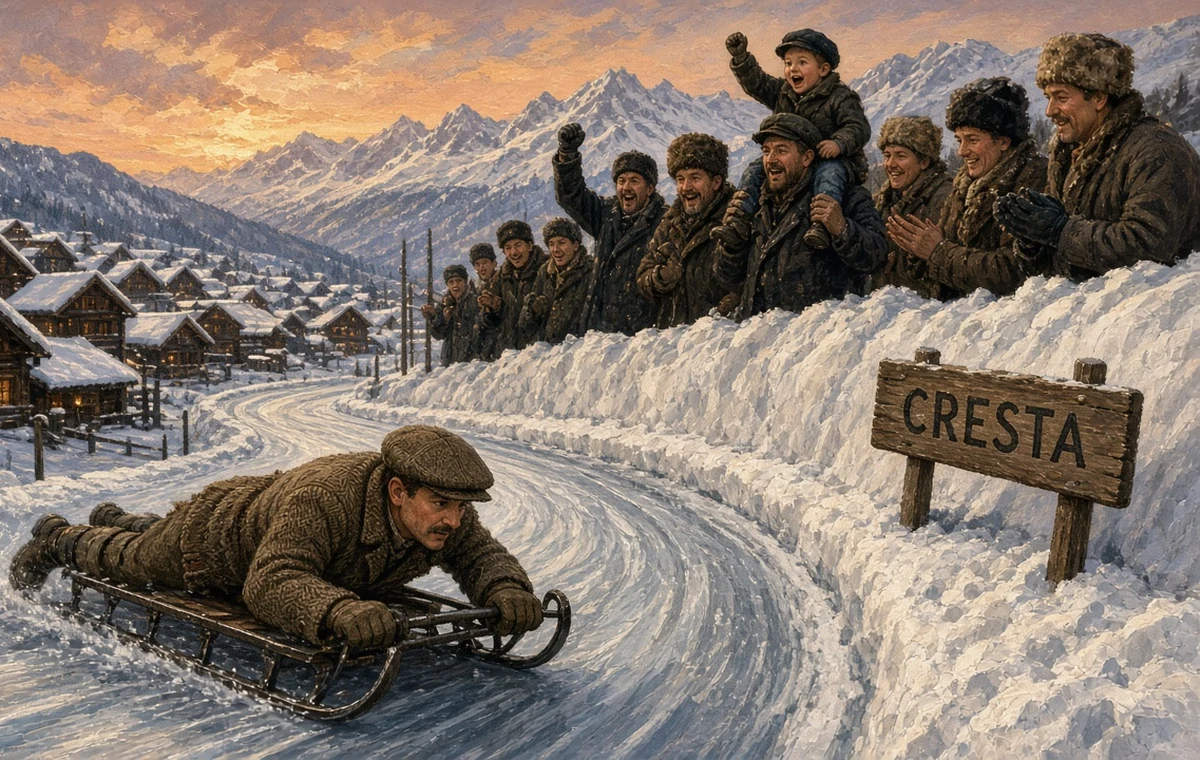
Skeleton's roots are in St. Moritz, Switzerland, where British winter visitors built the Cresta Run in 1884 and began racing toboggans down it lying on their stomachs. The sport's name is usually traced to the bony look of the early metal sleds. Skeleton appeared at the Olympics only when the Games came to St. Moritz in 1928 and 1948, then vanished for more than half a century, because few tracks existed and safety worries hung over headfirst sliding. It returned for good at Salt Lake City 2002.
- Position: face-down, head first, chin just centimetres above the ice.
- Start: a short, all-out sprint pushing the sled, then a dive on board.
- Steering: no brakes or handles; athletes steer with subtle pressure from shoulders, knees and toes.
- Risk: at full speed, small errors in a curve can mean crashes into the wall.
Physics does most of the work. Gravity pulls the sled down the track, while aerodynamic drag and ice friction fight back, so athletes make themselves as flat and still as possible; the gravity entry is a good primer on why tiny gains in the push matter so much over a minute-long run.
Skimming the section headings first makes a long guide much easier to map out. Try writing down one question of your own as you read.
How does skeleton compare with bobsleigh and luge?
All three sliding sports share the same refrigerated tracks, but they feel completely different from the inside.
| Sport | Position | Crew | Steering |
|---|---|---|---|
| Skeleton | Face-down, head first | Solo | Body weight shifts, no controls |
| Bobsleigh | Seated inside an enclosed sled | Two or four (plus women's monobob) | Pilot uses steering ropes |
| Luge | On the back, feet first | Singles or doubles | Calf and shoulder pressure on runners |
Luge is usually the fastest of the three, while bobsleigh starts are the most explosive. Skeleton sits in between, with the most exposed and arguably most nerve-testing position.
Why are Team GB and the US so tied to skeleton?
For a nation with no sliding track of its own, Great Britain has an extraordinary record. Team GB won a skeleton medal at every Winter Olympics from 2002 to 2018: Alex Coomber's bronze in Salt Lake City, Shelley Rudman's silver in Turin, Amy Williams' gold in Vancouver 2010, and Lizzy Yarnold's golds in Sochi 2014 and PyeongChang 2018, which made her the first British Winter Olympian to defend a title. Much of that success was built on a push-start track at the University of Bath and a talent-transfer approach that recruited sprinters and other athletes into sliding.
In the United States, Jim Shea Jr. won gold when skeleton returned at Salt Lake City 2002, continuing a family line of Winter Olympians. Lake Placid, New York, and Park City, Utah, remain the country's sliding hubs. Both stories show how much the sport depends on access to tracks, coaching and a pipeline for converting fast athletes into fearless sliders.
Why was Yun Sung-bin's gold so special?
South Korea has traditionally been stronger at the Summer Games, and outside short-track speed skating its winter medal haul was modest. Skeleton was seen as virtually barren ground. So when Yun Sung-bin won the men's skeleton title on the Alpensia track, by a margin of more than a second and a half over four runs, it was not just Korea's first skeleton gold but the first Olympic sliding gold for any Asian athlete.
Yun had taken up the sport only around 2012, as a high school student spotted for his explosive leg power. His confidence before the Games, complete with a superhero-style helmet, could have looked like bravado; instead it read as the energy of a young athlete who had put in the hours. His mental steadiness on the biggest stage is a textbook case of self-efficacy: the belief that you can execute, built from many successful practice runs on that very track.
Home advantage mattered, too. Athletes get limited training runs on an Olympic track, and Korean sliders had logged many runs at Alpensia before the Games. Combined with sports-science work on the push start, sled set-up and aerodynamics, Yun's gold was the product of personal grit and a support system working together.
What sporting spirit did PyeongChang leave behind?
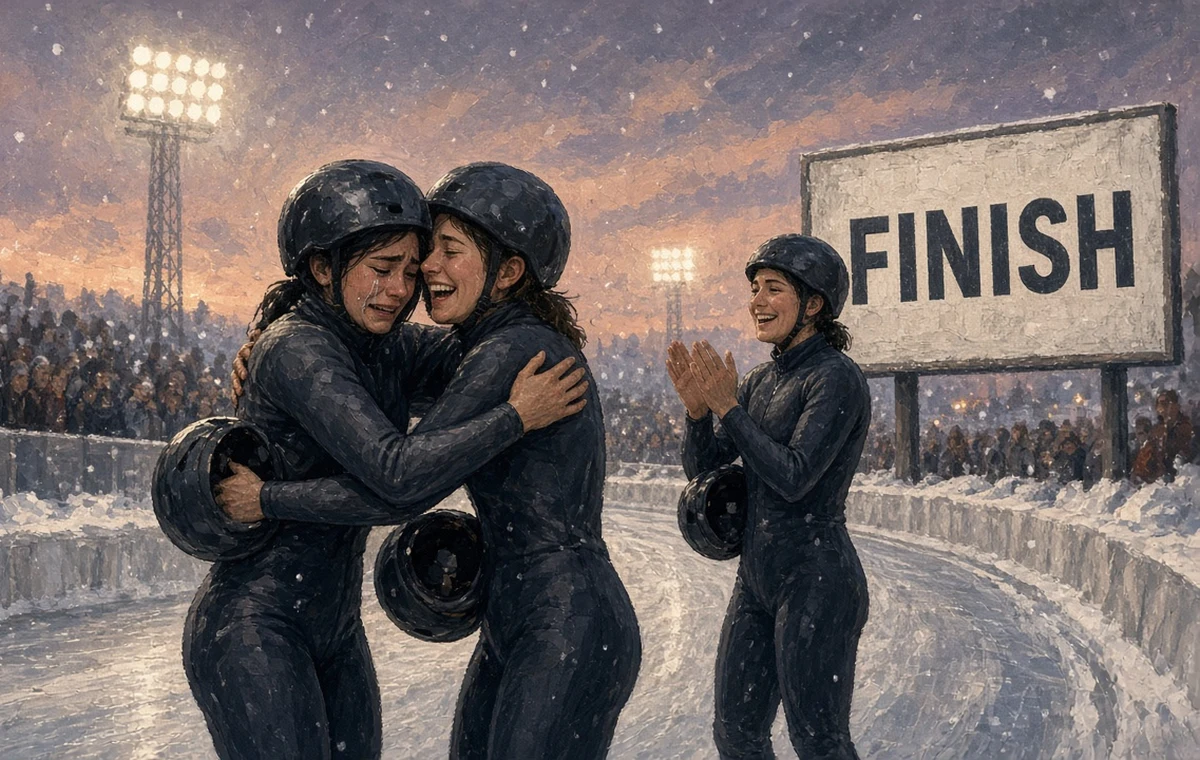
The scenes that moved people most were not always on the podium. Medallists' faces showed four years of patience and pride; athletes who finished outside the medals accepted the result, reflected on the work that got them there, and applauded rivals. Lizzy Yarnold, racing with a chest infection, and the many sliders who embraced competitors at the bottom of the track, showed the same thing in different ways.
PyeongChang also delivered memorable team moments for the host. South Korea's four-man bobsleigh crew tied for silver, and at the Paralympics that followed, cross-country skier Sin Eui-hyun won the country's first ever Winter Paralympic gold. Together they make a broader point: the Games are remembered for courage and grace as much as for medals.
What happened to the PyeongChang venues afterwards?
Like many Olympic sliding tracks, the Alpensia Sliding Centre faced hard questions after the Games about running costs and long-term use, a debate familiar to Turin and other former hosts. Judging an Olympics by medals alone misses half the story; what happens to the venues and to young athletes afterwards is part of the legacy too.
Student money tip on CampusDown Life Up: How to Find Unclaimed Money in Your Name.
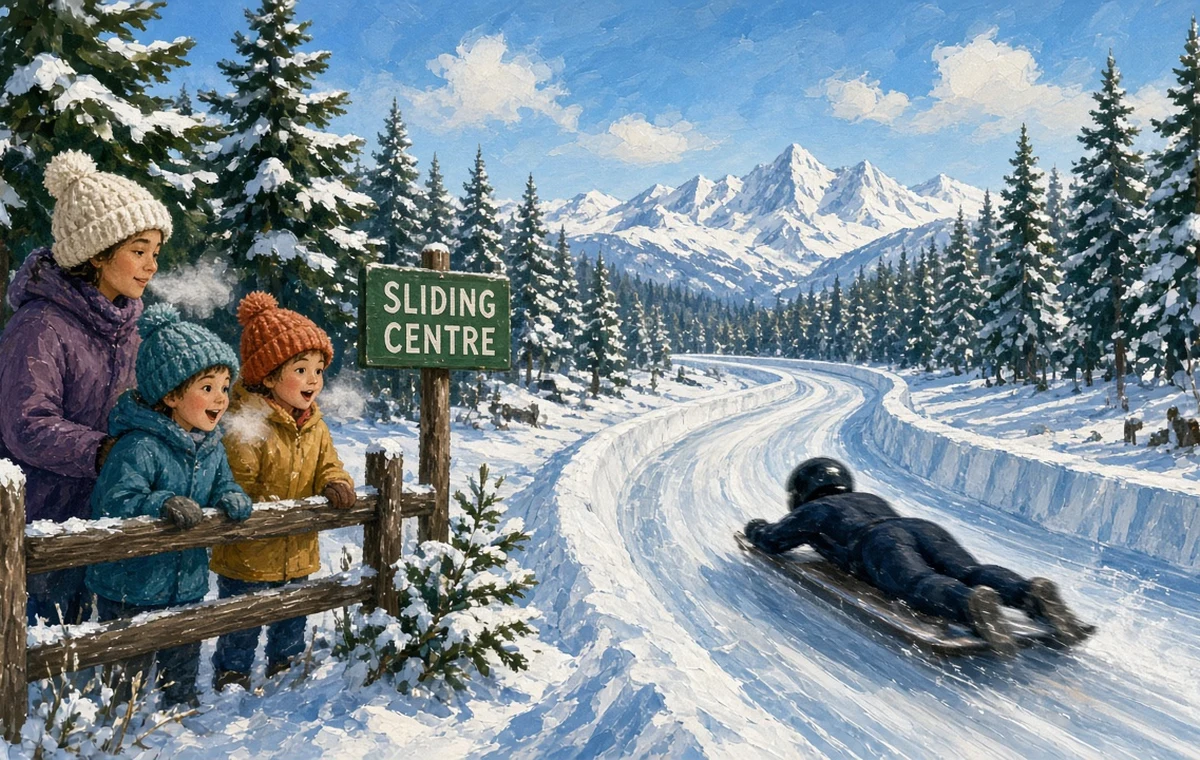
If you are watching skeleton for the first time, focus on two things: the explosive start, where tenths of a second are won or lost, and the body in the curves, where the best sliders look almost motionless. Watch the line through the tightest corners and you will see why this sport demands such fine control.
| Topic | Key point |
|---|---|
| Games | XXIII Olympic Winter Games, PyeongChang, opened 9 February 2018 |
| Sport | Skeleton: solo, head first and face-down |
| Origins | Cresta Run, St. Moritz, 1884; Olympic return 2002 |
| Landmark result | Yun Sung-bin, first Asian Olympic sliding gold |
| Legacy | Sportsmanship, venue reuse debates and a first Winter Paralympic gold for the host |
Reference: Loland, S. (2002). Fair Play in Sport: A Moral Norm System. Routledge. Examines fairness and the norms behind sportsmanship.
FAQ
What is the difference between skeleton and luge?
Skeleton athletes ride face-down and head first; luge athletes lie on their backs and go feet first. Both use the same tracks.
When did the PyeongChang Winter Olympics open?
The Games opened on 9 February 2018 in PyeongChang, South Korea.
Why was Yun Sung-bin's gold medal significant?
It was South Korea's first skeleton gold and the first Olympic sliding gold won by an Asian athlete, achieved on home ice.
Which British athletes have won Olympic skeleton gold?
Amy Williams won in Vancouver 2010, and Lizzy Yarnold won in Sochi 2014 and again in PyeongChang 2018.
Why is skeleton considered dangerous?
Athletes travel at very high speed lying head first with no brakes, so a small mistake in a curve can lead to a hard crash.