
The UDHR and the Empty Chair in Geneva: What the U.S. Skip Means
- NPR reported on November 10 that the United States missed its U.N. Universal Periodic Review for a second consecutive year, a first among member states.
- The Universal Declaration of Human Rights, which the United States helped to draft, is the older text behind that process.
- Leaving a council is not the same as being excused from a review that was designed to be universal.
Contents
The United States left an empty chair at its own human-rights review, for the second year in a row. NPR reported from Geneva on November 10 that no other U.N. member state had ever missed two consecutive sessions of the Universal Periodic Review. The review is supposed to be universal. That is the point of the word. The document that still sits behind the process is older: the Universal Declaration of Human Rights, adopted in 1948, which the United States helped to draft.
Leaving the Human Rights Council, as the State Department has done, is not the same as being excused from the review, NPR noted. The review is a process for all 193 member states. Rights groups, including the ACLU, traveled to Geneva anyway. The U.N. postponed hard decisions about how to respond until early next year, and rescheduled the U.S. review again, after a similar no-show in 2025.
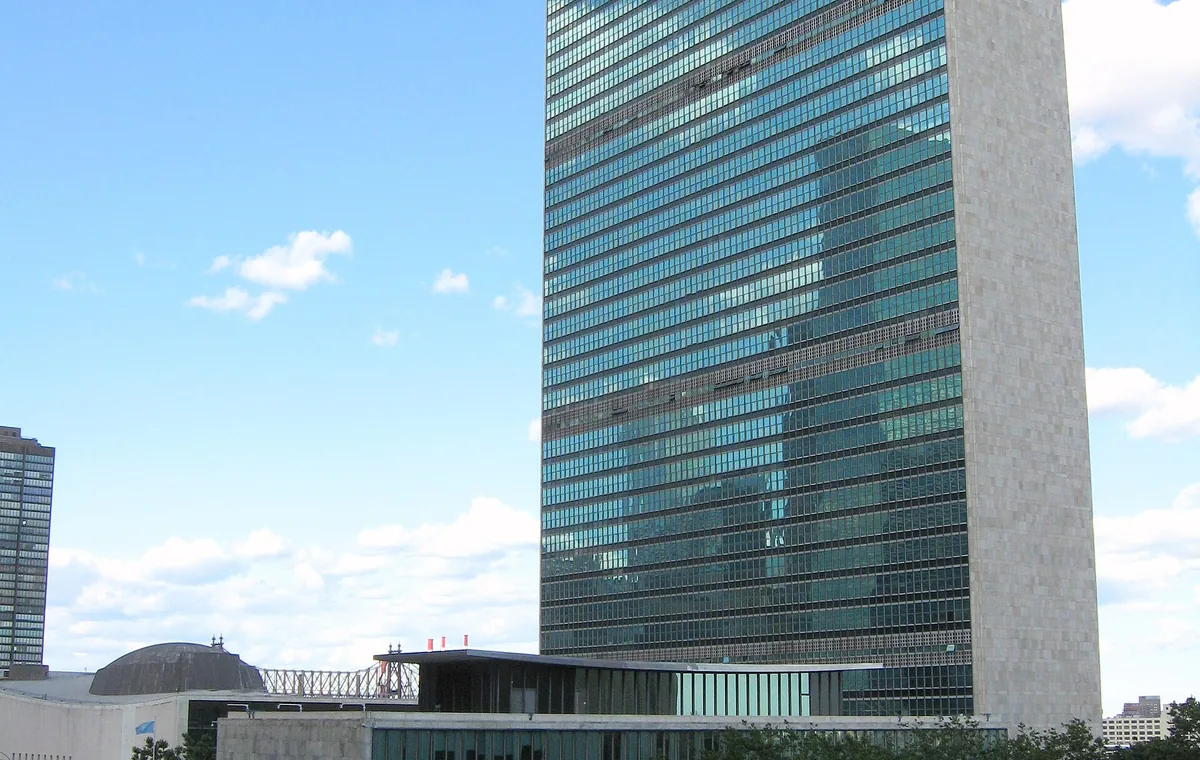
What the Declaration actually is — and is not
The UDHR is a declaration, not a treaty you can take to a domestic court by itself. Its power has always been political and moral: a common language for naming what a state owes people, including people it would rather not count. Articles on life, liberty, a fair hearing, asylum, and an adequate standard of living are not slogans from another century. They are the vocabulary this month’s fights are already using, whether or not anyone cites the number.
The U.S. legal system has its own, thicker body of rules. The wiki on U.S. immigration law and the page on refugee protection and non-refoulement are closer to the statutes and principles that a court will actually read. The Declaration is the backdrop. It is also the reason a missed review is more than a scheduling dispute.

Sovereignty is not an exemption from a ledger
A government can say, as the State Department did in the NPR report, that it will not sit in a forum it considers biased. That is a sovereignty claim. It does not erase the record other states and civil-society groups came to discuss. Sovereign immunity is a doctrine about when a government can be sued. It is not a doctrine about whether a government’s human-rights record can be described in public.
Human Rights Watch, in a November 6 statement, called for scrutiny of the U.S. record anyway, including immigration detention and enforcement. You do not have to accept every charge in that file to see the procedural fact: the usual place for a reply was empty.
Skimming the section headings first makes a long guide much easier to map out. Try writing down one question of your own as you read.
The rights that show up in ordinary rooms
Most readers will not go to Geneva. They will meet the same principles in smaller rooms: a roommate’s visa, a records request, a hearing. A practical page on international roommates and H-1B questions will not settle a diplomatic fight. It will keep a household from treating a person’s status as a rumor. A FOIA request for student journalism is a domestic tool for making a government explain itself — a quieter cousin of the review that did not happen.

What “universal” was supposed to cost
The Declaration’s bet was that no state, however powerful, would be entirely outside a common ledger. Missing two reviews does not repeal the text. It does test the bet. The useful question, after the postponement, is not whether Geneva is likable. It is whether there is still a regular place where a country as large as this one has to answer, in public, and whether anyone will notice if that place stays empty again next year.
FAQ
What happened in Geneva in November 2026?
The United States did not appear for its Universal Periodic Review, the second consecutive missed session. NPR reported that no other member state had ever done that.
Is the Universal Declaration a binding treaty?
No. It is a declaration. Its force has been political and moral, and it has shaped later treaties, not a single domestic cause of action by itself.
Does withdrawal from the Human Rights Council cancel the review?
According to the November 10 reporting, no. The review is a process for all 193 member states, not only for council members.
What happens next?
The U.N. postponed decisions about how to respond, and rescheduled the U.S. review again, as it had after a similar absence in 2025.
What is a domestic way to ask a government for an answer?
Tools such as a FOIA request, a hearing, or a court filing. They are not substitutes for a multilateral review, but they are how ordinary accountability often starts.
Academic reference search
Can't find the reference you need? Try academic search for references now.
Featured Guides
- LawA Buyer "Accidentally" Overpaid for My Old Desk. Something Feels OffSelling stuff online and a buyer overpays then asks you to send the extra back? A student…Read by 13 people
- AutoDealer or Independent Mechanic? How to ChooseWhen the dealer makes sense, the FTC warranty rule, and how to vet any shop.14 readers
- LawMy Buddy Asked Me to Cosign His Car Loan and I FrozeA friend or girlfriend asked you to cosign a car loan? A broke student's plain guide to…Read by 16 people
- LawMy Dad Cosigned My Private Loan. Can I Take His Name Off?Want your parent removed as cosigner on a private student loan? A grad's plain guide to…Read by 10 people
- LawMy Scholarship Covers Rent Too. Wait, Could That Be Taxable?Scholarship or grant money covering housing and food, not just tuition? A student's plain…13 readers