
The Born Korea Case Study: How Baek Jong-won Built a Multi-Brand Restaurant Franchise, What TV Fame Did, and Where CEO Risk Bites
- The Born Korea, founded in 1994, runs many franchise brands across coffee, Chinese-style food and barbecue.
- Its founder's TV fame turned into brand trust, cutting the need for paid advertising.
- That same dependence is a key-person risk, so a good report weighs opportunity and danger together.
Contents
The Born Korea, founded in 1994 by restaurateur and TV personality Baek Jong-won, is a textbook case of how a multi-brand restaurant franchise grows on the back of its founder's fame, and of the risk that comes with it. Korean viewers know Baek as the plain-talking chef who rescues struggling diners on television, and global audiences may have spotted him as a judge on Netflix's Culinary Class Wars. Behind the screen he runs a company with dozens of brands, which is why business schools love it as a case study. Here is how it works, and how it compares with franchise models in the US and UK.
The appeal for students is simple: the case shows, in one company, how personal reputation, brand portfolio and franchise economics feed each other. It also shows what happens when one of those three starts to wobble.
How did The Born Korea grow?
The company started in 1994 and built a portfolio of franchise brands in very different categories, including Paik's Coffee, the Chinese-Korean noodle chain Hongkong Banjeom and the barbecue chain Saemaeul Sikdang. In 2024 it listed on the main board of the Korea Exchange.
Student money tip from CampusDown Life UpHow to search official databases for unclaimed money in your name — free state and federal searches, and how to avoid paid finders and scams.
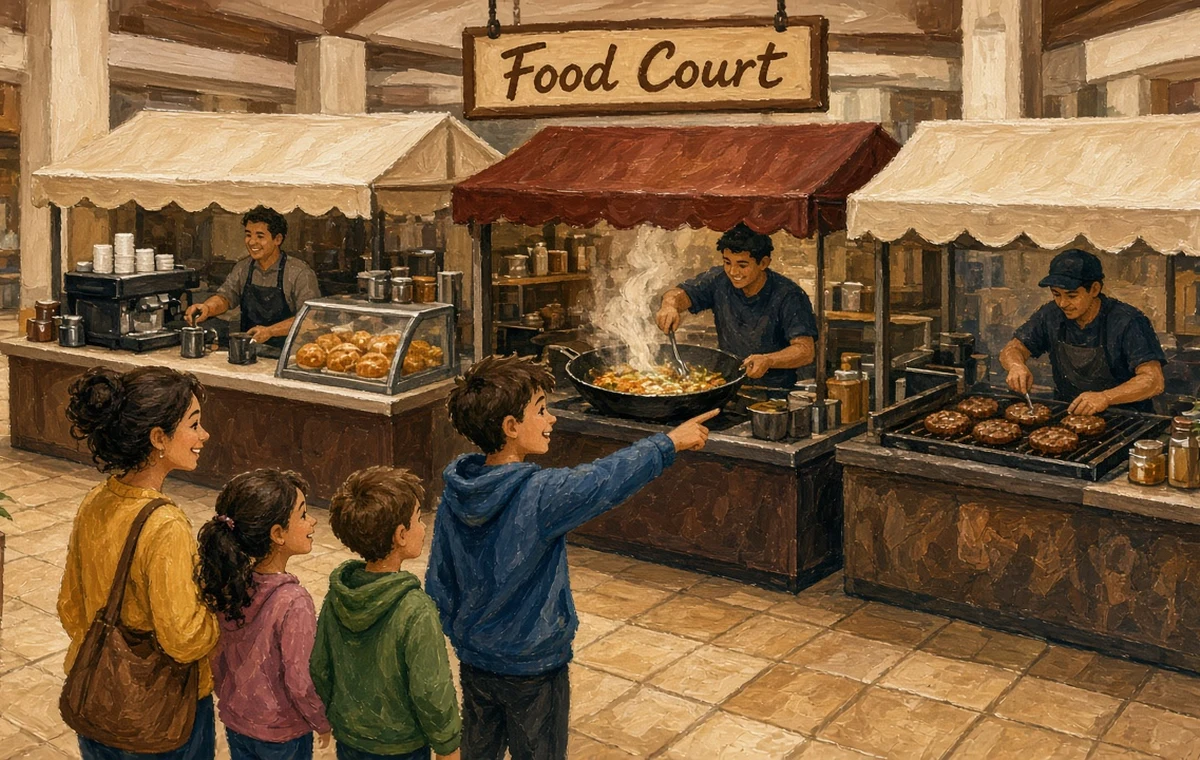
The defining choice was a multi-brand strategy: rather than going deep in one category, the company launched separate brands for coffee, Chinese-style dishes and Korean barbecue. American readers will recognise the logic from groups such as Yum! Brands, which runs KFC, Taco Bell and Pizza Hut side by side, or Inspire Brands, whose portfolio spans sandwiches, wings and doughnuts. Different brands can sit in the same mall without cannibalising each other, and a slump in one category does not sink the whole company.
In a report, open with a short table of the company's history and flagship brands. It lets the reader grasp the structure in seconds before you move on to analysis.

What does a SWOT analysis show?
| Category | Points |
|---|---|
| Strengths | Founder's fame, know-how in low-price standardised menus, broad brand portfolio |
| Weaknesses | Heavy dependence on the founder's personal image |
| Opportunities | Demand for value dining, home meal replacement products, overseas expansion |
| Threats | Disputes over franchisee profitability, slowing restaurant spending, more rival brands |
To turn these items into strategy rather than a list, use the SWOT analysis framework and pair each strength with an opportunity, and each weakness with a threat. When you cite press coverage under threats, always give the outlet and the date.
The strongest reports go one step further and ask which of the four boxes is changing fastest. For a founder-led brand, the answer is usually the weaknesses box, because public perception can shift in a single news cycle.
Skimming the section headings first makes a long guide much easier to map out. Try writing down one question of your own as you read.
What did TV exposure do for the brands?
When the founder appears on screen giving practical cooking tips and frank advice to restaurant owners, viewers start to trust the brands he built. The company gains awareness that would otherwise cost a fortune in advertising. In the UK, celebrity chefs from Jamie Oliver to Gordon Ramsay have shown the same effect: a TV persona can open doors for restaurants, cookware and ready meals.

The other side: CEO risk
When a brand's image is concentrated in one person, every controversy around that person hits every brand at once. Analysts call this CEO risk or key-person risk. Americans saw a clear example in 2018, when the founder of Papa John's stepped down as chairman after a controversy and the pizza chain's sales and franchisees suffered. The Born Korea faced its own version in 2025, when a series of disputes over products and labelling weighed on its reputation and share price, and Baek said he would step back from broadcasting to focus on the business. A balanced report should describe both the opportunity and the risk.
The lesson is not that founders should hide, but that a growing company needs management systems, quality controls and a brand identity that can stand on their own when the founder is off screen.
What can franchise management teach us?
In a franchise, the franchisor supplies the brand and the operating system, and the franchisee pays to use them. A simple, standardised menu lets first-time owners open quickly, but as more outlets crowd the same neighbourhood, franchisees can end up competing with each other.
How the US and UK protect franchisees
In the United States, the FTC Franchise Rule requires franchisors to give prospective buyers a Franchise Disclosure Document at least 14 calendar days before signing or paying. The document has 23 sections, and Item 19 is where a franchisor may disclose financial performance figures. The UK has no franchise-specific statute; instead the British Franchise Association sets a code of ethics for its members, and ordinary contract and competition law applies. Korea sits closer to the US model: the Fair Trade Commission publishes franchisors' disclosure documents online.
| Item | Korea | United States | United Kingdom |
|---|---|---|---|
| Main rule | Fair Franchise Transactions Act | FTC Franchise Rule | No specific statute; general contract and competition law |
| Disclosure | Disclosure documents published by the Fair Trade Commission | Franchise Disclosure Document, 14 days before signing | Voluntary, through British Franchise Association membership |
| Where to check data | KFTC franchise portal, DART filings | FDDs filed in registration states | Company accounts at Companies House |
That is why a good analysis looks at the franchisor's growth and the franchisees' profitability side by side. Adding average outlet sales or closure rates from official disclosures makes the analysis far more convincing.
How should you write the business report?
A safe structure is: introduction on the restaurant franchise market; body on company history, brand portfolio, SWOT, marketing and franchise structure; conclusion on what sustainable growth would require. Keep facts and opinions clearly separate whenever you assess an individual.
Student money tip on CampusDown Life Up: How to search official databases for unclaimed money in your name.
If you want to analyse the founder's leadership, the leadership theories framework lets you separate traits, behaviours and situational factors. It turns the section into an exercise in applying theory rather than judging a person.
Reviewed by the CampusDown editorial team, October 2026, against textbooks and primary sources including Korea Fair Trade Commission disclosure documents, The Born Korea's DART filings and franchise management texts.
FAQ
When did The Born Korea go public?
It listed on the main board of the Korea Exchange in 2024.
What is CEO risk or key-person risk?
It is the danger that one leader's behaviour or reputation moves the value of the whole company, which is especially strong when brands are built around a founder's personal image.
What is a Franchise Disclosure Document?
Under the US FTC Franchise Rule, it is a 23-item document franchisors must give buyers at least 14 calendar days before they sign or pay, covering fees, litigation and other key facts.
Is there a franchise law in the UK?
There is no franchise-specific statute. Franchising is governed by general contract and competition law, and many franchisors follow the British Franchise Association's code of ethics.
Why do restaurant groups run several brands instead of one?
Separate brands can target different categories and customers, share purchasing and know-how, and spread risk so a slump in one segment does not sink the whole group.