
Rawls, Nozick and the Thanksgiving SNAP Cuts: Who Owes What When the Pantry Line Runs Out
- NPR described Thanksgiving pantry lines after SNAP rules tightened, including a Canton, N.Y., pantry that ran out.
- CBPP estimates cited by Vox put the drop at about 5.5 million people, including about 2 million children, between July 2025 and July 2026.
- Rawls asks whether the least advantaged are better off; Nozick asks whether the transfer itself is a just claim — and neither view erases the paperwork that now
Contents
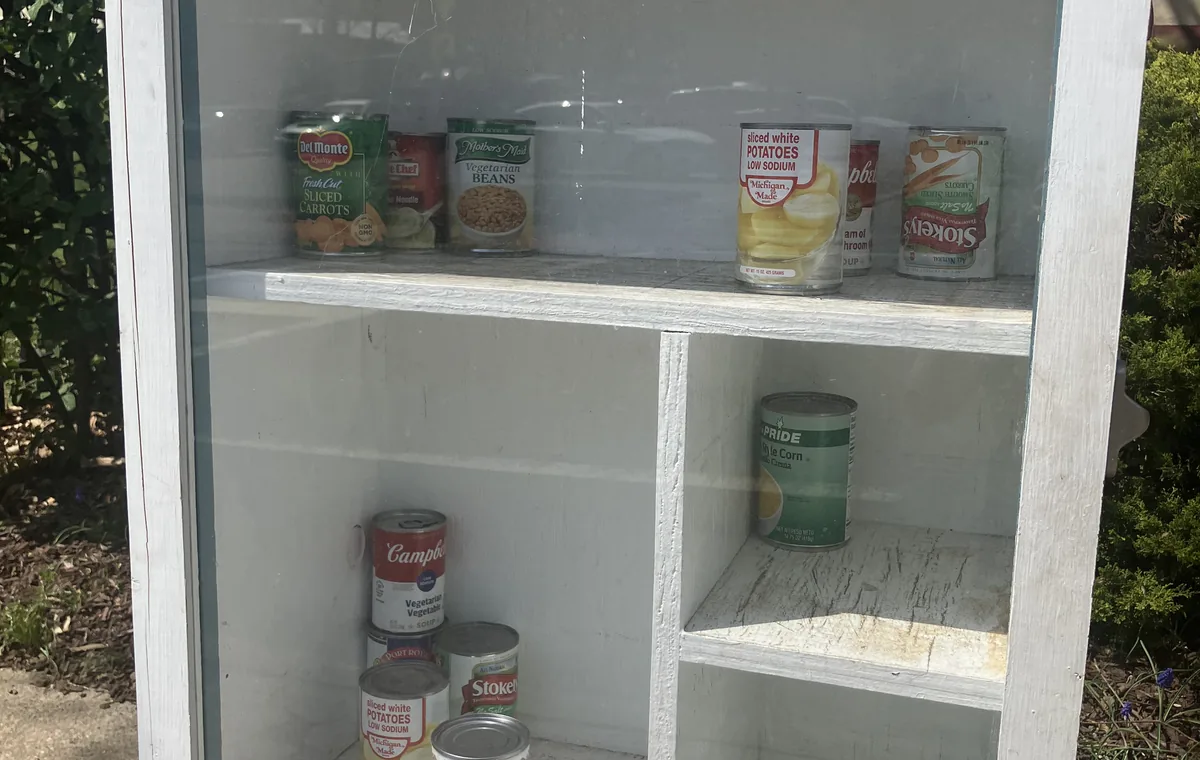
In Canton, New York, a food pantry ran out. A line of people was turned away. NPR reported the scene on November 24, a few days before Thanksgiving, as one local picture of a national change: millions of people have left the Supplemental Nutrition Assistance Program since Congress rewrote the rules last year.
There is a philosophical argument hiding under the folding tables. It is the same argument mapped in the wiki on distributive justice as Rawls and Nozick framed it. One side asks what a fair basic structure would look like for the people with the least. The other asks whether a transfer is legitimate if it takes from holdings that were justly acquired. The pantry line does not resolve that argument. It does show why the argument is not a seminar game.
The left-leaning Center on Budget and Policy Priorities, cited in a Vox account of the past year’s drop, estimated that about 5.5 million people fell off SNAP between the law’s passage in July 2025 and July 2026, a 13 percent decline, including about 2 million children. NPR, working from the same period, described millions of people, including about 1.5 million children, losing benefits after the rules tightened. The exact child count differs by source. The direction of the change does not.
Rawls: start with the person who has the least
John Rawls asked what principles we would accept if we did not know our place in the society we were designing. His difference principle, laid out in more detail in the entry on Rawls’s theory of justice, allows inequalities only if they work to the benefit of the least advantaged. Food assistance is not a Rawls textbook. It is one of the few federal tools that operates close to that test: when it shrinks, the people at the bottom of the income distribution feel it first.
The One Big Beautiful Bill Act, as the 2025 law is called, raised the age of childless adults subject to work requirements from 55 to 64, tightened job-related rules for some parents, and made states share more cost and more risk for payment errors, according to the Vox report. Arizona’s SNAP participation fell by roughly half in a year, the same account said, and nine other states saw drops of more than 20 percent.
A Rawlsian reading does not require you to love every design of SNAP. It does ask a blunt question: after the change, are the least advantaged better off, or only more documented?

Nozick: start with how the holding was acquired
Robert Nozick’s entitlement theory starts somewhere else. If holdings were justly acquired and justly transferred, he argued, a patterned redistribution — even a compassionate one — can be an interference. Work requirements, in that light, are sometimes defended as a condition that keeps a transfer from becoming an unearned claim on someone else’s earnings.
That defense has to live with another fact in the reporting: people are losing benefits not only after a clear refusal to work, but after paperwork, transportation problems, injury, and state-level decisions to make reapplication harder. Lauren Bauer of Brookings, quoted by Vox, pointed to state policy changes aimed at payment-error rates and cost-sharing as a major reason enrollment has fallen faster.
You can hold a Nozick-like view about property and still care whether the procedure is fair. That is one reason procedural justice theory belongs in the same conversation. People judge a system not only by the outcome, but by whether the process felt knowable and even-handed. A 20-year-old in the NPR story, Nathan Vancourt, said he had lost SNAP and struggled to get back on under the new rules after a period of homelessness. Whatever theory you prefer, a process that a homeless applicant cannot complete is doing a kind of work.
Skimming the section headings first makes a long guide much easier to map out. Try writing down one question of your own as you read.
A third path that is not a compromise slogan
Restorative justice is usually discussed after a harm between people, not after a statute. The useful borrow is smaller: look at what was broken in a particular life, not only at a national average. A pantry that runs out has already told you something about unmet need in that county, that week.
Everyday tools sit next to the theory, unglamorously. If you are trying to see a household clearly, a simple monthly budget is a way to put rent, food, and transport on one page. If a paycheck is already being emptied by a court order, a guide to a wage garnishment notice on a student paycheck is more urgent than a seminar.
What the philosophy is for, this week
Rawls and Nozick will not tell a pantry volunteer how many turkeys to order. They will keep a public argument honest. If you favor the cuts, you should be able to say what just holding you are protecting, and what you owe to people who were eligible on paper and still fell off. If you oppose them, you should be able to say why the least advantaged are worse off, with figures attached, not only with outrage.
On November 19, Rep. Suzanne Bonamici introduced a bill aimed at helping people experiencing homelessness apply for SNAP, with outreach, transportation help, and training on deductions, according to her office. That is a procedural repair, not a new theory of justice. It may still be the kind of repair the last year has made necessary.
The test, after the holiday, is not who won a quotation. It is whether the line gets shorter because people have food, or because they stopped coming.
FAQ
How many people left SNAP, according to CBPP estimates cited in 2026?
About 5.5 million people between the law’s passage in July 2025 and July 2026, a 13 percent decline, including about 2 million children, according to the Center on Budget and Policy Priorities as cited by Vox.
What did NPR report from Canton, New York?
After a meal distribution, a food bank ran out and a line of people was turned away, in a November 24, 2026 report on pantry demand after SNAP cuts.
What is Rawls’s difference principle, in brief?
Inequalities are acceptable only if they benefit the least advantaged members of society.
What is Nozick’s main objection to patterned redistribution?
If holdings were justly acquired and transferred, forcing them into a pattern — even a compassionate one — can violate those entitlements.
Did every state see the same SNAP drop?
No. Vox reported that Arizona’s participation fell by roughly half, and that nine other states saw drops of more than 20 percent, with state-level implementation cited as a major factor.
Academic reference search
Can't find the reference you need? Try academic search for references now.
Featured Guides
- LawA Buyer "Accidentally" Overpaid for My Old Desk. Something Feels OffSelling stuff online and a buyer overpays then asks you to send the extra back? A student…Read by 13 people
- AutoDealer or Independent Mechanic? How to ChooseWhen the dealer makes sense, the FTC warranty rule, and how to vet any shop.14 readers
- KoreaBubble Tea (Boba) Part-Time Jobs in Korea for Foreigners: Duties, Pay, Perks and Visa Rules (2026)Bubble tea and boba franchise alba for foreigners in Korea: station duties, pearl timing,…Quick Guide
- LawMy Buddy Asked Me to Cosign His Car Loan and I FrozeA friend or girlfriend asked you to cosign a car loan? A broke student's plain guide to…Read by 16 people
- LawMy Scholarship Covers Rent Too. Wait, Could That Be Taxable?Scholarship or grant money covering housing and food, not just tuition? A student's plain…13 readers