
The Peak-End Rule at the Airport — and a Parade Moved to Saturday
- TSA expected 17.6 million screenings from November 24 to 30, with Sunday, November 29, as the peak return day at more than 3 million screenings.
- The 100th Macy’s Thanksgiving Day Parade was postponed from Thursday to Saturday, November 28, because of severe weather in New York.
- The peak-end rule says we will remember the worst moment and the ending, not the uneventful hour in between.
Contents
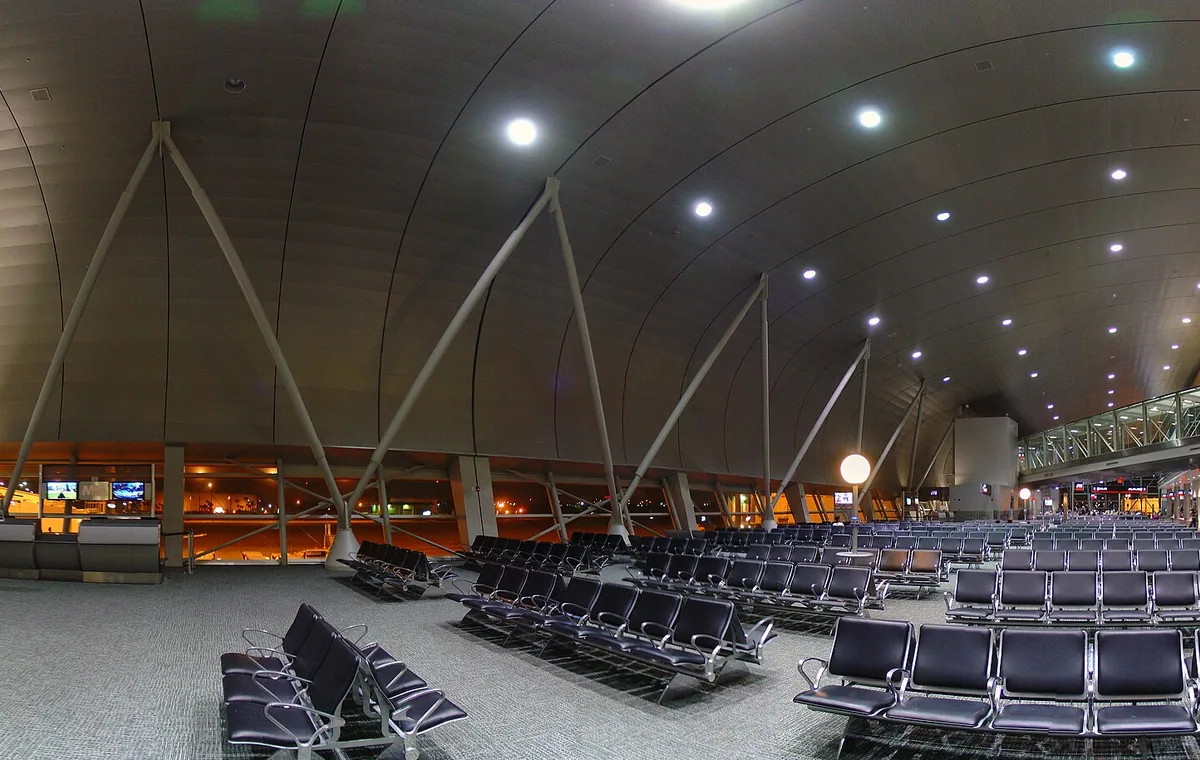
The trip will be remembered for its worst moment and its ending, not for the uneventful hour in the middle. That is the peak-end rule in one sentence, and it is a better caption for this Thanksgiving week than a list of slogans about gratitude. Security lines stretched past an hour in some airports. A storm moved the 100th Macy’s Thanksgiving Day Parade off Thursday.
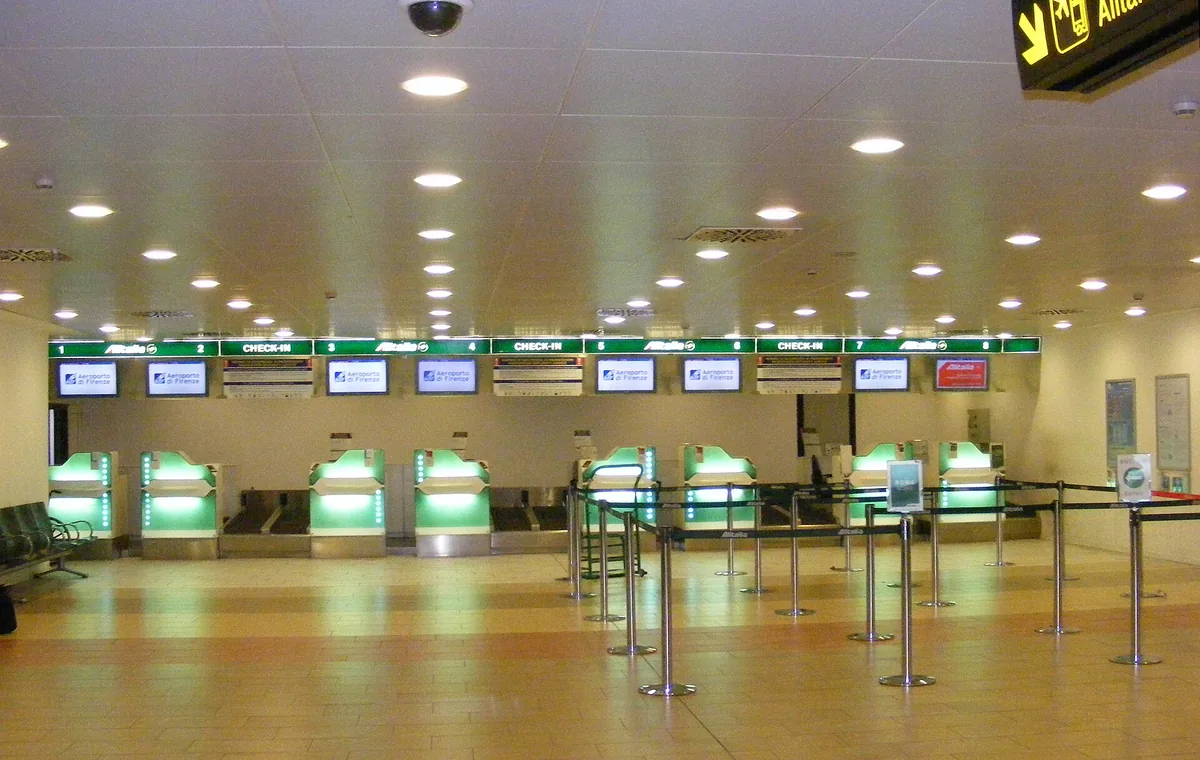
The Transportation Security Administration, in a November 24 press release, said it expected 17.6 million screenings from November 24 through 30, with the peak return on Sunday, November 29, at more than 3 million screenings. Local and national coverage, including the Associated Press, described waits that reached 81 minutes in Miami and long lines at JFK, while other hubs moved faster. On the parade, NPR reported that the 100th Macy’s Thanksgiving Day Parade was postponed from Thursday, November 26, to Saturday, November 28, at 8:30 a.m. Eastern, because of severe winds, rain and flooding risk in New York.
What Kahneman’s rule actually claims
The finding, associated with Daniel Kahneman and colleagues, is that remembered experience is not a fair average of every minute. People lean on the most intense point and on the end. A long, dull, painless stretch can almost vanish. A sharp peak, or a sour last moment, can stand in for the whole.
That is why it sits next to prospect theory and loss aversion: losses and peaks punch above their weight. It is also why the availability heuristic can hijack the next decision. The trip you remember is the one you will use, unfairly, to judge the next booking. The endowment effect is a cousin in a different register — we overvalue what we already have — but the holiday version is simpler: we overkeep the ending.

A postponed parade is a redesigned ending
For families who had Thursday plans, the postponement was a loss of a ritual. For the city, it was a safety decision about wind and balloons. For memory, Saturday can still become the ending that counts, if the morning is dry and the route holds. NPR’s later storm coverage also described trouble for travelers on both coasts. The week had more than one peak. Which one a person keeps will depend on how their own day closed.
Skimming the section headings first makes a long guide much easier to map out. Try writing down one question of your own as you read.
What you can still design in an ordinary trip
You cannot control a checkpoint. You can control the last hour you will actually remember: a buffer after landing, a car that has been checked before a long drive, a plan for the key and the bag. A moving and change-of-address checklist is the same idea in a larger form — the ending of a move is the part that stays. If you are driving, what to do first when the check-engine light comes on is a way to keep a mechanical peak from becoming the story of the whole holiday.
A fairer way to judge the week
If Sunday’s return screening is as heavy as TSA expects, the useful habit is to rate the trip in pieces, not as one spoiled object. The meal can have been good. The line can have been bad. The parade can have moved and still have been a parade. The peak-end rule describes how memory cheats. You do not have to let the cheat write the whole account.
FAQ
What is the peak-end rule?
A finding that remembered experience leans on the most intense moment and on the ending, rather than on a fair average of every minute.
How many Thanksgiving screenings did TSA expect?
17.6 million from November 24 through 30, 2026, with more than 3 million on Sunday, November 29, according to the agency’s November 24 release.
What happened to the Macy’s parade?
The 100th parade was postponed from Thursday, November 26, to Saturday, November 28, at 8:30 a.m. Eastern, because of severe winds, rain and flooding risk, as NPR reported.
Were all airports equally slow?
No. Coverage described waits of about 81 minutes in Miami and long lines at JFK, while some other hubs moved more quickly.
What can a traveler still control?
The ending you can design: a buffer after landing, a checked-out car, a plan for bags and keys, and a refusal to let one peak stand in for the whole trip.
Academic reference search
Can't find the reference you need? Try academic search for references now.
Featured Guides
- LawMy Scholarship Covers Rent Too. Wait, Could That Be Taxable?Scholarship or grant money covering housing and food, not just tuition? A student's plain…13 readers
- KoreaBubble Tea (Boba) Part-Time Jobs in Korea for Foreigners: Duties, Pay, Perks and Visa Rules (2026)Bubble tea and boba franchise alba for foreigners in Korea: station duties, pearl timing,…Quick Guide
- LawMy Dad Cosigned My Private Loan. Can I Take His Name Off?Want your parent removed as cosigner on a private student loan? A grad's plain guide to…Read by 10 people
- LawA Buyer "Accidentally" Overpaid for My Old Desk. Something Feels OffSelling stuff online and a buyer overpays then asks you to send the extra back? A student…Read by 13 people
- AutoDealer or Independent Mechanic? How to ChooseWhen the dealer makes sense, the FTC warranty rule, and how to vet any shop.14 readers