
Maslow at the Food Pantry: What the SNAP Cuts Do to the Bottom of the Pyramid
- NPR’s Thanksgiving reporting from New York’s North Country described pantry demand after SNAP losses, including a line of people turned away when food ran out.
- Maslow’s hierarchy is a reminder of order: food and safety first, belonging and growth after.
- A scarcity mindset helps explain why paperwork-heavy benefits fail even when a person is eligible on paper.
Contents
A stay-at-home mother of four told a reporter that food prices were “crazy.” Down the road, a pantry director said many of the new arrivals mentioned lost SNAP benefits. Those voices, in a November 24 NPR report from New York’s North Country, are not talking about self-actualization. They are talking about the bottom of a pyramid that American students still memorize in Psychology 101.
Abraham Maslow’s hierarchy of needs is easy to parody as a triangle on a slide. Used honestly, it is a reminder of order: when food and safety are unstable, the upper rungs — esteem, growth, the version of yourself you meant to become this year — wait. They do not disappear. They wait.
Maslow himself, sketched in the short page on Abraham Maslow, has been criticized for making development look like a staircase. The criticism is fair, and it is also beside the scene in Canton. You do not need a perfect theory to notice that a household skipping a meal is not, in that hour, working on self-actualization.
The lower rungs are not a lifestyle choice
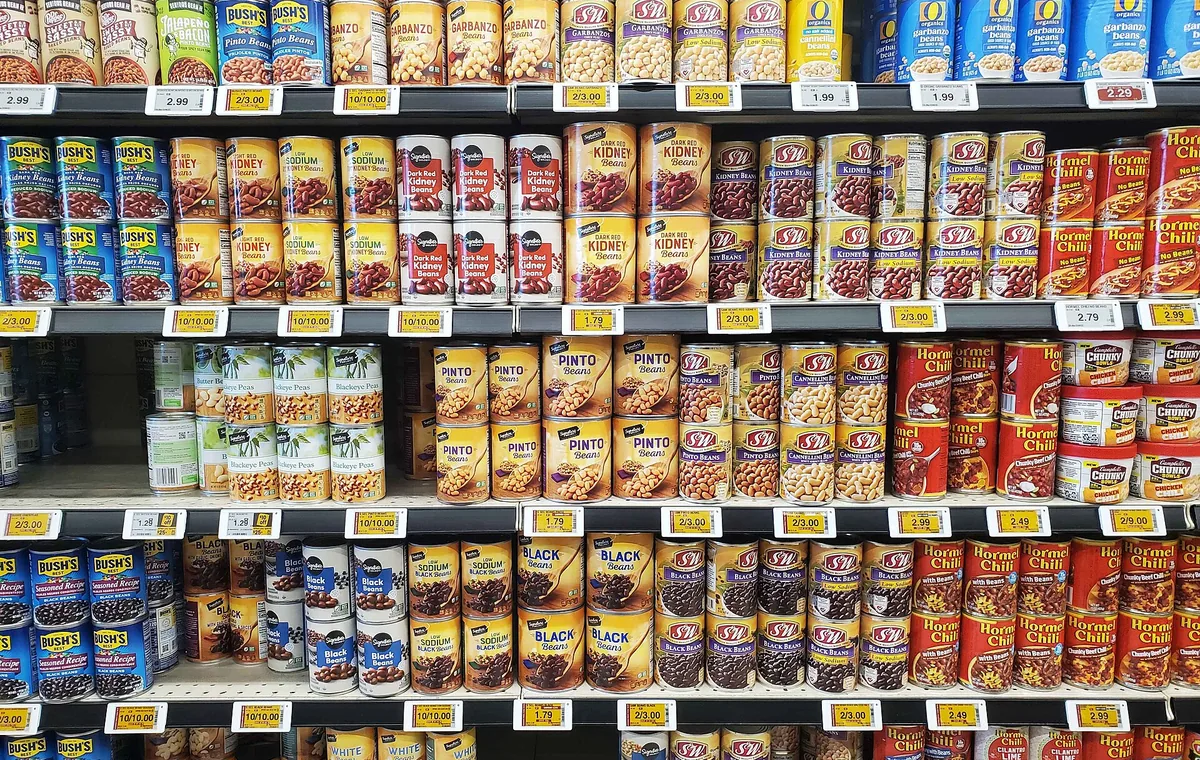
Physiological needs are food, water, sleep, warmth. Safety needs are a roof that holds, a body that is not under threat, a little predictability in the week. A separate NPR report the same week described families cutting back at the grocery store in order to keep up with other bills. That is a safety decision dressed up as a food decision.
The Urban Institute, cited by Vox, estimated that nearly one in four U.S. adults experienced food insecurity in 2025. CBPP estimates in the same account put SNAP’s enrollment drop at about 5.5 million people in the first year after the 2025 law. Those are not Maslow’s numbers. They are the current American numbers you would plug into his diagram.

Belonging and esteem get postponed, not cancelled
The middle of the hierarchy is social. Belonging is a table you are still invited to. Esteem is the chance to be seen as competent, not only as a person in need. Thanksgiving makes those rungs visible because the holiday is supposed to be about the table. When the table depends on a pantry, the social meaning of the meal is still there, and it is heavier.
Carl Rogers, whose person-centered theory grew out of the same broad humanistic period as Maslow, put the emphasis on being received without conditions. A pantry line is a poor substitute for that, and it is sometimes the only substitute in the room. The dignity problem is not separate from the food problem.
Skimming the section headings first makes a long guide much easier to map out. Try writing down one question of your own as you read.
Scarcity changes what a person can attend to
A scarcity mindset is what happens when the lower rungs occupy so much attention that planning gets worse, not better. That is one reason paperwork-heavy benefits can fail even when a person is, on paper, eligible. On November 19, Rep. Suzanne Bonamici introduced a bill to help people experiencing homelessness complete SNAP applications, including transportation to an office and help with deductions, according to her office. The bill is an attempt to meet people at the safety rung, not the self-actualization rung.
If you are trying to stabilize a household, two unglamorous pages are more useful than a poster of the pyramid: how to look for unclaimed money, and, for students, what to do if FAFSA selected you for verification. Benefits and aid are part of the safety layer. The forms are how you reach them.
What the hierarchy is still good for
Maslow did not design SNAP, and SNAP is not a proof of his theory. The hierarchy remains useful as a check on conversations that jump too quickly to motivation, gratitude, or grit. If the lower rungs are shaking, a speech about potential will sound like noise.
It is also a check on despair. The upper rungs are not cancelled by a hard month. They are postponed. The humane reading of the North Country reporting is not that people have no aspirations. It is that they are busy staying fed, and that the public argument ought to start there.
FAQ
What are the lower rungs of Maslow’s hierarchy?
Physiological needs (food, water, sleep, warmth) and safety needs (shelter, some predictability, freedom from immediate threat).
Does Maslow’s model mean people in hardship have no higher goals?
No. The claim is about order and attention, not about the absence of hope. Higher needs can be postponed by pressure on the lower ones.
What food-insecurity figure was cited for 2025?
The Urban Institute, as cited by Vox, estimated that nearly one in four U.S. adults experienced food insecurity in 2025.
How does this differ from a justice-theory reading of the same news?
A Rawls or Nozick reading asks what is owed and why. A Maslow reading asks which needs are under pressure first, and what that does to attention and planning.
What is a practical first step if a household’s food budget has collapsed?
Use local pantry hours, check whether SNAP or related benefits can be restarted, and look at other delayed money — unclaimed funds, student-aid verification, utility help — while the immediate food gap is covered.
Academic reference search
Can't find the reference you need? Try academic search for references now.
Featured Guides
- LawMy Buddy Asked Me to Cosign His Car Loan and I FrozeA friend or girlfriend asked you to cosign a car loan? A broke student's plain guide to…Read by 16 people
- RepairOld Two-Prong Outlets in Your Rental: Questions to AskMoved into a rental with old two-prong outlets? Learn what to ask your landlord, what to…35 readers
- KoreaBubble Tea (Boba) Part-Time Jobs in Korea for Foreigners: Duties, Pay, Perks and Visa Rules (2026)Bubble tea and boba franchise alba for foreigners in Korea: station duties, pearl timing,…Quick Guide
- LawMy Loan Servicer Lost My Payment and Now I'm "Late." Not OkayYour student loan servicer misapplied a payment, lost paperwork, or wrongly marked you…Read by 20 people
- LawA Buyer "Accidentally" Overpaid for My Old Desk. Something Feels OffSelling stuff online and a buyer overpays then asks you to send the extra back? A student…Read by 13 people