
How JYP Entertainment Stood Out: Motown-Style Sound, Targeted Fan Marketing, Team-Based Management and How It Differs from SM and YG
- JYP began in 1997 as Taehong Planning and became JYP Entertainment in 2001.
- Its signature is 1970s Motown soul and funk reworked with a modern feel.
- Unlike SM's systematic management and YG's hip-hop colour, JYP stresses close fan communication and varied experiments.
Contents
JYP Entertainment, the Korean agency founded by singer-songwriter J.Y. Park, stood out from its rivals SM and YG through a Motown-inspired sound, sharply targeted fan marketing and a team-first management style. Long before the company behind Twice and Stray Kids became a household name for American K-pop fans, it was a small production house with big ambitions. The case material analyses what made it different from four angles: music, marketing, management and rivals. Below we walk through each, adding the American and British context that makes the story easier to read from the West.
For students, the appeal of the case is that a creative company's identity can be traced back to one founder's taste, and then followed as it is turned into a repeatable business system.
How did JYP get started?
JYP began in 1997 under the name Taehong Planning and renamed itself JYP Entertainment in 2001. From there it produced artists who found fans at home and abroad and grew into one of Korea's "Big Three" agencies.
Student money tip from CampusDown Life UpHow to search official databases for unclaimed money in your name — free state and federal searches, and how to avoid paid finders and scams.
The source credits JYP with building its marketing strategy on a distinct musical character, which let it achieve results its rivals did not. The founder's taste and philosophy set the company's direction from day one, and that became the base for every strategy that followed. That is the core of the analysis.

What gives JYP its musical colour?
JYP's sound draws on 1970s Motown, reworking bluesy soul and funk with a modern feel. Because the founder wrote songs and produced records himself, that flavour flowed naturally into his artists' albums.
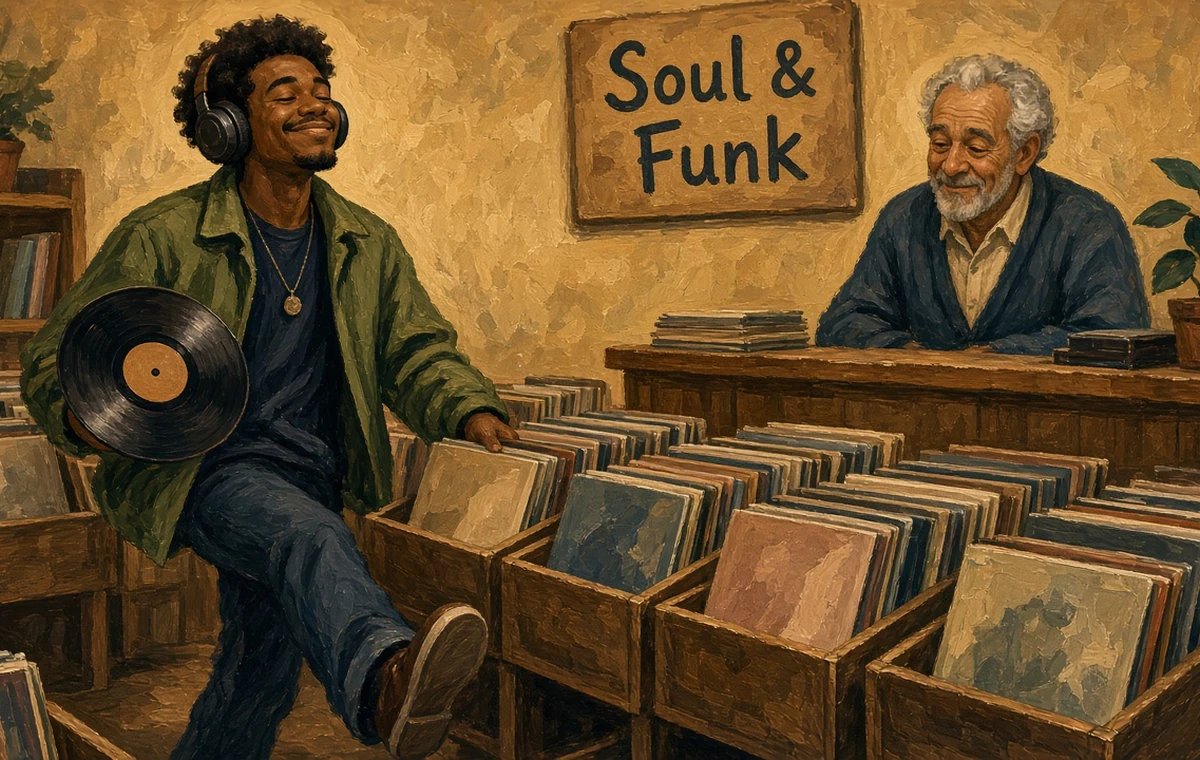
The Motown parallel
The comparison goes deeper than sound. Motown, founded by Berry Gordy in Detroit in 1959, ran a famous artist development department that coached performers in choreography, stagecraft and even etiquette before they faced the public. Many observers see that "hit factory" model as a distant ancestor of the K-pop trainee system. JYP borrowed both the groove and the idea that a label should shape the complete performer.
The company also launched each album with a fresh concept, building anticipation with every release. According to the source, this helped JYP set trends in the record market rather than follow them.
Skimming the section headings first makes a long guide much easier to map out. Try writing down one question of your own as you read.
How did JYP market to fans?
JYP defined its core audience clearly and made reality shows and content tailored to them, shrinking the distance between artists and fans. Twice, for example, was formed through the 2015 survival show Sixteen, so viewers had watched the members compete and grow before the group even debuted. That made the artists feel familiar and widened the fan base, a textbook use of the STP strategy.

JYP also used social media, including China's Weibo, to share artists' activities in real time, and rode the Korean Wave beyond Asia into the US. Its first American push came early: Wonder Girls' English version of "Nobody" entered the Billboard Hot 100 at No. 76 in 2009, the first time a K-pop group had charted there, although the campaign was costly. A decade later JYP returned with a different approach, partnering with Republic Records on the A2K audition project that produced the American girl group VCHA.
The common thread is that fans were treated not as mere buyers but as companions watching the artists grow. In marketing terms, this is segmentation, targeting and positioning at work: choose the audience, then position the artist so that audience feels the group belongs to them.
How is JYP different from SM and YG?
According to the source, SM's strengths are its systematic training and management system and its global reach, while YG is known for hip-hop-based music and charismatic artists.
| Item | JYP | SM | YG |
|---|---|---|---|
| Musical colour | Motown soul and funk updated for today, plus wide experimentation | Polished pop built by a large in-house system | Hip-hop roots and strong individual style |
| Signature strength | Close, friendly fan communication | Structured trainee development and global reach | Charismatic artists with a distinct edge |
| Marketing style | Targeted reality content and social media | Large-scale, systematic campaigns | Artist-centred image and attitude |
JYP is summed up as trying a wider range of music more flexibly and stressing intimacy with fans, which helped it reach a broader audience. Filling in one row for the main feature and one for differentiation strategy gives you the skeleton of a comparison essay.
A useful glossary for that essay: an all-round entertainment company develops singers and handles records and broadcasting; target marketing means choosing a specific audience and tailoring the strategy; a concept is the central image of an album; and a communication channel is a direct line to fans such as social media.
What can we learn from JYP's management style?
The source says JYP chose team-based management that respects staff opinions rather than leaving every call to the boss. Gathering many views led to better decisions and let the company pursue both mass appeal and individuality.
Student money tip on CampusDown Life Up: How to search official databases for unclaimed money in your name.
Later reforms pushed this further. In 2017 JYP introduced a multi-label system, splitting artists among separate in-house divisions with their own planning and marketing teams, and the founder's songs reportedly began competing alongside other writers' songs when title tracks were chosen. JYP later described its overseas plan as "globalisation by localisation," forming local groups such as NiziU in Japan with Sony Music. For British readers, the multi-label idea will sound familiar from the big record groups that run several labels with distinct identities under one roof.
If you use this case for an assignment, compare music, marketing and management one at a time against the rivals. Adding recent activity and financial results makes the analysis far more convincing. The globalisation and the Korean Wave framework is a good lens for the conclusion.
Source note: business assignment materials, summarised and reviewed by the CampusDown editorial team in October 2026.
FAQ
When was JYP Entertainment founded?
It started in 1997 as Taehong Planning and changed its name to JYP Entertainment in 2001.
What is distinctive about JYP's music?
It reworks 1970s Motown-style soul and funk with a modern sound, reflecting the founder's own taste as a songwriter and producer.
How is JYP different from SM and YG?
SM is known for systematic training and global reach, YG for hip-hop and charismatic artists, while JYP emphasises close fan communication and a wider range of musical experiments.
Was Wonder Girls the first K-pop group on the Billboard Hot 100?
Yes. The English version of Nobody entered the Hot 100 at No. 76 in 2009, the first time a K-pop group appeared on that chart.
What is JYP's multi-label system?
Introduced in 2017, it splits artists among separate in-house divisions with their own planning and marketing teams, reducing dependence on a single decision-maker.