
What Is the Integrated Approach in Social Work? Ecological Systems Case and Re-intervention
- The integrated approach combines casework, group work and community work so one person's problems can be tackled at several levels.
- The ecological systems perspective sees problems as a poor fit between person and environment, assessed with genograms and eco-maps.
- Re-intervention returns to assessment to find what the first plan missed rather than repeating it.
Contents
The integrated (generalist) approach to social work brings together the three traditional methods, casework, group work and community organisation, into one framework so that a person's difficulties can be addressed at the individual, family, group and community levels at the same time. Underneath it lies the ecological systems perspective, which treats people and their environments as one system in which each shapes the other. It also explains re-intervention: when an intervention does not work as hoped, the worker returns to assessment and intervenes again. This guide covers why the approach emerged, how the ecological view changes practice, a worked case and how to handle re-intervention.
Why did the integrated approach emerge?
For a long time social work developed as separate specialisms defined by who was helped and how. Casework dealt with individuals, group work with groups and community organisation with neighbourhoods. That division sharpened each method's theory and skills, but in real life one person's problems usually arrive tangled together: family conflict, money worries and a lack of local support all at once.
Student money tip from CampusDown Life UpHow to make a simple monthly budget with the free CFPB worksheet — take-home pay, bills by due date, three spending buckets and a weekly check-in.
Critics of the traditional methods made three main points. Interventions aimed at one problem struggled with complex situations; services split into narrow pieces left clients bouncing between agencies; and each method had its own language and theory, making it hard for social workers to share a common professional identity. From the 1960s and 1970s, especially in the United States, scholars tried to integrate the methods to overcome these limits.
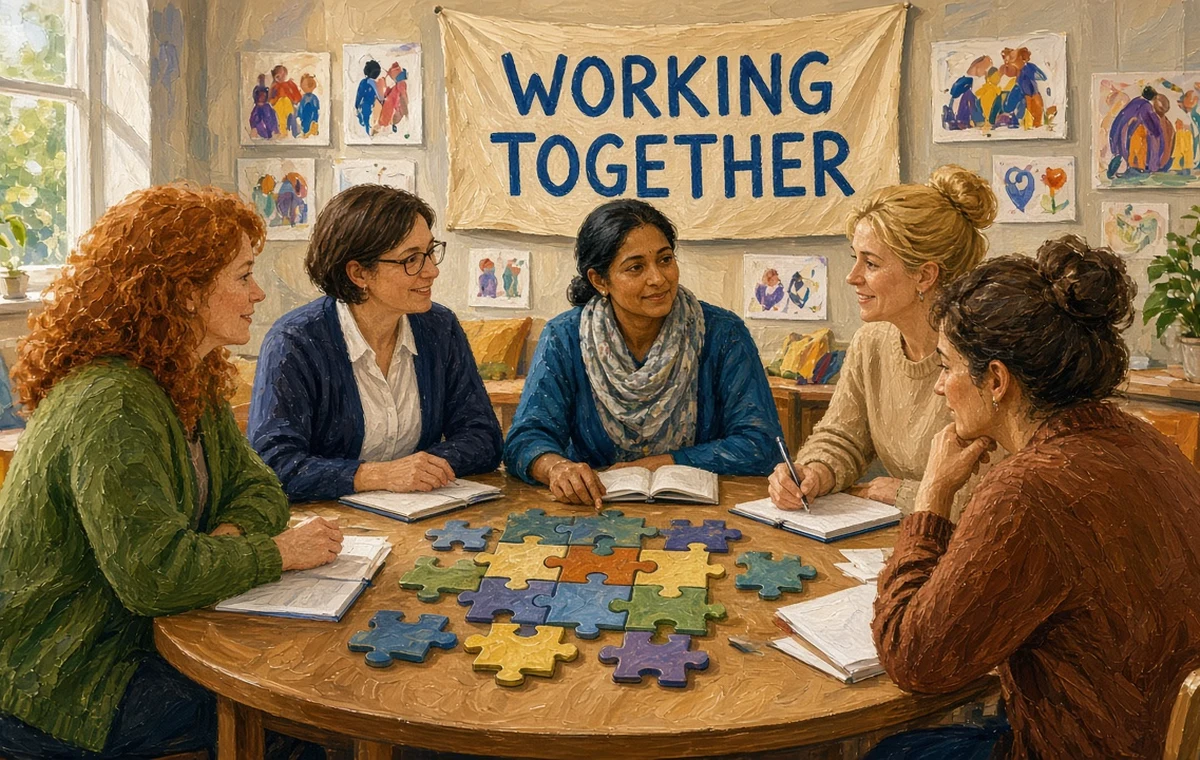
The integrated approach reversed the order of thinking. Instead of choosing a target and then a method, the worker first assesses the whole situation and then chooses the level and method of intervention that fit. This shift laid the groundwork for today's case management and multi-agency working.
The same logic runs through current UK practice. The Care Act 2014 places a duty on councils to promote an adult's wellbeing and to assess needs in the context of the person's whole life, while children's early help often brings school, health, housing and employment support into a single "team around the family". In the United States, accredited social work degrees are built around generalist practice, and the profession's code of ethics stresses the person-in-environment view.

How does the ecological systems perspective change intervention?
The ecological systems perspective combines ideas from general systems theory and ecology to focus on how people and environments interact. In Bronfenbrenner's ecological systems theory, set out in 1979, the micro-, meso-, exo- and macrosystems help a worker examine the layers around a person; he later added the chronosystem to capture change over time.
| Model | Core idea |
|---|---|
| Pincus and Minahan's four-systems model (1973) | Structures practice around the change agent, client, target and action systems |
| Compton and Galaway's six-systems model | Adds the professional system and the problem-identification system to the four |
| Germain and Gitterman's life model | Works on life stressors, coping and the fit between person and environment |
| Strengths perspective and empowerment | Focuses on the resources and capacities of clients and their environments rather than deficits |
From this angle a social worker does not see a problem as one person's defect but as a breakdown in the fit between person and environment. Intervention can therefore happen on several levels at once: individual change, adjusting family relationships, linking with school or work, connecting community resources and, where needed, pressing for changes in policy.
Skimming the section headings first makes a long guide much easier to map out. Try writing down one question of your own as you read.
How does the process unfold in a case?

Intervention under the integrated approach usually follows the stages of intake, data gathering and assessment, planning and contracting, intervention, evaluation and ending. During assessment the worker draws a genogram and an eco-map to show family structure and the family's links with outside systems, noting which systems are resources and which are sources of stress.
Imagine a family in which a father in his forties has become deeply low after losing his job, and his primary-school child has stopped going to school. Individual counselling alone could address the father's feelings but would leave the school and money problems untouched. An integrated plan might link the father with employment support, work with the school's pastoral or attendance staff to help the child return, and suggest a parents' peer-support group, moving several levels at once. This is a made-up example to illustrate the process.
| Level | System involved | Example action |
|---|---|---|
| Individual | Father | Supportive counselling and a referral for help with low mood |
| Family | Parents and child | Family sessions on routines and communication |
| Organisation | School, employment service | Attendance plan with the school; job-search support for the father |
| Community | Peer group, local services | Parents' support group and local activity links for the child |
Moving several systems together can produce ripple effects. When money worries ease, tension at home drops, and as home becomes calmer the child has more room to settle back into school.
When and how should you re-intervene?
Re-intervention means going back to assessment and revising the plan when evaluation shows that goals have not been met or new problems have appeared. It is better understood not as admitting failure but as looking again for systems or relationships the first assessment missed.
- Repeating the same plan. Doing more of an intervention that did not work can lower the client's motivation further. Find out what did not fit first.
- Trying to change only the client. If you see only a lack of personal effort, you miss barriers in the environment. Redrawing the eco-map often reveals new conflicts or broken links to resources.
- Having no evaluation criteria. If goals were not set in measurable form, it is hard even to tell whether re-intervention is needed.
Back to the family: suppose that at the three-month review the child is attending more often but the father's job search has stalled. Reassessment might reveal that he has been avoiding former colleagues and so has lost the network that used to bring him job leads. Rather than repeating referrals to employment services, the worker could shift the plan towards a group activity or peer mentoring with people who have been through similar experiences.
- Were the original goals recorded in measurable form?
- Did you redraw the eco-map and genogram at reassessment?
- Did you look for the client's strengths and any new resources?
- Did you agree the revised plan with the client again?
Treating these four questions as a routine check keeps re-intervention focused on learning from the first plan rather than simply trying harder.
How should you write up an ecological systems case assignment?
A clear order for a social work practice assignment is: why the integrated approach emerged, key concepts of the ecological systems perspective, the case and assessment (genogram and eco-map), the intervention plan and its delivery, evaluation and re-intervention, and a conclusion.
Student money tip on CampusDown Life Up: How to make a simple monthly budget with the free CFPB worksheet.
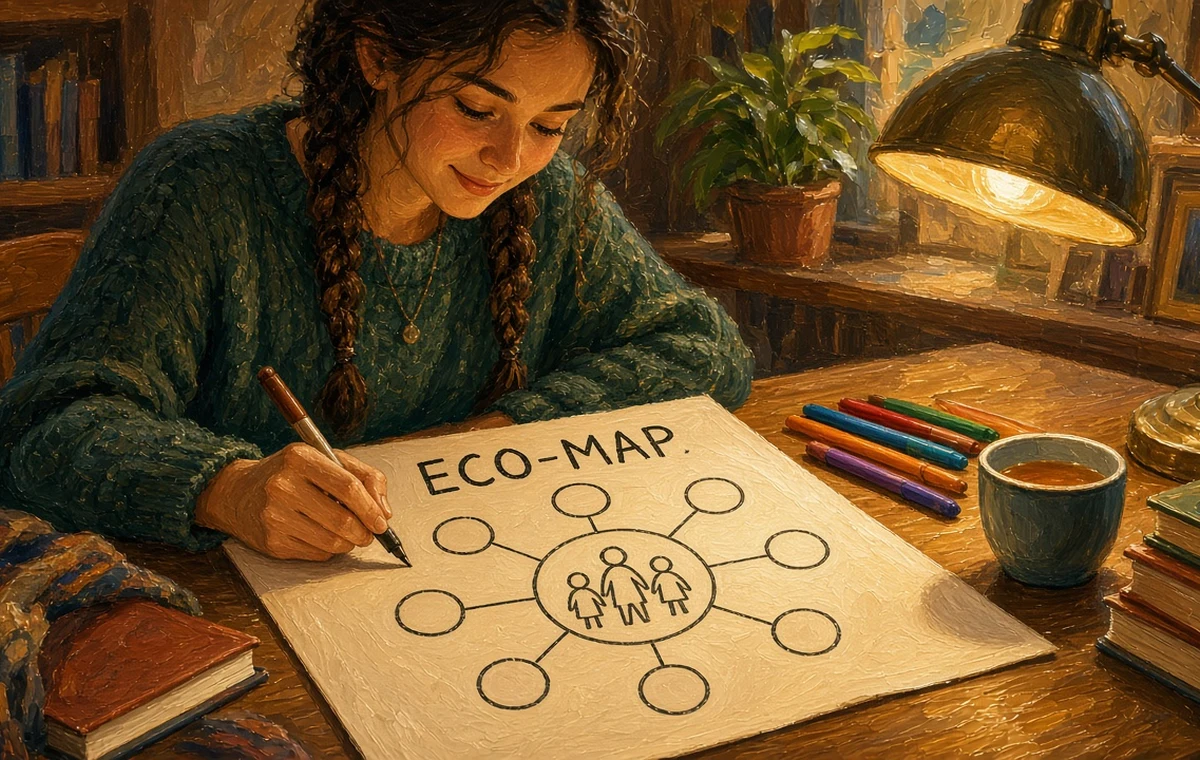
Attaching your own genogram and eco-map makes the assessment far more convincing. In the conclusion, note the strength of the integrated approach in helping us see problems as relationships between people and environments, and the challenge it brings: because it works across several systems at once, it depends on solid case management and real cooperation between agencies.
Compiled by the CampusDown editorial team from a Korean article on the integrated approach, ecological systems interventions and re-intervention, adapted with public information on the Care Act 2014, early help and "team around the family" practice in the UK, and generalist practice in US social work education. Sources: Allen Pincus and Anne Minahan, Social Work Practice: Model and Method (1973); Urie Bronfenbrenner, The Ecology of Human Development (1979); Carel Germain and Alex Gitterman's life model; standard social work practice textbooks. Reviewed November 2026. Real interventions should follow your agency's procedures and supervision.
FAQ
What is the integrated approach in social work?
It combines casework, group work and community organisation into one framework so that a person's difficulties can be addressed at individual, family, group and community levels together.
What are Pincus and Minahan's four systems?
The change agent system, the client system, the target system and the action system, set out in 1973.
How is the ecological systems perspective used in assessment?
Workers map the person's micro-, meso-, exo- and macrosystems, often with a genogram and an eco-map, to see which systems are resources and which cause stress.
What is re-intervention?
Returning to assessment and revising the plan when goals are not met or new problems appear, looking for systems or relationships the first assessment missed.
What is the most common mistake in re-intervention?
Repeating the same plan more intensively, or focusing only on the client's effort while ignoring barriers in the environment.