
The Economics of Nuclear Power: Generation Costs, Hidden Costs, Carbon Pricing and the Energy Transition
- Nuclear power has very high upfront costs and low running costs, so its price depends heavily on financing.
- Spent fuel, decommissioning and accident risk are costs that headline figures often leave out.
- Carbon pricing and system costs can tilt the comparison either way, which makes it an energy policy choice as much as an economic one.
Contents
- A cost structure dominated by capital
- What the levelised cost hides
- Lessons from recent European and US projects
- The hidden costs
- Carbon pricing and system costs
- Small modular reactors and storage
- Korea's 'energy island' and other national contexts
- Fairness between generations
- Who pays for the clean-up in Britain
- Changing how new plants are financed
- How to use the numbers in an essay
- A simple illustration of the discount-rate effect
- FAQ
Ask whether nuclear power is cheap and you will get two confident answers: yes, because the fuel costs almost nothing, and no, because new plants run years late and billions over budget. Both are partly right. The economics of nuclear power is a favourite essay topic in energy economics and environmental policy courses precisely because the answer depends on which costs you count and over what time horizon.
Student money tip from CampusDown Law UpComplaint Letter Templates: Pick the Right Letter for Your Problem — Free complaint letter templates in one place: hidden charges, billing errors, deposits, debt collectors, demand letters and small claims,…
A cost structure dominated by capital
Most of the lifetime cost of a reactor is spent before it produces a single kilowatt-hour: design, licensing, concrete, steel and years of construction interest. Once it runs, fuel and operating costs are low and stable. Gas plants are the mirror image, cheap to build but exposed to fuel price swings. That difference shapes everything that follows.

What the levelised cost hides
The levelised cost of electricity (LCOE) spreads all lifetime costs over all lifetime output. It is useful but sensitive to three assumptions.
- Discount rate. The higher the cost of capital, the more expensive anything with large upfront spending becomes. The IEA and NEA's 2020 Projected Costs of Generating Electricity showed new nuclear looking competitive at a 3% discount rate and much less so at 10%.
- Capacity factor. Reactors are built to run flat out; if they are often idle, the fixed cost per unit rises.
- Lifetime. Extending a plant to 60 years or more spreads the capital over far more output, which is why running existing reactors longer is among the cheapest low-carbon options.
Skimming the section headings first makes a long guide much easier to map out. Try writing down one question of your own as you read.
Lessons from recent European and US projects
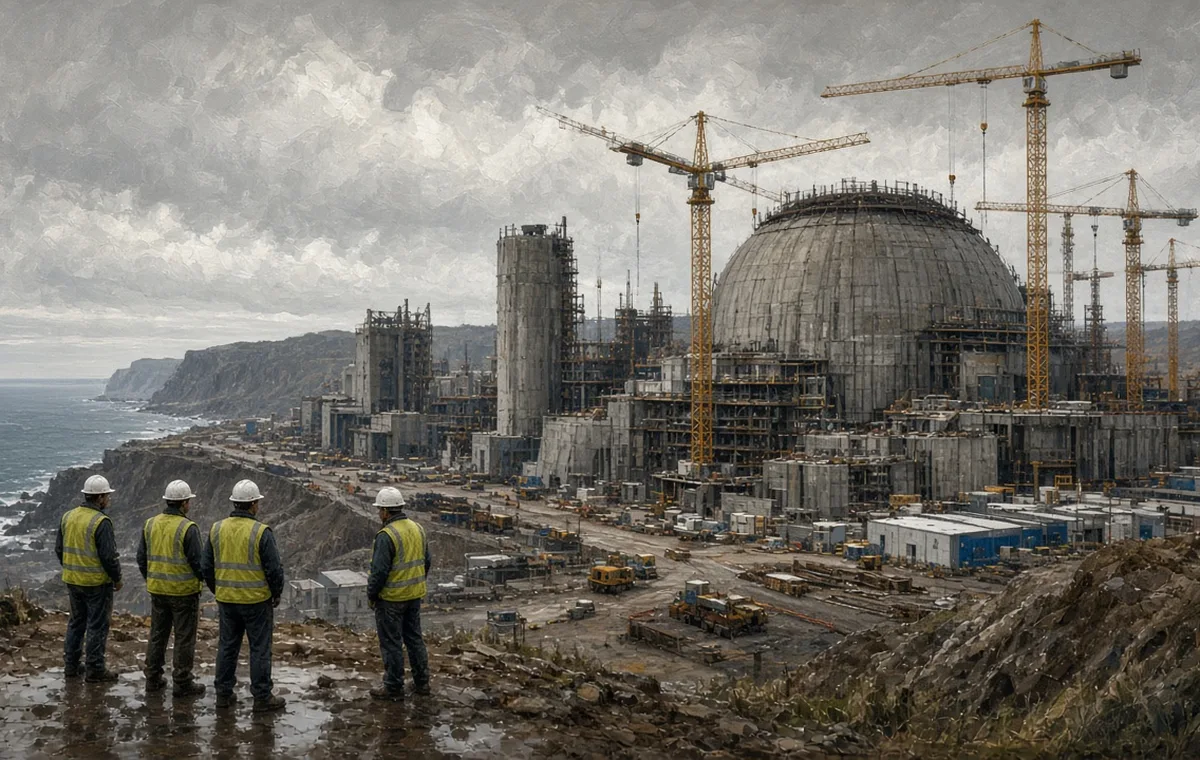
Hinkley Point C in Somerset is the UK's test case. To attract investment, the government agreed a contract for difference with a strike price of £92.50 per MWh in 2012 prices, index-linked for 35 years, and the project has since faced repeated delays and rising costs. Finland's Olkiluoto 3, whose construction began in 2005, only reached regular production in 2023, more than a decade behind schedule. In the US, Vogtle units 3 and 4 in Georgia entered service in 2023 and 2024, years late and far over budget. These first-of-a-kind problems are a big reason financing costs for new nuclear stay high.
The hidden costs
Three cost items rarely appear in a headline price. Spent fuel must be stored and eventually disposed of; Finland's Onkalo repository shows a deep geological solution is possible, but few countries have one. Decommissioning takes decades and must be funded in advance. Accident risk is low in probability but enormous in consequence, and its full cost is hard to insure privately. How you treat money already committed is also a trap: past spending is a sunk cost and should not, on its own, justify finishing a project.
Carbon pricing and system costs
A carbon price, such as the UK Emissions Trading Scheme, raises the cost of fossil generation and improves nuclear's relative position, since reactors emit very little carbon in operation. That ties nuclear directly to carbon neutrality targets.
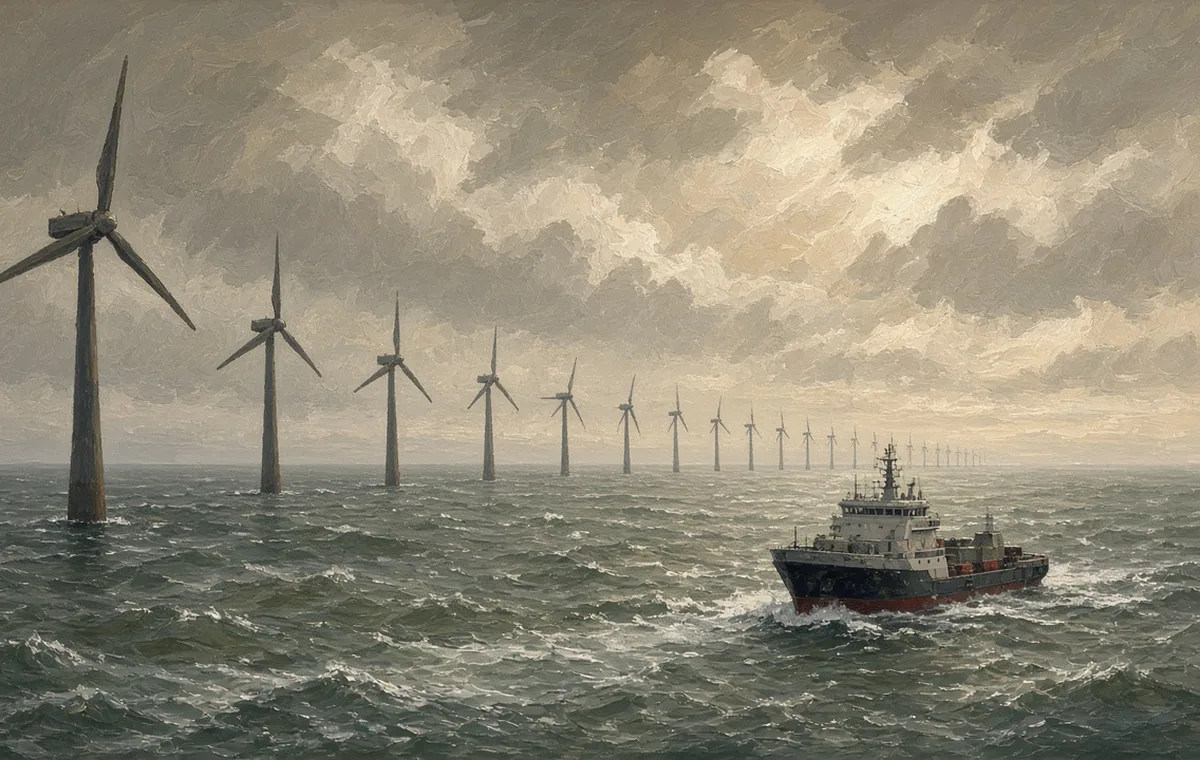
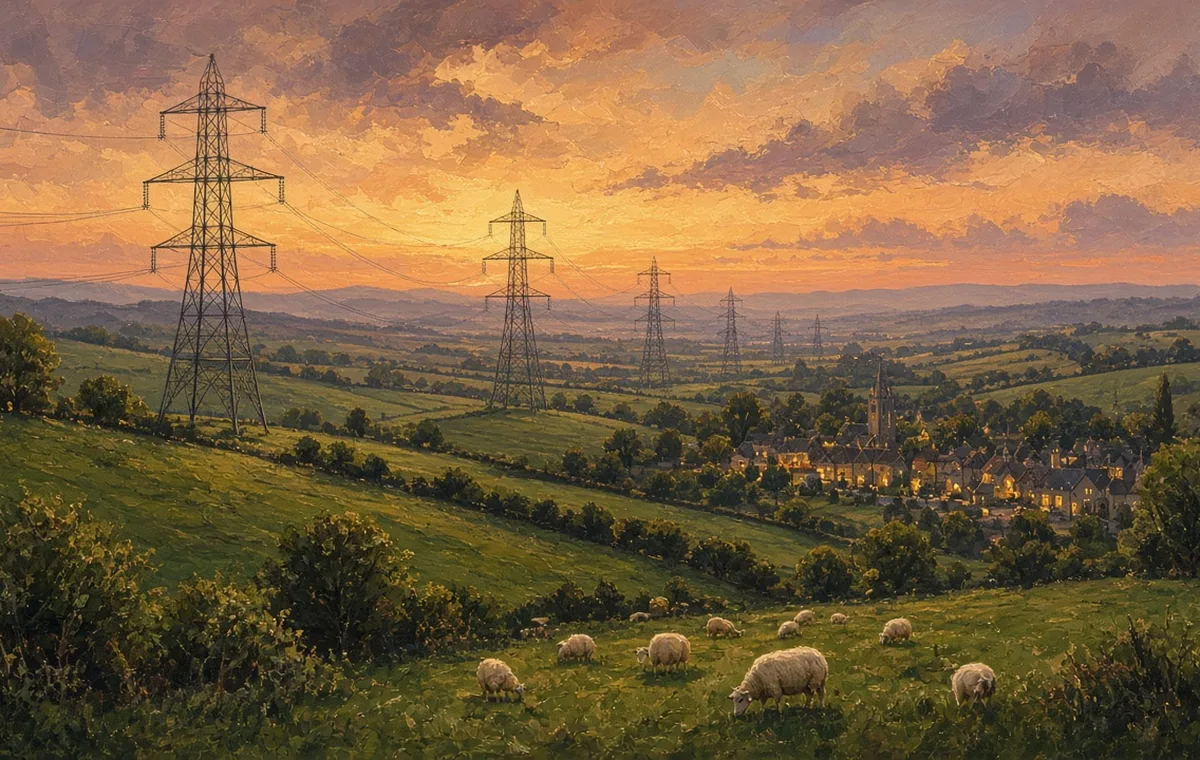
System costs push in more than one direction. Wind and solar are now cheap per unit, but their output varies, so the grid needs storage, backup and more transmission. Nuclear provides steady output but is less flexible and comes in very large, lumpy units.
Small modular reactors and storage
Small modular reactors promise factory-built units that are quicker to deliver and easier to finance. Whether they reach low costs depends on building enough of them to learn from repetition. Meanwhile, cheaper batteries and better interconnection are reducing the system cost of renewables. A good essay treats both as uncertain rather than assuming either will win.
Korea's 'energy island' and other national contexts
The original Korean case for nuclear rests on geography: with no power links to neighbouring countries, South Korea is an energy island and must balance its grid alone. Britain, by contrast, has interconnectors to Norway, France and others. Comparing the two shows why identical cost data can lead to different policy choices.
| Source | Upfront cost | Running cost | Carbon in operation | Flexibility |
|---|---|---|---|---|
| Nuclear | Very high | Low | Very low | Limited |
| Gas | Low | High, volatile | Medium | High |
| Wind and solar | Medium | Very low | Very low | Variable output |
Fairness between generations
Nuclear choices also raise a question of intergenerational equity. Today's consumers enjoy the electricity, while future generations inherit waste management and decommissioning. Climate change creates the opposite burden for fossil fuels. Ending your essay on how each option distributes costs across time is a strong way to move from accounting to policy.
CampusDown's energy economics notes use the same structure: cost structure, sensitivity, hidden costs, carbon and system effects, then policy.
Who pays for the clean-up in Britain
The UK offers a vivid example of decommissioning costs. The Nuclear Decommissioning Authority, set up in 2005, is responsible for cleaning up the country's earliest nuclear sites, with Sellafield in Cumbria the largest and most complex. Much of that legacy was built before anyone priced long-term waste management properly, which is why taxpayers now carry most of the bill. It is a strong illustration for an essay: costs left out of the original economics did not disappear, they were simply passed to later generations.
Changing how new plants are financed
Because financing costs dominate, governments have experimented with ways to make capital cheaper. Hinkley Point C used a contract for difference, which guarantees a price per unit of electricity once the plant runs, leaving construction risk with the developer. For Sizewell C, the Nuclear Energy (Financing) Act 2022 introduced a regulated asset base model, under which consumers can start contributing during construction in return for a lower overall cost of capital. Comparing the two models is a good way to show that the 'cost of nuclear' depends partly on policy design, not just engineering.
How to use the numbers in an essay
Avoid quoting a single LCOE figure as if it settled the question. Instead, state the assumptions behind it, show how the ranking changes when the discount rate or capacity factor changes, and then add what the figure leaves out: waste, decommissioning, accident risk and system costs. Markers reward essays that treat cost estimates as arguments to be examined rather than facts to be repeated.
A simple illustration of the discount-rate effect
Take a hypothetical 1 GW reactor that costs £10 billion to build, runs at a 90% capacity factor and operates for 60 years. It produces about 7.9 TWh a year. If the capital is repaid at a 3% interest rate, the annual capital charge is roughly £361 million, or about £46 per MWh. At 10%, the same plant carries an annual charge of about £1 billion, or roughly £127 per MWh. Nothing about the reactor has changed; only the cost of money has, and the capital share of each unit of electricity has nearly tripled. Fuel and operating costs then come on top.
Student money tip on CampusDown Law Up: Complaint Letter Templates: Pick the Right Letter for Your Problem.
Working through a stylised example like this, with the assumptions stated clearly, is often the most convincing paragraph in an economics essay, because it shows the mechanism behind the headline figures rather than simply quoting them.
Reviewed by the CampusDown editorial team, November 2026. Sources: IEA and OECD NEA, Projected Costs of Generating Electricity (2020); UK Government, Hinkley Point C contract for difference (2013); Teollisuuden Voima, Olkiluoto 3 project information; Georgia Power, Vogtle 3 and 4 announcements.
FAQ
Why do estimates of nuclear costs vary so much?
Because most of the cost is paid before the plant runs, the assumed discount rate, construction time, capacity factor and lifetime change the result dramatically.
What is the strike price at Hinkley Point C?
£92.50 per MWh in 2012 prices, index-linked, under a 35-year contract for difference.
Does a carbon price help nuclear?
Yes. It raises the cost of coal and gas generation, while nuclear emits very little carbon in operation.
What are system costs?
Extra costs for the grid as a whole, such as backup, storage and transmission, that depend on how a technology fits with the rest of the system.