
Bronfenbrenner’s Map of Childhood, and the Social Media Lawsuits Schools Are Joining This Month
- New Haven sued major social media companies on November 20; Kansas City Public Schools soon after explored joining similar litigation.
- NPR reported on November 18 about Meta’s effort to use schools to reach teen Instagram users.
- Bronfenbrenner’s nested systems — micro, meso, exo — are a way to read those headlines without reducing a childhood to a single app.
Contents
On November 20, the city of New Haven sued Meta and other major social media companies, saying their products had harmed students’ mental health. Three days later, Kansas City Public Schools authorized lawyers to look at joining the same kind of case. The filings are legal documents, not child-development textbooks. They still describe a child’s life the way Urie Bronfenbrenner asked us to: not as a single screen, but as a set of nested rooms.
Bronfenbrenner’s ecological systems theory is one of the most-visited English wiki pages here, and it is having an unusually concrete month. A microsystem is the close setting — home, classroom, peer group. A mesosystem is the traffic between those settings: what a parent hears from a teacher, what a student carries from a group chat into first period. An exosystem is a place the child may never sit, but which still reaches them: a school board, a platform’s design team, a district legal office.
On November 18, NPR reported on how Meta used schools to try to boost teen Instagram use. On November 20, the New Haven Register described the city’s suit against Meta and other companies. On November 23, The Beacon reported that Kansas City Public Schools was exploring a similar step. A 2023 surgeon general’s advisory is often cited in these cases; the new fact, this month, is that more school systems are still moving into court.
Start with the microsystem, not the press release
It is easy to talk about “social media” as if it were weather. Bronfenbrenner’s habit was more stubborn. He wanted to know who is actually in the room with the child, and what those people can see.
A group chat can be a peer microsystem with no adult in it. If harassment starts there, it does not stay there. It follows the student into class, then home. A short, practical walk-through of what to do if you are being harassed in a class group chat is not a theory paper, but it is a map of that crossing.
The same is true when an account is taken over. The humiliation is public, the recovery is logistical, and the student’s other settings — family, school, friends — all get pulled in. There is a plain guide for when an Instagram account has been hacked.

The mesosystem is the messy middle
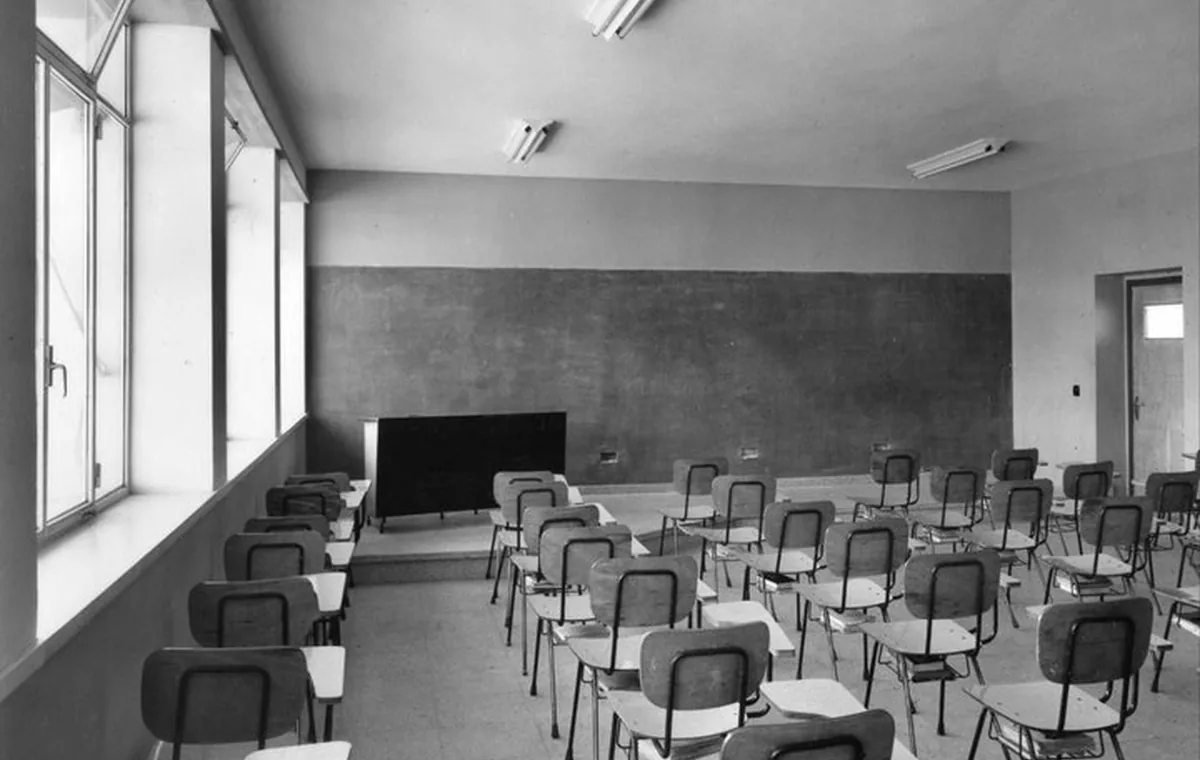
Mesosystems fail in boring ways. A teacher sees a student shut down and never hears about the comments that landed at midnight. A parent sees grades slip and assumes laziness. The school sees attendance and not the notification count.
That is why family-systems language sits next to this theory. Family systems theory looks at rules and patterns inside a household. Child development theories offer other maps of the same years. Bronfenbrenner’s contribution was to insist that development is not only inside the child, and not only inside the family. The links between settings do work, or they fail to.
Skimming the section headings first makes a long guide much easier to map out. Try writing down one question of your own as you read.
Exosystems: designers and boards the child never meets
An exosystem is easy to miss because the child is not seated at the table. A platform’s engagement design is an exosystem. So is a district policy committee. So is a lawsuit.
Portland Public Schools, in a separate November debate reported by KATU on November 17, has been working through generative AI policy after an earlier pause. That fight is about a different technology, but the shape is familiar: adults in rooms students do not enter are deciding what tools will sit in the microsystem tomorrow.
Bronfenbrenner also wrote about the macrosystem — the broad culture of values and economics — and the chronosystem, the time in which a childhood is lived. A student who is 14 in 2026 has never known a school year without a feed. That is not an excuse, and it is not a sentence. It is a time stamp.
Where the ecological model of harm already pointed
Child-welfare research got to a similar place years ago. The ecological model of child maltreatment associated with Jay Belsky treats harm as something that can be stacked: a child, a family, a neighborhood, a set of services, a set of stressors. You do not have to collapse every Instagram fight into maltreatment to see the method. Look at more than one layer before you name a single cause.
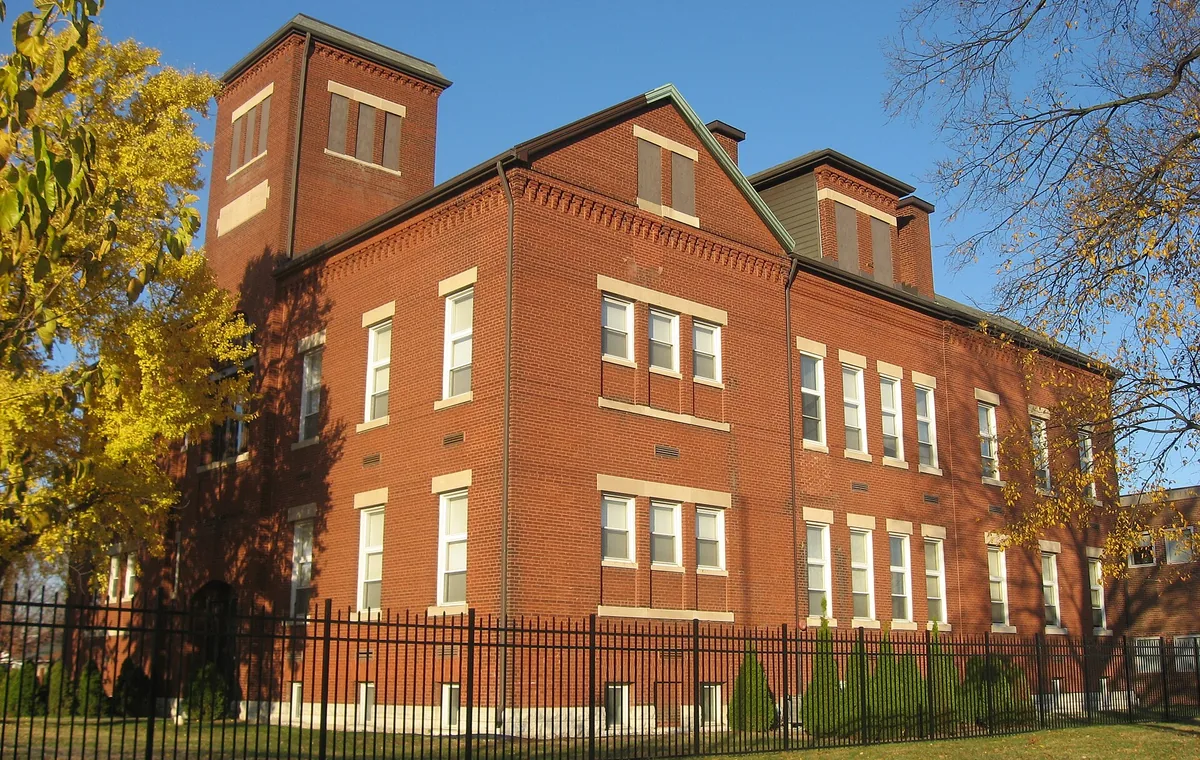
A lawsuit is one way a school system tries to reach an exosystem it cannot otherwise touch. It is a slow instrument. It will not quiet a group chat tonight. The theory’s use, for a parent or a teacher reading the headlines, is more immediate: ask which layer you actually have a hand on, and which layer you are only shouting at.
A smaller question than “is social media bad?”
Bronfenbrenner is often flattened into a textbook diagram of concentric circles. The live use is a set of questions. Who is with this student in the close settings? What information moves between home and school? Which distant decisions — a recommendation algorithm, a district phone policy, a lawsuit — are already inside the day?
New Haven’s filing and Kansas City’s exploration of one will take years to resolve, and a court in another state has already dismissed some district claims. The theory does not predict the docket. It does keep you from pretending the only thing that matters is willpower in a child’s hand.
FAQ
What happened in New Haven on November 20, 2026?
The city filed a lawsuit against Meta and other major social media companies, alleging harm to students’ mental health, as reported by the New Haven Register.
What is a microsystem in Bronfenbrenner’s theory?
A close, immediate setting in which a child participates — a home, a classroom, a peer group, or, now, a group chat that functions as one.
What is an exosystem?
A setting the child may not enter, but which still affects them: a parent’s workplace, a school board, a platform’s design team, or a courthouse.
Does an ecological view mean parents have no role?
No. It means a parent is one layer, and that other layers — peers, school, platform design, policy — are also in play. Blame that stops at one layer is usually too small.
Is this the same as saying social media is the cause of a crisis?
No. The theory is a way to locate influences. Whether a particular platform caused a particular harm is a legal and empirical question the lawsuits will have to argue.
Academic reference search
Can't find the reference you need? Try academic search for references now.
Featured Guides
- LawMy Loan Servicer Lost My Payment and Now I'm "Late." Not OkayYour student loan servicer misapplied a payment, lost paperwork, or wrongly marked you…Read by 20 people
- RepairThe Wallpaper in My Rental Is Peeling at the SeamsWallpaper seams lifting in your rental? iFixit's simple fix: lift gently, clean, thin…14 readers
- KoreaBubble Tea (Boba) Part-Time Jobs in Korea for Foreigners: Duties, Pay, Perks and Visa Rules (2026)Bubble tea and boba franchise alba for foreigners in Korea: station duties, pearl timing,…Quick Guide
- LawMy Buddy Asked Me to Cosign His Car Loan and I FrozeA friend or girlfriend asked you to cosign a car loan? A broke student's plain guide to…Read by 16 people
- LawMy Scholarship Covers Rent Too. Wait, Could That Be Taxable?Scholarship or grant money covering housing and food, not just tuition? A student's plain…13 readers