
Why Belly Fat Matters: How Visceral Fat Drives Insulin Resistance and Metabolic Syndrome
- Metabolic syndrome is a cluster of abdominal obesity, high blood sugar, abnormal blood fats and high blood pressure.
- Visceral fat releases fatty acids that make muscles use less glucose and the liver release more, deepening insulin resistance.
- US ATP III criteria, the NHS Health Check and diabetes prevention programmes all aim to catch it while it is reversible.
Contents
Belly fat matters because fat stored deep around the organs releases fatty acids that make the body resist insulin, and that insulin resistance is the common thread tying together high blood sugar, high triglycerides, high blood pressure and a bigger waistline in metabolic syndrome. This guide explains why doctors call it a syndrome, how visceral fat disrupts metabolism, and how the United States and the United Kingdom screen for it and help people turn it around.
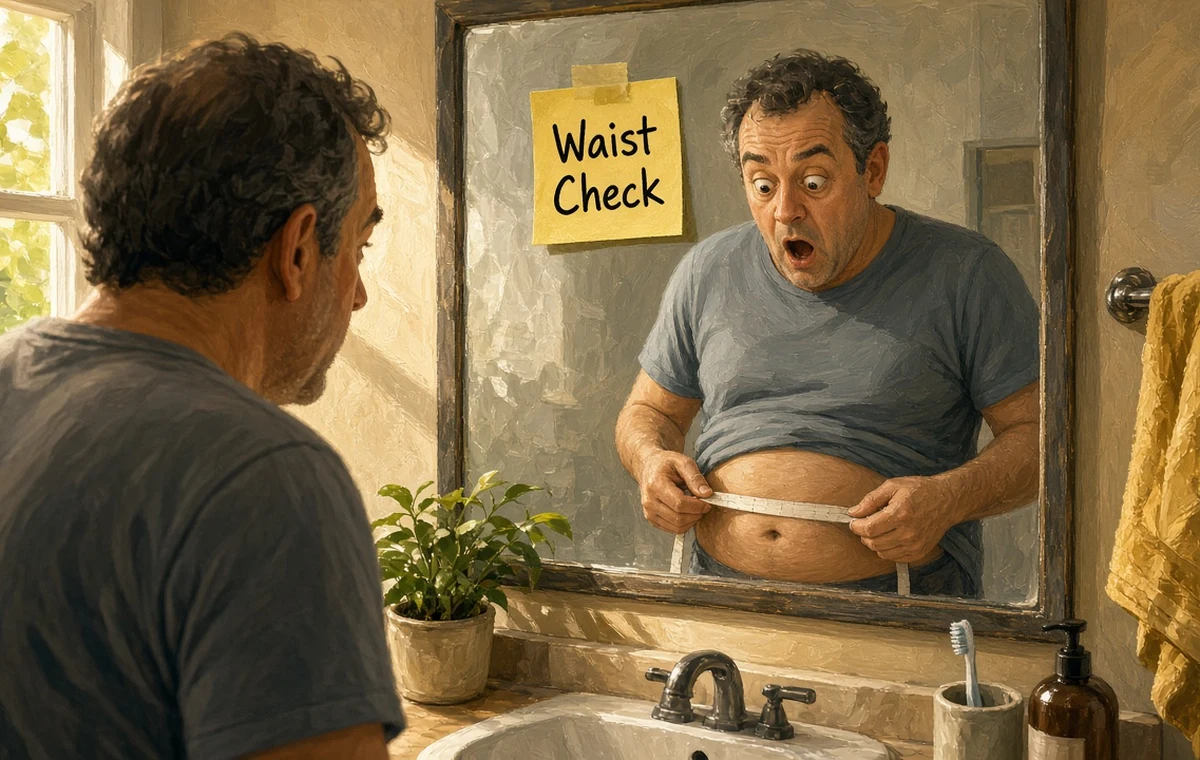
Plenty of people with a normal weight on the scale still carry a lot of fat around the middle. That is why clinicians increasingly reach for the tape measure: where fat sits can matter as much as how much there is.
Why is metabolic syndrome called a syndrome?
A disease usually has one clear cause, while a syndrome is a cluster of findings that tend to appear together and may have several causes. Metabolic syndrome fits that description: abdominal obesity, raised blood sugar, raised triglycerides, low HDL cholesterol and high blood pressure keep turning up in the same people.
Student money tip from CampusDown Law UpPet Fee vs Pet Deposit: What Renters Get Back — Pet fee, pet deposit, pet rent: they are not the same thing.
In 1988 the endocrinologist Gerald Reaven proposed that insulin resistance sits at the centre of this cluster, calling it Syndrome X in a now-famous lecture. Since then the idea has become a standard way of explaining why the risks of heart disease and type 2 diabetes rise together.

What causes insulin resistance?
According to the source, the main drivers are heavy drinking, regular overeating, abdominal obesity from too little physical activity, and genetic background. Insulin is the hormone that tells cells to take sugar out of the blood, and when cells stop listening properly, the pancreas has to pump out more and more insulin to keep blood sugar in check.
For a while this extra effort works, which is why insulin resistance can go unnoticed for years. Eventually, though, the system tires, blood sugar starts to creep up, and the knock-on effects spread to fats in the blood and to blood vessels.
Skimming the section headings first makes a long guide much easier to map out. Try writing down one question of your own as you read.
How does visceral fat make it worse?
Fat stored deep inside the abdomen, known as visceral fat, is more metabolically active than fat under the skin. It releases free fatty acids that travel straight to the liver and also reach the muscles, upsetting how both organs handle glucose.
| Step | What happens | Result |
|---|---|---|
| 1. Fat release | Visceral fat releases fatty acids into the blood | More fatty acids reach the liver and muscles |
| 2. Muscles | Muscles use less glucose | Sugar stays in the bloodstream |
| 3. Liver | The liver releases more glucose | Blood sugar rises further |
| 4. Vicious circle | The pancreas works harder | Insulin resistance deepens |
This is why trimming the waistline, even without dramatic weight loss, often improves blood sugar readings. Shrinking visceral fat cuts off part of the supply that keeps the vicious circle turning.
What happens to blood fats and blood vessels?
Insulin resistance typically produces a particular pattern of blood fats: high triglycerides, low protective HDL cholesterol and more small, dense LDL particles. Those small particles slip into artery walls more easily, speeding up atherosclerosis, the narrowing and hardening of arteries.
At the same time, persistently high blood sugar can progress to type 2 diabetes. Put together, the source explains, metabolic syndrome sharply raises the risk of cardiovascular disease and diabetes, which is why catching it early is worth the effort.
How do the US and UK screen for metabolic syndrome?
In the United States, a widely used definition comes from the National Cholesterol Education Program's Adult Treatment Panel III, which counts a waist above 40 inches for men or 35 inches for women as one of the criteria. The CDC estimates that more than one in three American adults has prediabetes, and most do not know it. Its National Diabetes Prevention Program offers year-long lifestyle coaching based on the landmark Diabetes Prevention Program trial, which found that modest weight loss and regular activity cut the risk of developing diabetes substantially.
The UK approach: half your height and a five-yearly check
In England, adults aged 40 to 74 without existing heart disease or diabetes are invited to an NHS Health Check every five years, which looks at blood pressure, cholesterol and diabetes risk. NICE guidance encourages people to keep their waist to less than half their height, a simple rule that works across body sizes, and the NHS Diabetes Prevention Programme, also known as Healthier You, refers people with raised blood sugar to free lifestyle support.

| Item | United States | United Kingdom |
|---|---|---|
| Waist yardstick | ATP III: over 40 in (men), 35 in (women) | NICE: waist less than half your height |
| Routine check | Through primary care and insurance-covered screening | NHS Health Check every five years, ages 40 to 74 |
| Prevention programme | CDC National Diabetes Prevention Program | NHS Diabetes Prevention Programme (Healthier You) |
Both systems share the same logic as the source: spot the warning signs while they are still reversible, then focus on everyday habits rather than waiting for a diagnosis of diabetes or heart disease.
What actually helps reduce belly fat and insulin resistance?
The levers are refreshingly unglamorous: cutting back on alcohol, eating smaller portions with fewer sugary drinks and refined snacks, moving more every day and building some muscle. Muscles are the biggest consumers of blood sugar, so even a brisk daily walk helps them respond to insulin again. For the science behind the hormone, see our entry on insulin resistance, and for the full set of diagnostic criteria, read metabolic syndrome.
Student money tip on CampusDown Law Up: Pet Fee vs Pet Deposit: What Renters Get Back.
Genes cannot be changed, but they are not destiny either. People with a family history simply have more reason to measure their waist, know their numbers and start early.
Reviewed by the CampusDown editorial team, November 2026. Reference: Reaven, G. M. (1988). Role of insulin resistance in human disease. Diabetes, 37(12), 1595-1607.
FAQ
What waist size is a warning sign in the US?
Under the widely used ATP III criteria, a waist over 40 inches for men or 35 inches for women counts towards metabolic syndrome.
What is the half-your-height rule?
NICE guidance in the UK suggests keeping your waist measurement to less than half your height to lower health risks.
Who gets an NHS Health Check?
In England, adults aged 40 to 74 without existing heart disease, diabetes or certain other conditions are invited every five years.
Can insulin resistance be reversed?
It can often improve substantially with weight loss around the waist, regular activity, less alcohol and better eating habits.
Why is visceral fat more harmful than fat under the skin?
It is more metabolically active and sends fatty acids straight to the liver, disrupting blood sugar and blood fat control.